A day trip from Hong Kong to Shenzhen can look simple on a map, but the border is where a relaxed itinerary can become a long wait. This Shenzhen visa guide helps you choose the right entry document before you book trains, private transport, hotels, or attractions. The best option depends on your passport, how long you plan to stay, where else you will travel in mainland China, and whether you need to return to Hong Kong afterward.
For most international visitors, arranging the correct visa before departure is the most comfortable choice. A limited Shenzhen visa on arrival can work for some travelers, but it is not a universal shortcut and should not be treated as a guaranteed backup plan.
Shenzhen Visa Guide: Start With Your Travel Plan
Shenzhen is part of mainland China, with immigration rules that are separate from Hong Kong. Entering Hong Kong does not give you permission to enter Shenzhen, even if you are arriving from the same airport or using the same passport.
Before deciding on a visa route, map out the full journey. A traveler visiting Shenzhen for one day and returning to Hong Kong has different needs from a family continuing to Guangzhou, a cruise guest arriving in Hong Kong, or a business traveler making several mainland China visits during one trip.
Your nationality is the first consideration. China has visa-free arrangements and special transit policies for certain passport holders, but eligibility, permitted activities, entry points, and maximum stay periods can change. Always confirm the current rules for your passport through the relevant Chinese visa authority before finalizing nonrefundable arrangements.
The next question is geographic scope. If your plans include Guangzhou, Zhuhai, Beijing, Shanghai, or any destination beyond Shenzhen, a Shenzhen-only entry permit will not be enough. In that situation, a regular mainland China visa is usually the practical route.
A Regular China Visa Offers the Most Flexibility
For travelers who want certainty, a standard Chinese tourist visa is generally the clearest option. Depending on your nationality and application history, the visa may be issued for one, two, or multiple entries. The number of entries matters greatly if your itinerary moves between Hong Kong and mainland China more than once.
For example, you may travel from Hong Kong to Shenzhen, return to Hong Kong for a hotel stay, then continue to Guangzhou. A single-entry visa may cover only the first mainland China entry. A multiple-entry visa can be more suitable for a multi-city route, provided its validity dates and conditions cover your trip.
Applications are generally made before travel through the Chinese embassy, consulate, or designated visa application center serving your place of residence. Requirements vary, but travelers are commonly asked for a passport with sufficient remaining validity, blank visa pages, a completed application form, a recent photo, and documents supporting their travel plans. Hotel confirmations, a flight itinerary, or an invitation letter may be requested depending on the application type.
Apply early rather than treating the visa as a last-minute task. Processing times, appointment availability, and document requirements can vary, especially before major holidays. A visa in your passport before you leave home gives you more flexibility to choose a border crossing, adjust your day trip, or add another mainland city without changing your entry strategy.
The 5-Day Shenzhen Visa on Arrival
Some eligible foreign passport holders may be able to apply for a Shenzhen Special Economic Zone tourist visa upon arrival at selected border crossings. This option is often called the Shenzhen visa on arrival or the five-day Shenzhen visa.
It can be useful for a short, spontaneous visit focused entirely on Shenzhen. Travelers may use it for sightseeing, shopping, dining, and selected short stays within the city. However, it comes with meaningful limits.
The permit is generally valid only for Shenzhen. It does not normally allow onward travel to Guangzhou or other parts of mainland China. It is also not the same as a regular Chinese visa, and it does not replace your separate right to enter or re-enter Hong Kong.
Eligibility is not identical for every nationality. Border facilities may apply different screening procedures, and the visa can be unavailable due to operational changes, policy updates, holidays, or an individual immigration decision. Fees and documentation requirements can also change. Travelers should confirm availability with the appropriate official authority before relying on this route.
Choose Your Crossing Carefully
Not every Hong Kong-Shenzhen crossing offers the same visa services. Luohu, Huanggang, and Shekou are among the border points commonly associated with Shenzhen visa-on-arrival facilities, but operating arrangements should be checked close to your travel date.
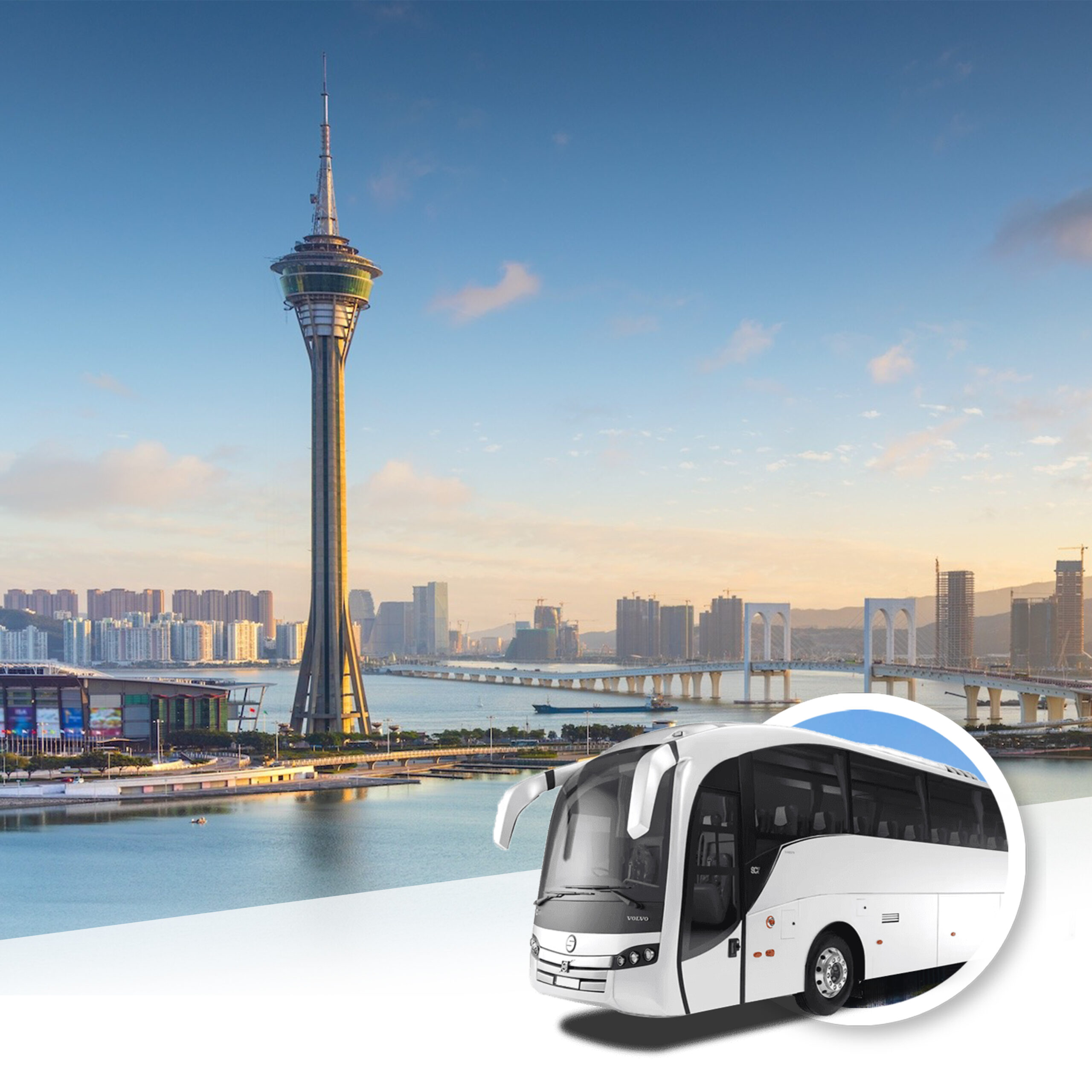
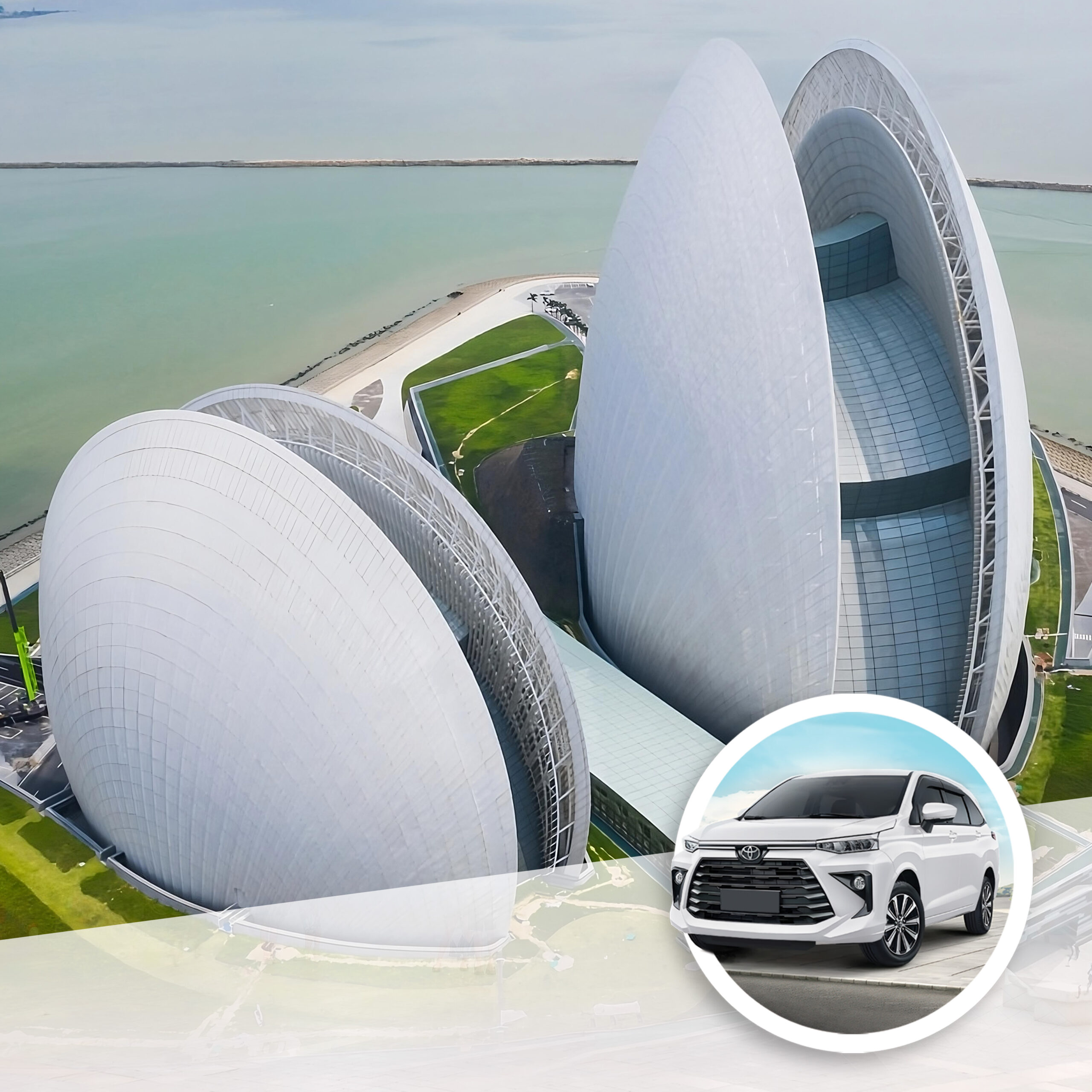
This matters when selecting transportation. The East Rail route to Lo Wu is popular for independent travelers, while private cross-border transportation may use road checkpoints based on your hotel location, group size, traffic conditions, and itinerary. If you need to apply for a permit on arrival, make sure your planned crossing can support that process before confirming a vehicle or train schedule.
A private transfer can make the journey more comfortable, particularly for families with luggage, senior travelers, or groups on a tight sightseeing schedule. It does not, however, replace the need for valid personal travel documents. Every traveler must clear immigration individually.
Plan for Your Return to Hong Kong
Many visitors focus on entering Shenzhen and forget to check the return journey. Hong Kong manages its own immigration system. Your ability to return depends on the entry conditions for your nationality, the number of permitted entries, and whether you still meet the requirements for admission.
If you entered Hong Kong under a visa-free visitor stay, retain the arrival information and make sure your passport remains valid for the full trip. If you hold a Hong Kong visa or a specific entry permit, confirm whether it allows re-entry after visiting mainland China.
This is especially relevant for travelers combining Hong Kong, Macau, Shenzhen, and Guangzhou. Each border crossing takes time, and each jurisdiction has its own rules. A carefully planned route prevents the uncomfortable surprise of having the right document for one border but not the next.
Documents to Prepare Before Leaving Hong Kong
Keep essential documents together in a small, easy-to-reach travel folder rather than packing them at the bottom of a suitcase. Before departure, carry the following:
- Your original passport, valid for the period required by the issuing authority
- Your valid China visa or confirmation that you qualify for a Shenzhen entry permit
- Hotel address and contact details in Shenzhen, preferably saved in English and Chinese
- Return transportation details and your Hong Kong hotel information
- Travel details for children, including any consent documents that may be needed when one parent is not traveling
It is also wise to save screenshots of bookings and key addresses on your phone. Internet access can change after crossing the border, and a printed copy remains useful if your battery runs low or a booking email cannot be opened quickly.
Build Extra Time Into a Shenzhen Day Trip
Border waiting times are not fixed. Weekends, public holidays, school breaks, major trade events, and evening return peaks can all extend the process. A crossing that takes less than an hour on a quiet weekday may take much longer at a busy period.
For a day trip, avoid scheduling a restaurant reservation, museum entry, or high-speed rail connection immediately after your planned arrival time. Give your itinerary room to breathe. This is particularly valuable for cruise passengers and travelers with airport transfers, where one delayed border crossing can affect the entire day.
Families and private groups often benefit from a door-to-door plan that connects the border crossing with a realistic sightseeing route. A private driver and local guide can reduce navigation stress once you are through immigration, while still allowing time for places such as Dafen Oil Painting Village, OCT Loft, Shenzhen Bay, or a customized food-focused itinerary.
When a Shenzhen Visa on Arrival Is Not the Right Choice
A pre-arranged regular China visa is the safer choice if you plan to travel beyond Shenzhen, have a passport with uncertain eligibility, arrive late in the day, need a guaranteed schedule, or are traveling for activities outside normal tourism. It is also preferable when your group includes travelers with different passports, since eligibility may vary from person to person.
For travelers who value comfort and predictability, border preparation is part of the travel experience, not a formality to leave until arrival. MyHKTour can help organize private cross-border transportation and a Shenzhen itinerary around your confirmed entry plans, so your time is spent enjoying the city rather than rearranging logistics at the checkpoint.
Shenzhen rewards travelers who arrive ready to move. Confirm your entry route early, keep your documents close, and leave enough time at the border to begin the day feeling curious rather than rushed.