You do not need another list that sends you to the same tram ride, skyline photo point, and souvenir street as everyone else. A useful hong kong hidden gems guide should help you spend your time better – with fewer crowds, smoother logistics, and places that still feel personal once you arrive.
That matters even more in a city where a great day can be undone by cross-harbor traffic, a poorly timed ferry, or an overpacked itinerary. The best lesser-known places in Hong Kong are not always remote. Often, they are simply the spots that reward better planning, local context, and enough flexibility to enjoy the area instead of rushing through it.
What a good Hong Kong hidden gems guide should actually do
For most visitors, hidden gems are not about secrecy. They are about fit. A peaceful fishing village, a heritage neighborhood, or a local food district only feels special if it matches the kind of trip you want.
Families often want places with room to breathe and simple transfers. Couples may care more about atmosphere and photo timing. Cruise passengers and business travelers usually need efficient routing because half a day disappears quickly in transit. That is why lesser-known Hong Kong works best when you plan by experience, not by social media hype.
There is also a trade-off worth stating clearly. Some hidden gems feel hidden because they take longer to reach or have fewer direct transport options. If you are trying to cover several districts in one day, the smartest choice may be one meaningful detour rather than four scattered stops.
Neighborhoods that feel local without being difficult
Sai Ying Pun is one of the easiest places to recommend when travelers want a more lived-in side of the city. You still get historic character, old shopfronts, and strong food options, but without the same intensity as Central. Walk uphill and the mood changes quickly – dried seafood stores, neighborhood cafes, temples, and stair-step streets create a more textured view of urban Hong Kong.
The appeal here is convenience. It fits well into a half-day route on Hong Kong Island and works for travelers who want local atmosphere without a complicated transfer. If your priority is a polished luxury experience, you may treat it as a short stop. If you enjoy urban character and food, it can easily anchor an afternoon.
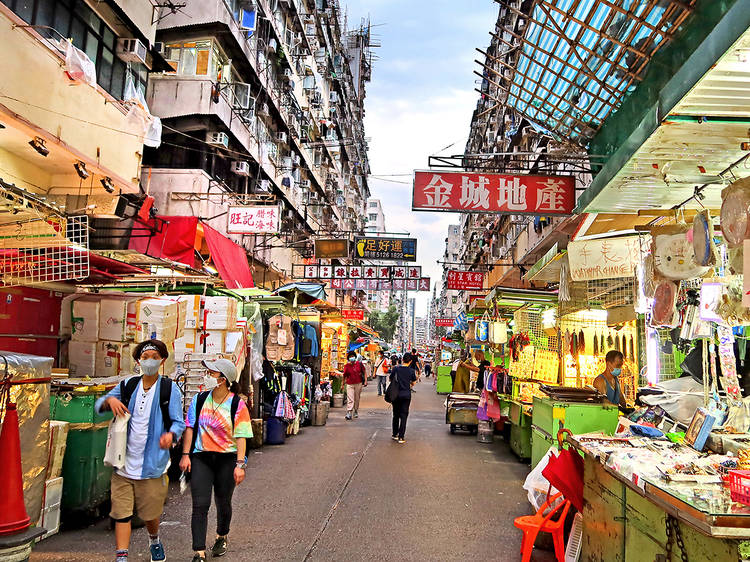
Sham Shui Po offers a different kind of reward. It is busier, less curated, and more practical in feel, which is exactly why many repeat visitors like it. This is where you notice daily life – old apartment blocks, market rhythm, fabric shops, hardware stalls, and some of the city’s best casual eating.
It is not the district for everyone. If you prefer manicured sightseeing, it may feel rough around the edges. But if you want texture, value, and excellent local food, it gives you a side of Hong Kong that polished tourism often misses.
Cultural stops that stay with you longer
A lot of travelers head straight for major temples and heritage attractions, then wonder why the visit feels rushed. Smaller cultural stops often create a stronger memory because you can take them at a slower pace.
Tai O is a good example. Yes, it is better known now than it once was, but it still earns its place in a serious hong kong hidden gems guide because it offers something many visitors do not expect from Hong Kong at all. Stilt houses, waterways, seafood traditions, and a quieter tempo make it feel far removed from the city center.
The trade-off is time. Getting there and enjoying it properly usually means giving the area several hours, especially if you pair it with Lantau sights. Done well, it becomes a cultural day rather than a checklist stop.
Peng Chau is another strong choice for travelers who want an island experience without the heavier visitor flow of the better-known options. The pace is gentle, the waterfront is low-key, and the small streets invite wandering instead of route-chasing. It is especially good for visitors who value calm over spectacle.
If your trip is short, island logistics may not be ideal. But if you have a full day and want something softer and less commercial, it can be one of the most refreshing parts of your schedule.
Scenic places where the timing matters
Some places are underrated not because nobody knows them, but because most people arrive at the wrong hour. Timing changes the entire experience in Hong Kong.
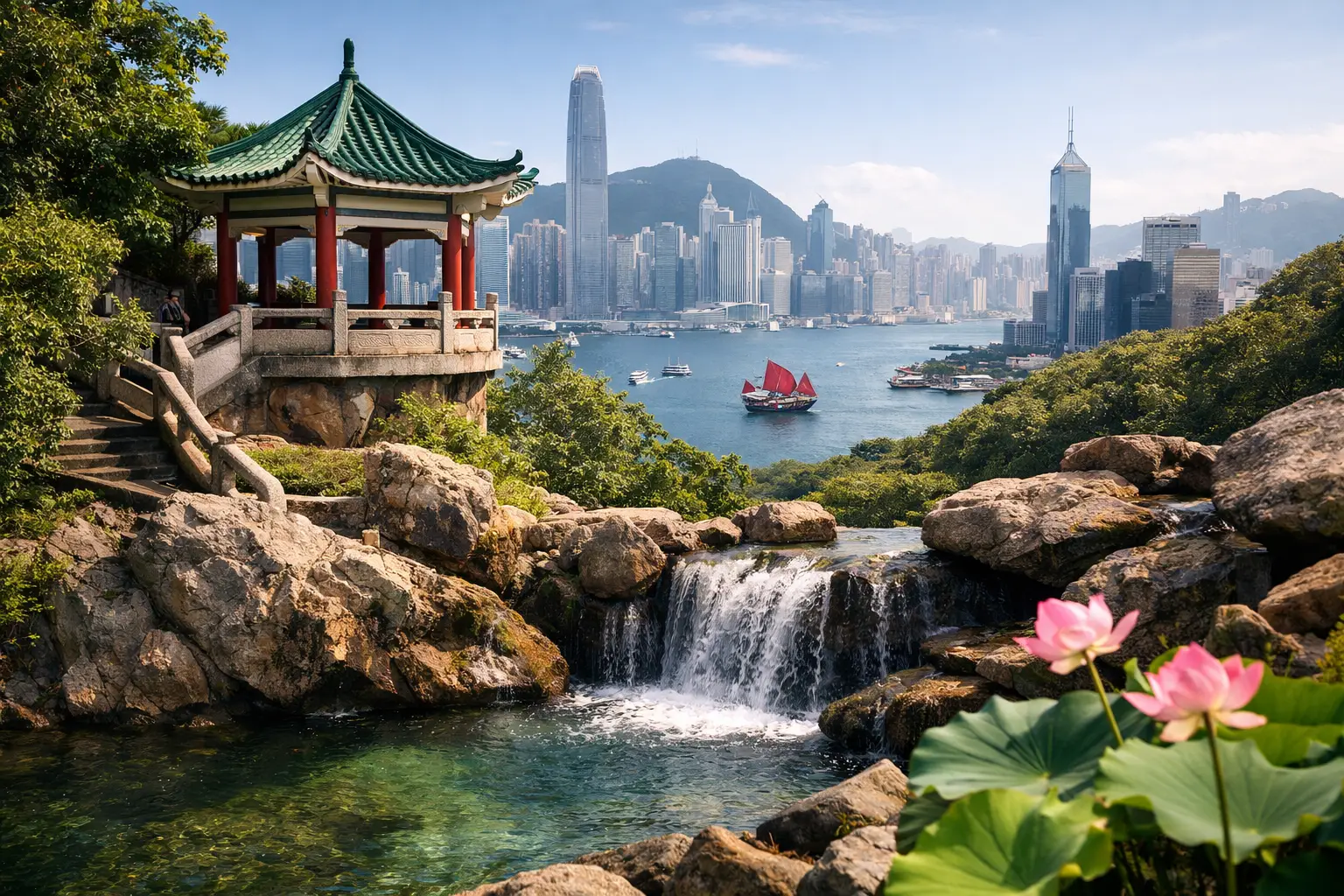
The Peak Garden area, for example, can feel much quieter than the main Peak viewing zone. Visitors often cluster around the obvious lookout, then leave. A short shift in direction gives you greenery, walking paths, and a less hurried atmosphere. It suits travelers who want classic views without spending the whole visit shoulder to shoulder with other tourists.
Quarry Bay’s monster-building photography spots get attention online, but nearby streets and harborfront areas can be more enjoyable in practice. If your goal is photography, arrive with a clear plan and realistic expectations. If your goal is simply to enjoy the east side of the island, broaden the route beyond one famous courtyard and you will usually have a better time.
For sunset seekers, Braemar Hill can be a smart pick over more obvious options. It gives you elevation, city views, and a more local feel. The catch is access. It is not difficult for active travelers, but it is less straightforward for visitors with strollers, limited mobility, or a tight evening schedule.
Food areas that deliver more than one viral stop
When people ask for hidden food gems, they often mean one famous noodle shop. In practice, the stronger move is choosing an area where multiple good options sit close together.
Jordan and parts of Kowloon City work well for this. Jordan gives you range – cha chaan teng staples, clay pot rice in season, local dessert shops, and late-night energy. Kowloon City is especially rewarding for travelers who want a neighborhood meal experience rather than a single destination dish. The area reflects layers of local and regional food culture and is often easier to enjoy when someone has already narrowed the choices.
This is where planning helps more than people expect. Great local food districts can be overwhelming if you are trying to judge quality on the spot, dealing with language friction, or traveling with a mixed group that includes kids, older parents, or dietary needs. Muslim-friendly travelers, in particular, benefit from a curated approach because the right route saves time and avoids guesswork.
How to build your own route without wasting a day
The biggest mistake visitors make with lesser-known places is spreading them too far apart. A smart hidden-gems day needs geography, pacing, and comfort to work together.
Start with one anchor. That could be a cultural area like Tai O, a neighborhood food district like Sham Shui Po, or a scenic zone on the island side. Then add only two or three nearby experiences that naturally fit the route. If every stop requires a major transfer, the day stops feeling premium very quickly.
Transport style matters too. Public transit is excellent in Hong Kong, but excellent does not always mean ideal for every traveler. Families with young children, older relatives, luggage between hotels, or travelers connecting to Macau or the airport often benefit more from private routing because it removes the constant decision-making between stops.
That is especially true if you want hidden gems and not just major landmarks. Lesser-known places often become much easier to enjoy when the journey between them is direct, the day is paced around your group, and someone local has already filtered what is worth the time.
When private planning makes the biggest difference
Not every trip needs a private guide or vehicle. If you are staying several days, enjoy transit systems, and do not mind adjusting on the fly, self-planning can work well for one or two neighborhoods.
But if your time is limited, your group has specific interests, or you want to combine comfort with local access, private planning usually pays off. The value is not only transportation. It is sequencing. It is knowing whether a fishing village works better in the morning, whether a food district should come before or after a harbor stop, and whether adding one more island transfer will improve the day or just exhaust everyone.
That is where a service-led local operator like MyHKTour fits naturally. For travelers who want hidden gems without trial-and-error logistics, customized routing can turn a scattered wish list into a calm, well-paced experience.
A good trip to Hong Kong does not need to feel busy to feel full. The places you remember most are often the ones where you had enough time, enough context, and a comfortable way to get there.