A great shopping day in Hong Kong can easily start with hunting down a bargain tee in the street markets of Sham Shui Po and end with a luxury watch fitting in Central—all without feeling forced or overly planned. That is the true magic behind this Hong Kong shopping guide: from budget to luxury.
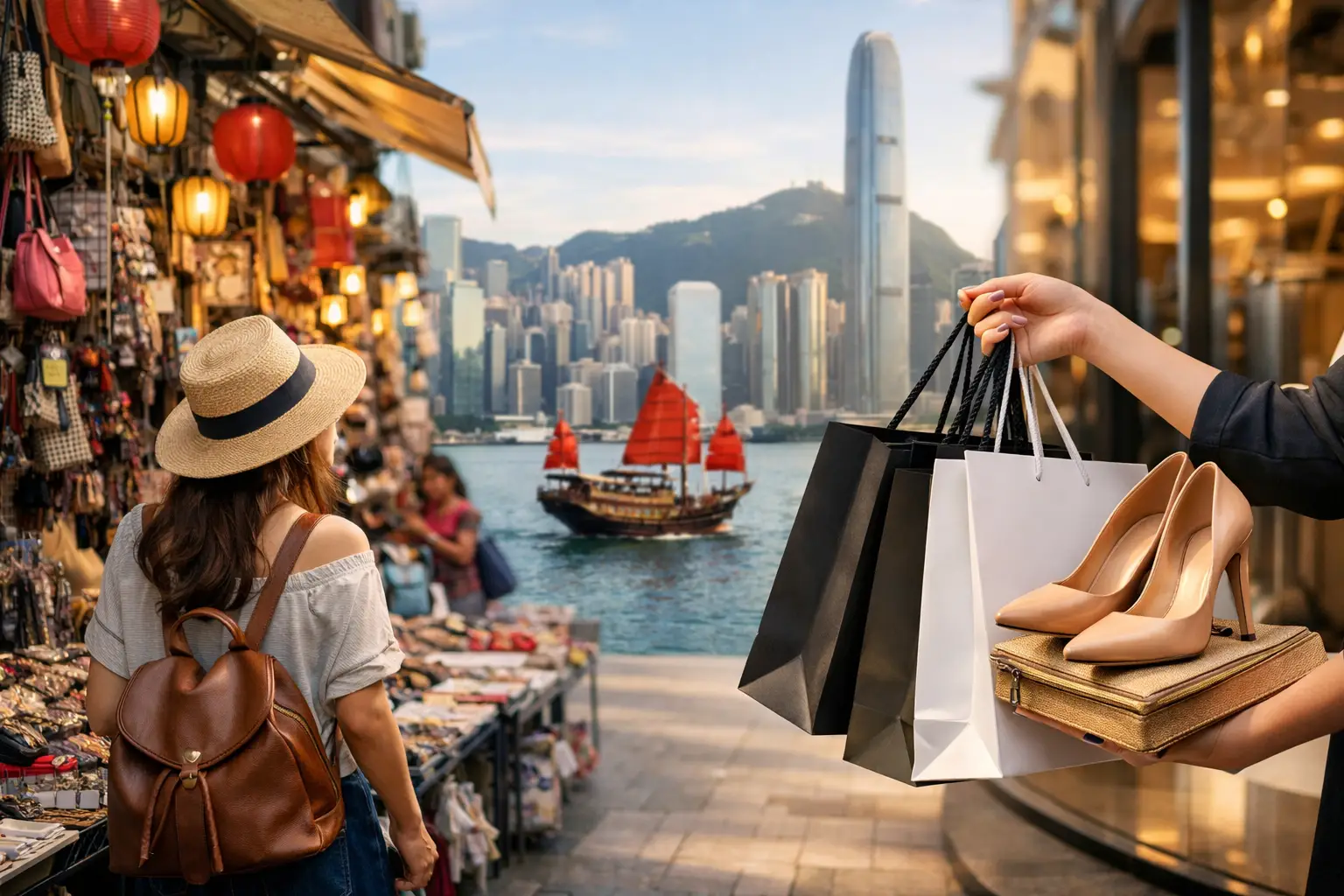
The challenge in this retail paradise isn’t finding places to shop; it’s narrowing down your choices. Hong Kong is wonderfully dense, and retail vibes shift block by block. A polished mega-mall, a bustling street market, and an independent boutique might all sit within the same afternoon. To shop well without exhaustion, here is how to master the city by neighborhood, budget, and strategy! 🛒🇭🇰

🪙 Budget Browsing: Sham Shui Po & Mong Kok
If your priority is pure value, start in districts where practicality matters far more than presentation.
1. Sham Shui Po: This area rewards patience. It is one of the strongest choices for budget-focused buyers looking for electronics stalls, phone gadgets, wholesale fabrics, and simple fashion. Prices are incredibly approachable but be prepared for crowded store displays.
2. Mong Kok: This energetic hub is the definitive stop for mid-range and budget youth fashion, cosmetics, and sportswear. Whole streets here are specialized (like the famous Sneaker Street), making it easy to compare prices across stores before committing.
🏷️ Mid-Range Comfort: Tsim Sha Tsui (TST)
For the ultimate sweet spot between quality and comfort, Tsim Sha Tsui offers the widest variety.
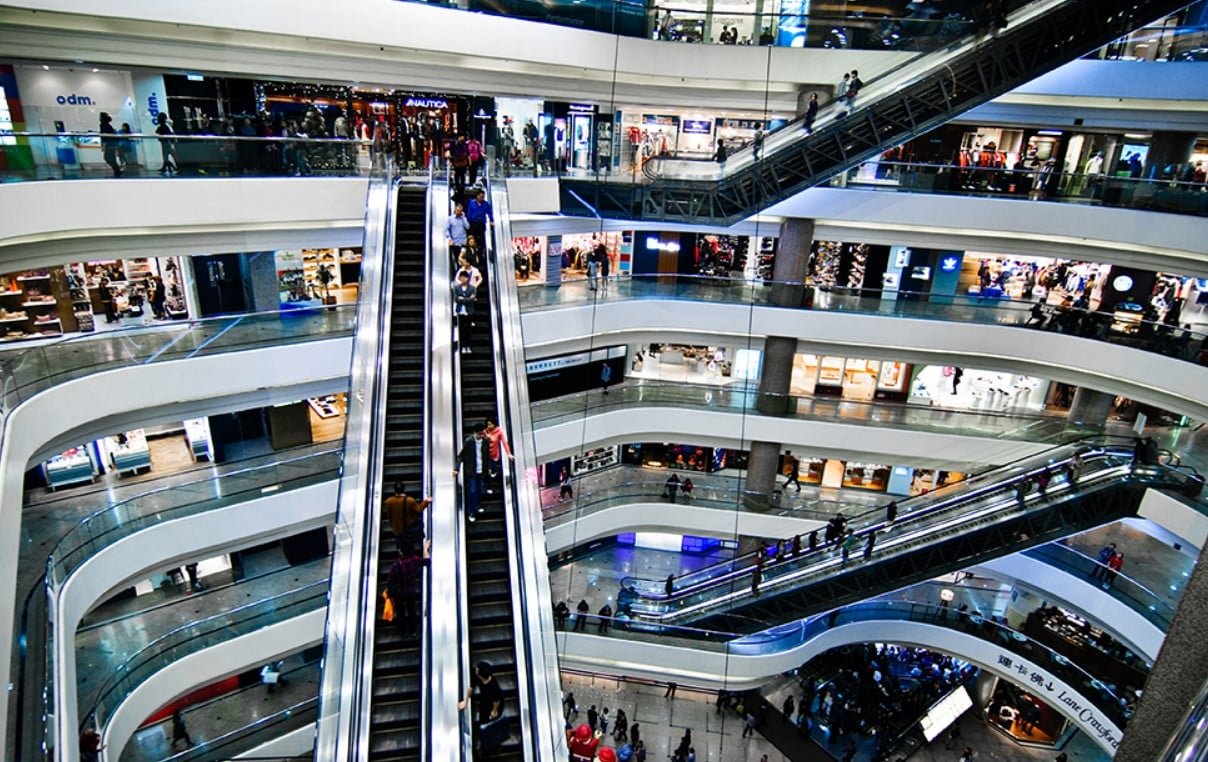
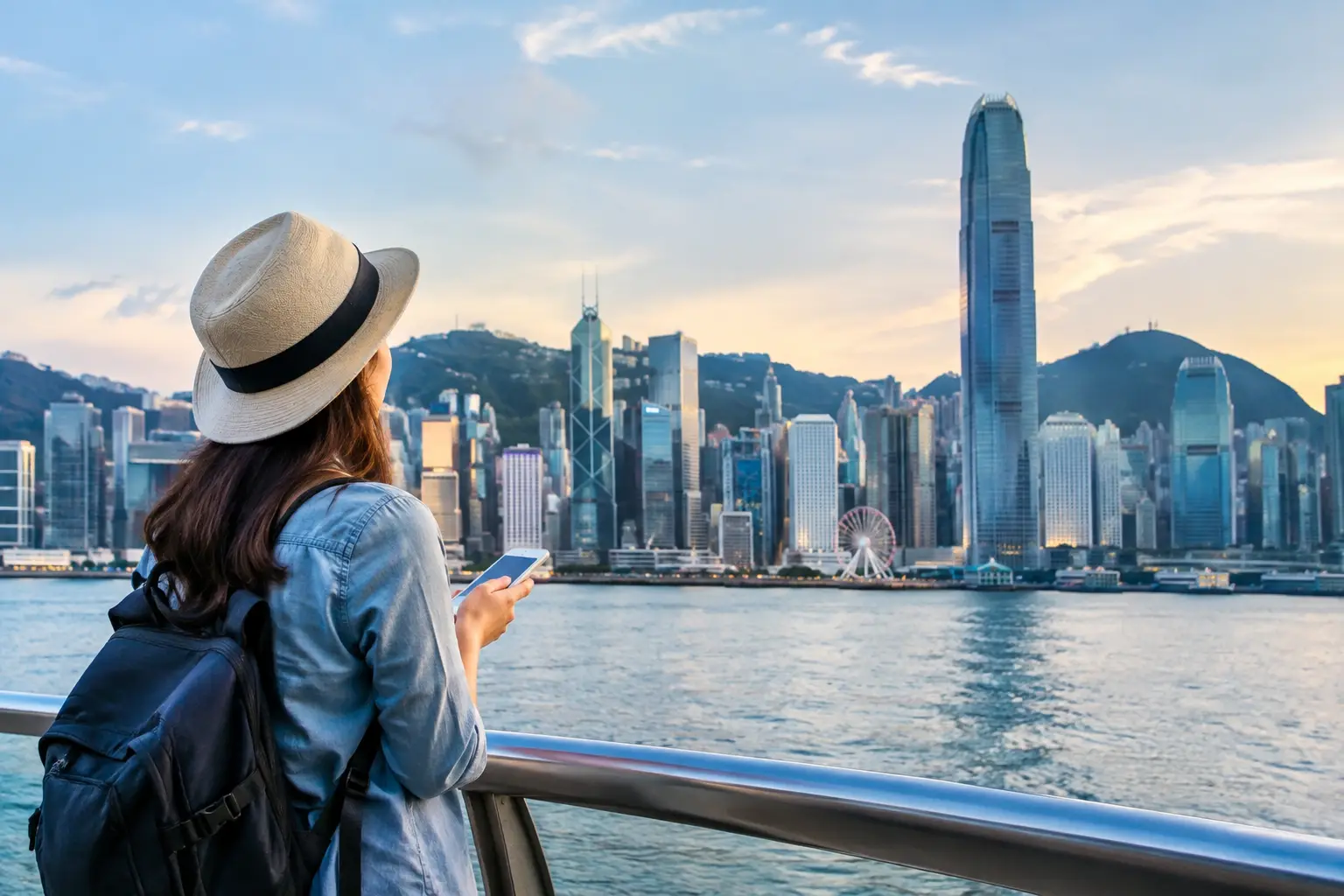
The Vibe: TST seamlessly blends massive department stores, sprawling shopping centers, and accessible designer labels. It is highly recognizable and exceptionally convenient for first-time visitors because it pairs easily with harbor sightseeing. You pay slightly more for the location, but the predictability and variety are unmatched.
💎 High-End Luxury: Central & Admiralty
When luxury is your explicit goal, the sleek corporate towers of Central and Admiralty are the most natural fit.
The Vibe: This is the undisputed home of global fashion houses, fine jewelry, and polished watch flagships. The atmosphere is quiet and composed, and the service is highly attentive. Luxury shopping here is less about hunting for dramatic discounts and more about gaining access to exclusive selections and top-tier customer service.
📊 Quick Match: What to Buy & Where
| Budget Level | 🛍️ Best Items to Buy | 📍 Top Neighborhoods |
| Budget | Phone accessories, travel gadgets, casual basics, novelty gifts. | Sham Shui Po, Mong Kok |
| Mid-Range | Skincare, contemporary fashion, local designer pieces, sportswear. | Tsim Sha Tsui, Causeway Bay |
| Luxury | Fine jewelry, premium watches, designer handbags, runway fashion. | Central, Admiralty |
💡 3 Golden Rules to Shop Smarter, Not Longer
🛑 Rule 1: Cluster Your Spending Tiers. The biggest mistake visitors make is trying to treat the whole city as one continuous mall. Don’t mix budget street markets and luxury flagships in the same morning without a plan—you will waste all your time and energy in transit.
🛑 Rule 2: Master the Clock. Luxury flagships are much more comfortable in the morning when the staff have more time and the floors are quiet. Conversely, street markets and youth-centric districts don’t truly come alive with energy until late afternoon.
🛑 Rule 3: Keep Payment Methods Flexible. While credit cards and mobile payments are universally accepted in major malls and luxury boutiques, smaller market stalls in Sham Shui Po or Mong Kok may still prefer cash or local digital wallets.
🚀 Elevate Your Retail Therapy with MyHKTour
Let’s face it: carrying massive shopping bags, luxury watch boxes, or heavy souvenir hauls through crowded train stations and steep city slopes can quickly turn a fun day into an exhausting chore—especially if you are traveling with family, kids, or older relatives.
At MyHKTour, we turn your retail goals into a smooth, seamless vacation with our premier Hong Kong local tour and private limo charter services.
👉 Design your customized Hong Kong Shopping Tour with MyHKTour today!
🚐 Door-to-Door Limo Service: Skip the subway crowds. Our luxury multi-purpose vehicles (MPVs) provide a private, air-conditioned sanctuary where you can securely store your shopping bags while you move to the next district.
🗺️ 100% Customized Pacing: We build a tailored route around your specific tastes—whether you want an efficient day of flagship appointments in Central or a vibrant market walk in Kowloon.
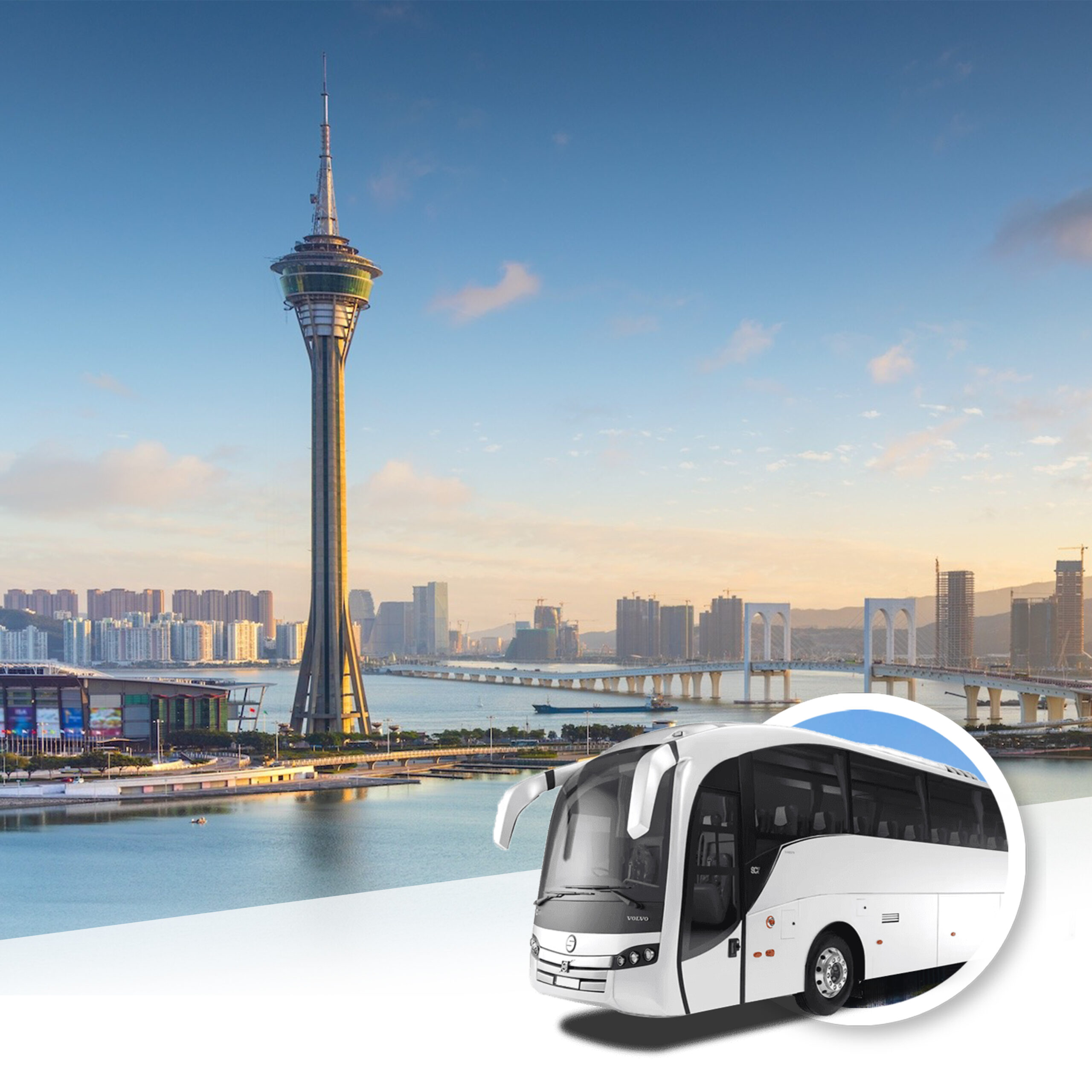
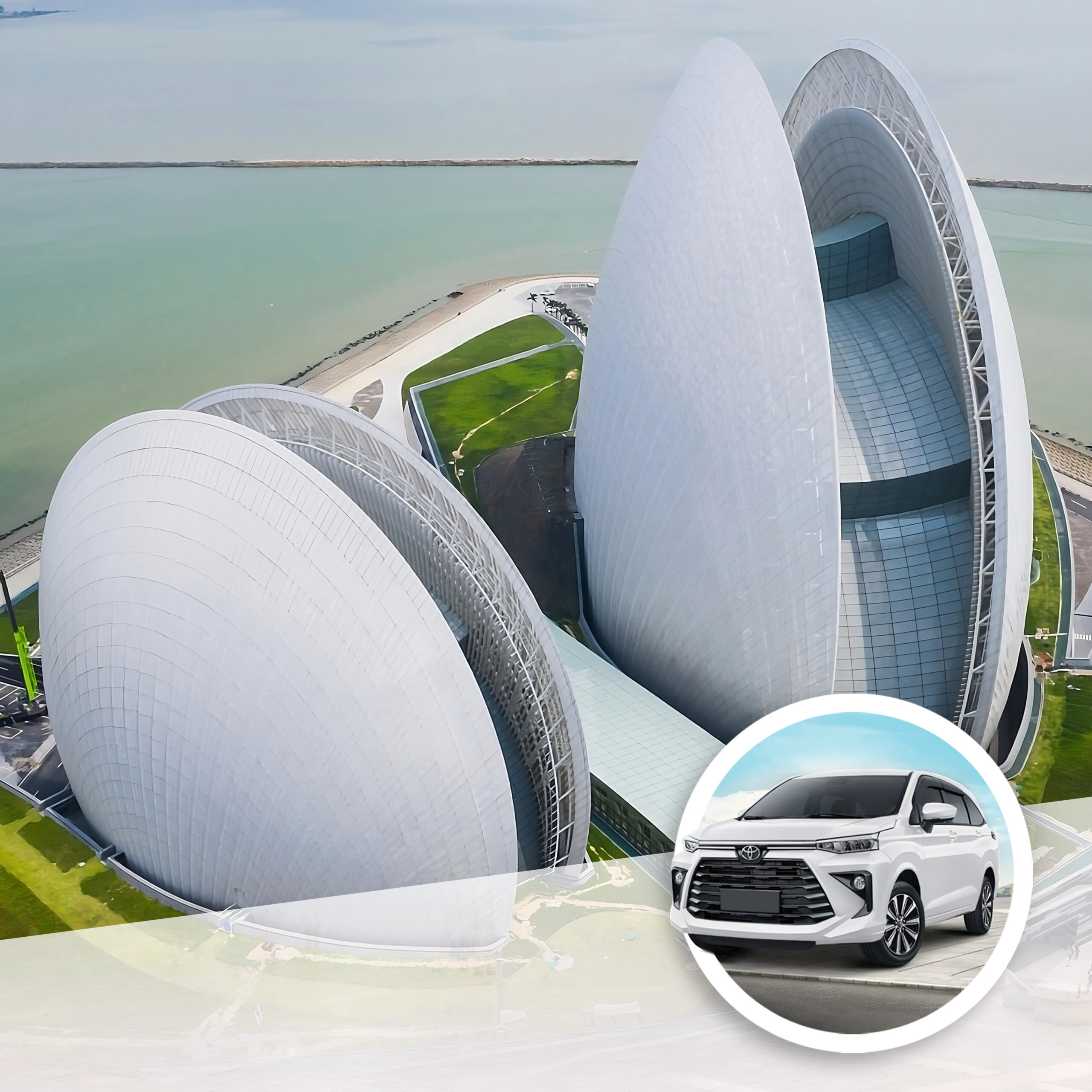
🌏 Cross-Border Greater Bay Area Connections: Want to extend your shopping spree or factory sourcing into Shenzhen, Guangzhou, or Macau? We handle all the cross-border transport and dual-plate logistics effortlessly.
Settle in, relax, and let MyHKTour show you how easy luxury travel should be! 🌟🚗
#HongKongShopping
#HongKongShoppingGuide
#MyHKTour
#PrivateTransferHK
#TravelSmart
#HongKongTravelGuide
#FamilyTravelTips
#CrossBorderTravel
#GBAAdventure
#DiscoverHongKong
#LuxuryShoppingHK
#ShamShuiPo
#CentralHK