Search
Close this search box.
Search
Close this search box.
Search
Close this search box.

Ride Us Freely

Ride Us Freely

12 Hidden Gems in Macau Locals Love

12 Hidden Gems in Macau Locals Love

Macau gets photographed for its big facades and bright casino floors, but the city feels more memorable once you step a few streets away from the main tourist flow. The real appeal of hidden gems in Macau locals love is not that they are secret in a dramatic sense. It is that they show how Macau actually lives – in shaded squares, old alleys, neighborhood bakeries, waterfront paths, and temples that still serve the people around them.

For travelers planning a short visit, that matters. Macau is compact, but it is easy to spend a full day moving between the biggest landmarks and still miss the places that give the city texture. If you want a more balanced day – less queueing, more character – these spots are worth building into your route.

Why hidden gems in Macau locals love are worth your time

Macau rewards travelers who like contrast. In one afternoon, you can move from a grand church facade to a residential lane where incense drifts out of a small temple, then finish with milk tea and toast in a cafe that has been serving the neighborhood for decades.

That mix is exactly why local-favorite places matter. They slow the pace down. They also work well for private touring because you can combine them with headline sights instead of replacing them. If you are traveling with family, older relatives, or a small group that wants comfort without losing the local feel, these stops make the day feel more personal.

The trade-off is simple. Some of these places are quieter because they are modest, not because they are designed for sightseeing. A few have limited seating, uneven streets nearby, or less English signage. That usually is not a problem, but it helps to plan your route with realistic timing.

12 hidden gems in Macau locals love

1. Lou Lim Ieoc Garden

This classical Chinese garden on the Macau Peninsula is one of the easiest places to reset after a busy morning. There are bamboo groves, lotus ponds, zigzag bridges, and shaded pavilions that feel far removed from the city traffic outside.

Locals come here to walk, chat, and take a break rather than check off a landmark. For visitors, it works best early in the day or in the late afternoon when the light is softer and the garden feels quieter. If you are traveling with children or seniors, it is also a comfortable stop because it is scenic without being physically demanding.

2. St. Lazarus District

A lot of visitors pass near this area without spending enough time in it. The streets around St. Lazarus Church have a calmer, more residential charm than the busiest heritage zones, with pastel buildings, small galleries, and a slower rhythm that feels almost village-like.

This is one of the best places in Macau for an unhurried walk. It is not packed with must-see monuments, and that is exactly the point. If you like places that feel lived-in rather than staged, this district lands well.

3. Travessa da Paixao

This short lane near the Ruins of St. Paul is known by photographers, but many day-trippers still miss it because they stay on the main route. The pastel walls, narrow proportions, and slight uphill angle make it one of the prettiest streets in the city.

The best time to see it is early, before the nearby landmark crowds build up. It is a brief stop, not a destination for an hour, but it adds atmosphere and gives you a more intimate view of old Macau.

4. Na Tcha Temple

A few steps from one of Macau’s busiest heritage icons, Na Tcha Temple often gets overlooked. It is small, quiet, and deeply tied to local religious life, which makes it a useful reminder that Macau’s historic center is not just architecture – it is also belief, ritual, and daily continuity.

Because it sits so close to major sightseeing routes, this is an easy addition rather than a detour. It works especially well if you want more cultural depth without adding extra travel time.

5. Lin Fong Temple

Lin Fong Temple does not always make the first-timer list, but it should if you are interested in places that carry both local and historical meaning. Beyond its religious role, the site is associated with late Qing reform history and gives a different perspective from Macau’s better-known Catholic landmarks.

It feels less polished than some marquee attractions, yet more grounded because of it. Travelers who enjoy context over spectacle usually appreciate this stop most.

6. Red Market area

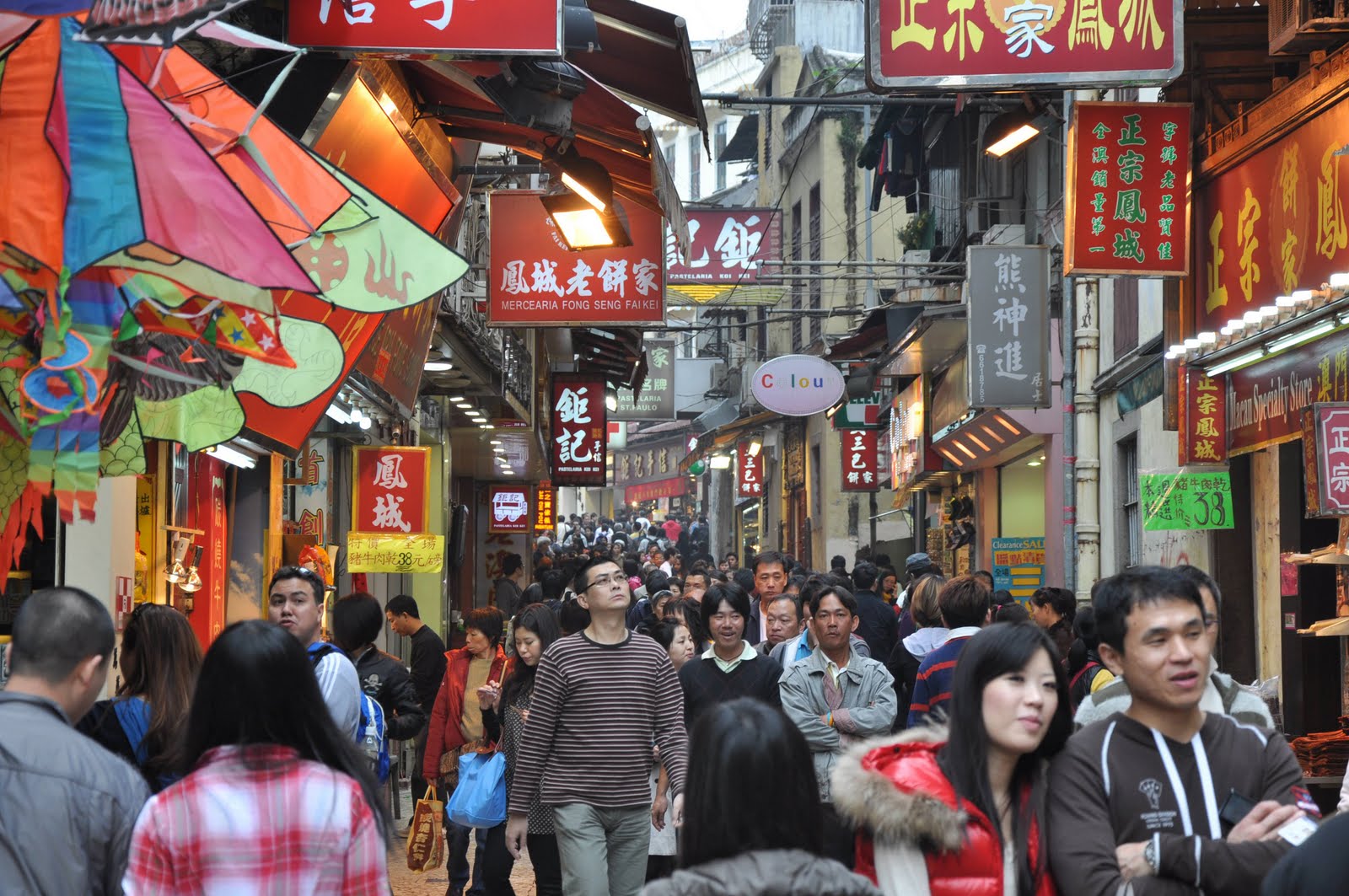
The Red Market building itself is a strong visual marker, but the wider area is what makes it interesting. Around it, you get a more everyday side of Macau – produce stalls, local shops, practical restaurants, and the kind of street movement that tells you how a neighborhood actually functions.

This is not the place for a glossy heritage photo set. It is better for travelers who want local texture, casual food, and a break from attraction-to-attraction sightseeing. Go with curiosity and a flexible appetite.

7. Rua do Cunha side streets

Rua do Cunha in Taipa is famous enough, especially for snacks and souvenir shopping, but the side streets around it are where the area becomes more enjoyable. Step one block away and the pace changes. You find older residential corners, smaller eateries, and quieter lanes that feel less performative.

If you only walk the main strip, Taipa can feel a little too obvious. Add the surrounding streets and it starts to feel layered again. This is a good example of how a popular area can still hold local flavor if you know where to turn.

8. Taipa Village small cafes and bakeries

Taipa Village gets attention, but many visitors rush through it chasing a short snack list. A better approach is to sit down in one of the smaller cafes or bakeries that serve the neighborhood as much as tourists.

The payoff is not only the food. It is the pace. Instead of collecting quick bites while standing, you get time to notice the mix of Portuguese and Cantonese influences that defines Macau so well. Some places are old-school and simple, others more polished. It depends on whether you want nostalgia or comfort, but both can work.

9. Coloane Village waterfront

Coloane feels different from central Macau right away. The waterfront near the old village has a slower, breezier character, and it is one of the best places to understand that Macau is more than dense streets and casino districts.

This area suits travelers who want breathing room. You can walk, stop for coffee, and look across the water without feeling like you need to move on quickly. If your schedule is tight, combine it with one or two Coloane stops rather than trying to cover too much elsewhere on the same day.

10. Chapel of St. Francis Xavier surroundings

Many people know the yellow chapel in Coloane from photos, but they often treat it as a quick stop and leave. The small square and surrounding village streets deserve a little more time.

There is a gentleness to this corner of Macau that stands out, especially after a busier morning in the city center. It is not dramatic, and that is why it works. The atmosphere does the job better than any checklist.

11. Hac Sa side viewpoints and walking stretches

Hac Sa Beach is not hidden in a strict sense, but the quieter walking areas and side viewpoints nearby are often underused by visitors. If the weather is good, this part of Coloane gives you a more open and natural side of Macau that many travelers do not expect.

It is a smart option if your group wants variety in the day. Heritage, food, and urban streets are central to Macau, but adding a coastal stretch changes the rhythm nicely.

12. Local cha chaan teng-style stops

Some of the best Macau moments happen over a simple table order – toast, noodles, milk tea, or a baked pork chop rice set in an old-school cafe. These places are everywhere, yet visitors often miss the better ones because they focus only on famous desserts or heavily promoted restaurants.

There is no single correct choice here. The right pick depends on where you are during the day and whether your priority is speed, comfort, or nostalgia. What matters is making room for one ordinary meal in an ordinary place. That is often where Macau feels most real.

How to fit these places into a smooth Macau day

The easiest way to enjoy these stops is not to treat them as a scavenger hunt. Pick one cluster on the Macau Peninsula, such as Lou Lim Ieoc Garden, the St. Lazarus area, and a temple or market stop, then pair that with Taipa or Coloane later in the day.

That approach saves time and keeps the day comfortable. It also leaves room for meal stops, weather changes, and the simple fact that some places are worth lingering in more than others. Families and private groups usually enjoy Macau more when the route is paced around comfort rather than maximum attraction count.

If you are arriving from Hong Kong or combining Macau with a wider regional itinerary, transport timing matters almost as much as sightseeing choices. A flexible plan with private transfers or a customized route can make these neighborhood stops much easier to enjoy, especially if you want to avoid backtracking or manage a mixed-age group.

Macau opens up when you give it permission to be smaller, quieter, and less polished than the postcard version. Leave a little room in your day for the streets and stops locals actually use, and the city starts to feel less like a stopover and more like a place you were glad to understand properly.

Related Articles

Related Services

Related Articles

Related Services

Hot Pick Products

Your cart is currently empty.