Landing in Guangzhou with a long list of must-sees sounds incredibly exciting—until the city starts showing its massive, sprawling scale. 🗺️❌ If you are wondering how to plan Guangzhou sightseeing smartly, the secret is to stop treating it like a city of random attractions. Instead, you need to treat it as a city of distinct zones.
The biggest mistake many visitors make is pinning famous places on a map and assuming they sit neatly together. In reality, a single day can disappear quickly if you constantly bounce between old heritage neighborhoods, ultra-modern business districts, and riverfront areas. To save your time, reduce walking fatigue, and leave room for legendary Cantonese food, here is your ultimate strategic planning guide! 🥢🏙️
🗺️ Step 1: Group Your Sightseeing by Neighborhood Hubs
Guangzhou becomes infinitely easier to navigate when you stay in one primary district long enough to notice its rhythm. Group your day into these distinct visual and cultural zones:
1. The Heritage Core: Liwan & Shamian Island
This is the heart of old-world Cantonese culture and history.
The Route: Start your morning with a peaceful stroll through Shamian Island, taking in its leafy, quiet streets and European-style colonial architecture. From there, move into the vibrant Liwan area to explore the traditional arcaded streets, local markets, Yong Qing Fang, and the Chen Clan Ancestral Hall.
✨ The Vibe: Deeply cultural, authentic, and lived-in. It is the absolute best area for traditional street snacks, wonton noodles, and dim sum.
2. The Modern Skyline: Zhujiang New Town & Canton Tower
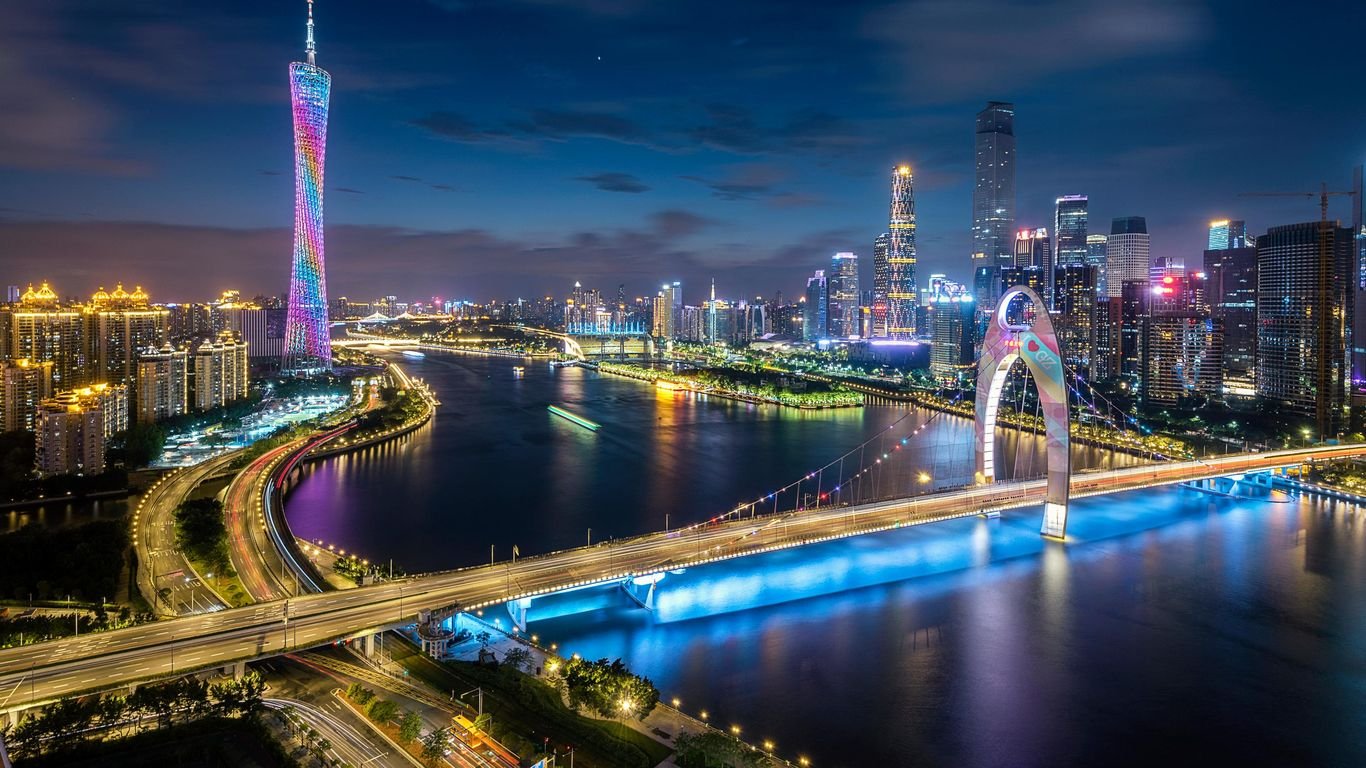
This is the district that showcases Guangzhou as a soaring, futuristic global megacity.
The Route: Spend your afternoon walking the wide avenues of Zhujiang New Town to admire the dramatic contemporary architecture. As evening approaches, cross over to the iconic Canton Tower to catch the skyline lighting up, and finish your night with a dazzling Pearl River evening cruise.
✨ The Vibe: Visual, high-impact, and thoroughly modern. Perfect for panoramic photography and upscale dining.
3. The Civic Hub: Yuexiu District
A fantastic, highly practical area for first-time visitors.
The Route: This district seamlessly combines lush green spaces, civic history, and recognizable landmarks without forcing you to constantly cross back and forth across the city.
📊 Step 2: The Ideal Daily Rhythm & Energy Management
⏱️ The 3-Stop Rule: For a flawless one-day visit, lock in three major stops—one anchor neighborhood in the morning, a nearby area for lunch and a casual walk, and one major evening highlight. Trying to squeeze in more will turn your vacation into a exhausting logistics checklist.
☀️ Beat the Heat: Guangzhou stays highly humid for most of the year. Plan your open-air walks and old-street market tours for the cooler morning or late sunset hours. Save the blazing midday hours for air-conditioned museums, traditional tea cafes, or comfortable transfers.
🥢 Dine Intentionally: Cantonese cuisine is a massive part of the destination—not just a quick filler break! Coordinate your lunch inside the specific neighborhood you are already exploring. Backtracking across the city just to chase a viral restaurant recommendation is rarely worth losing prime sightseeing hours.
🚀 Experience Guangzhou Flawlessly with MyHKTour
While Guangzhou features an extensive public metro system, navigating massive station transfer loops, language barriers, and dense commuter crowds can quickly drain your sightseeing energy—especially if you are traveling with family, seniors, or arriving as a private group from Hong Kong or Shenzhen.
At MyHKTour, we specialize in transforming complex, multi-city regional travel into seamless, first-class vacations with our premium private driver and customized local tour services.
👉 Design your perfect Guangzhou Sightseeing Tour with MyHKTour today!
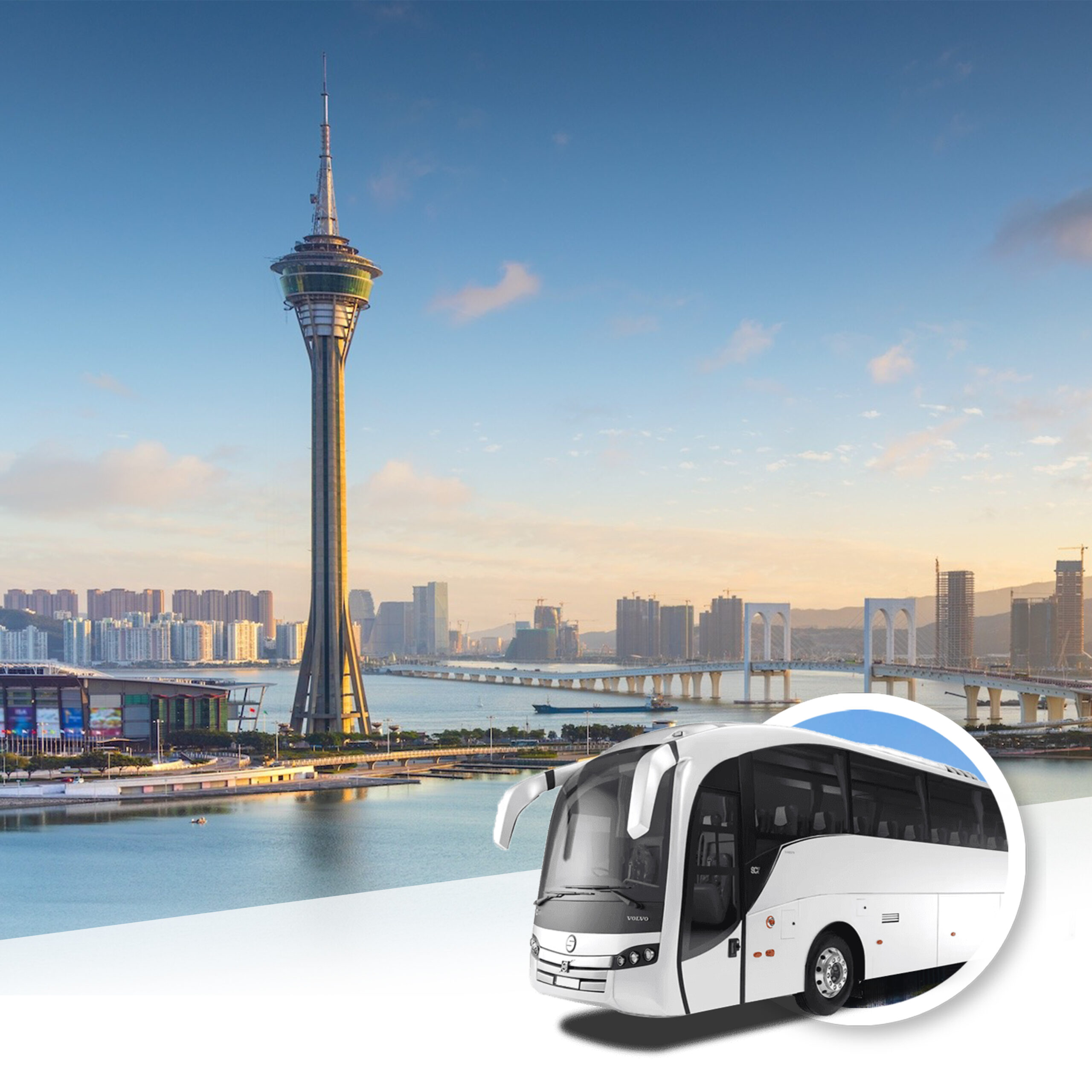
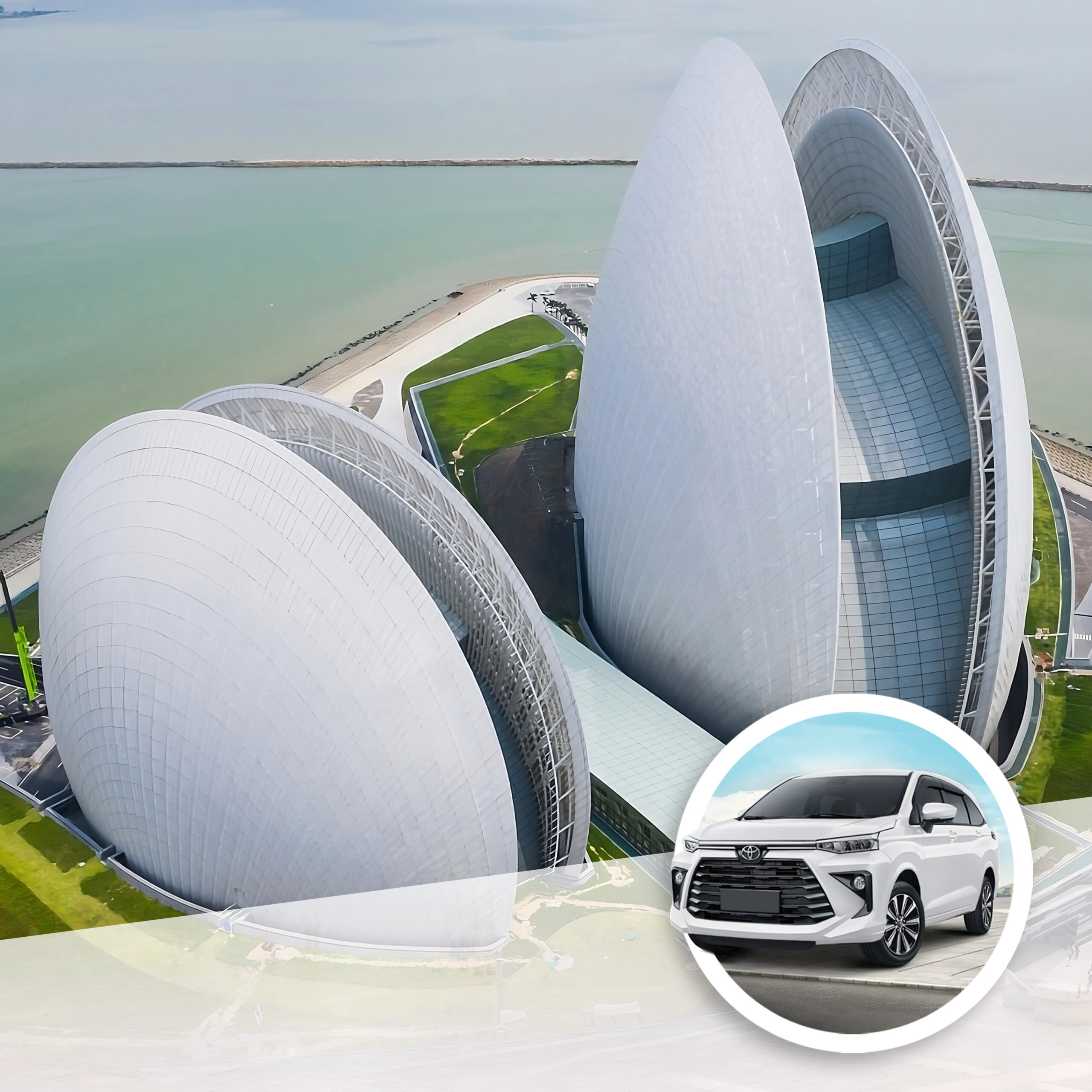
🚐 Premium Door-to-Door MPVs: Step out of the humidity and into a pristine, air-conditioned luxury vehicle. Move effortlessly between old heritage alleys and modern skyscrapers without ever worrying about local taxi queues.
🧳 Secure Onboard Storage: Keep your shopping bags, luggage, and extra gear safely stored in your private vehicle while you explore the city at your own pace.
🗺️ Dynamic Real-Time Adapting: Sudden rainstorm or heavy traffic? Our expert drivers and bilingual guides seamlessly pivot your schedule to the best indoor cultural landmarks and hidden foodie spots.
Give your day the perfect balance of organization and breathing room. Settle in, relax, and let MyHKTour show you how easy luxury travel should be! 🚘🌟✨
#GuangzhouSightseeing
#GuangzhouTravelGuide
#PlanGuangzhouSmartly
#MyHKTour
#PrivateTransferHK
#TravelSmart
#FamilyTravelTips
#CrossBorderTravel
#GBAAdventure
#CantonTower
#ShamianIsland
#ZhujiangNew Town
#DiscoverGuangzhou