A good Hong Kong trip can feel fast, exciting, and easy. A poorly planned one can turn into a string of small compromises – limited halal food nearby, prayer times squeezed between train changes, and too much time spent figuring things out on the go. If you are wondering how to arrange Muslim travel Hong Kong in a way that feels comfortable rather than stressful, the key is to plan around your daily needs first and your sightseeing second.
Hong Kong is one of those destinations where smart logistics change the whole experience. Distances may look short on a map, but crowded areas, meal timing, and attraction queues can quickly affect your day. Muslim-friendly travel here is absolutely possible, but it works best when your transport, meal stops, and itinerary flow are designed together.
How to arrange Muslim travel Hong Kong without overplanning
The most common mistake is trying to copy a standard tourist itinerary and then adjusting it for halal dining and prayer. That usually leads to backtracking, rushed meals, or skipping places you actually wanted to see. A better approach is to build your trip around a few fixed needs – where you can eat confidently, where you can pause for prayer, and how you will move between districts without wasting energy.
For most travelers, private transport makes the biggest difference. Hong Kong public transit is efficient, but if you are traveling with family, elderly parents, children, or a small group, it can still be tiring when you are coordinating prayer breaks and meal stops. A private vehicle gives you more control over timing, especially if your day includes places that are not naturally next to each other.
That does not mean every Muslim traveler needs a fully private itinerary. If you are a couple staying in a central area and comfortable navigating on your own, you may only need to pre-plan key restaurants and nearby prayer options. But if your trip includes the airport, Disneyland, Lantau, Kowloon, shopping districts, or a cross-border extension, structure matters a lot more.
Start with the three essentials
Before choosing attractions, decide three things: where you will stay, how you will get around, and how you will handle meals. These shape the rest of the trip.
Your hotel location should reduce friction. Staying somewhere central with strong road access can make a Muslim-friendly itinerary much easier, especially if you want to return for a short rest or reset between activities. Areas with convenient access to major sightseeing zones are usually more practical than choosing a hotel purely for price.
Transport comes next. If your plan includes multiple districts in one day, private car service saves time and keeps the schedule flexible. This matters even more if you are trying to fit in lunch at a halal-certified or Muslim-friendly restaurant that is not directly beside your next stop. The trade-off is cost. Public transit is cheaper, but private transport often saves enough time and stress to justify it, especially for families and groups.
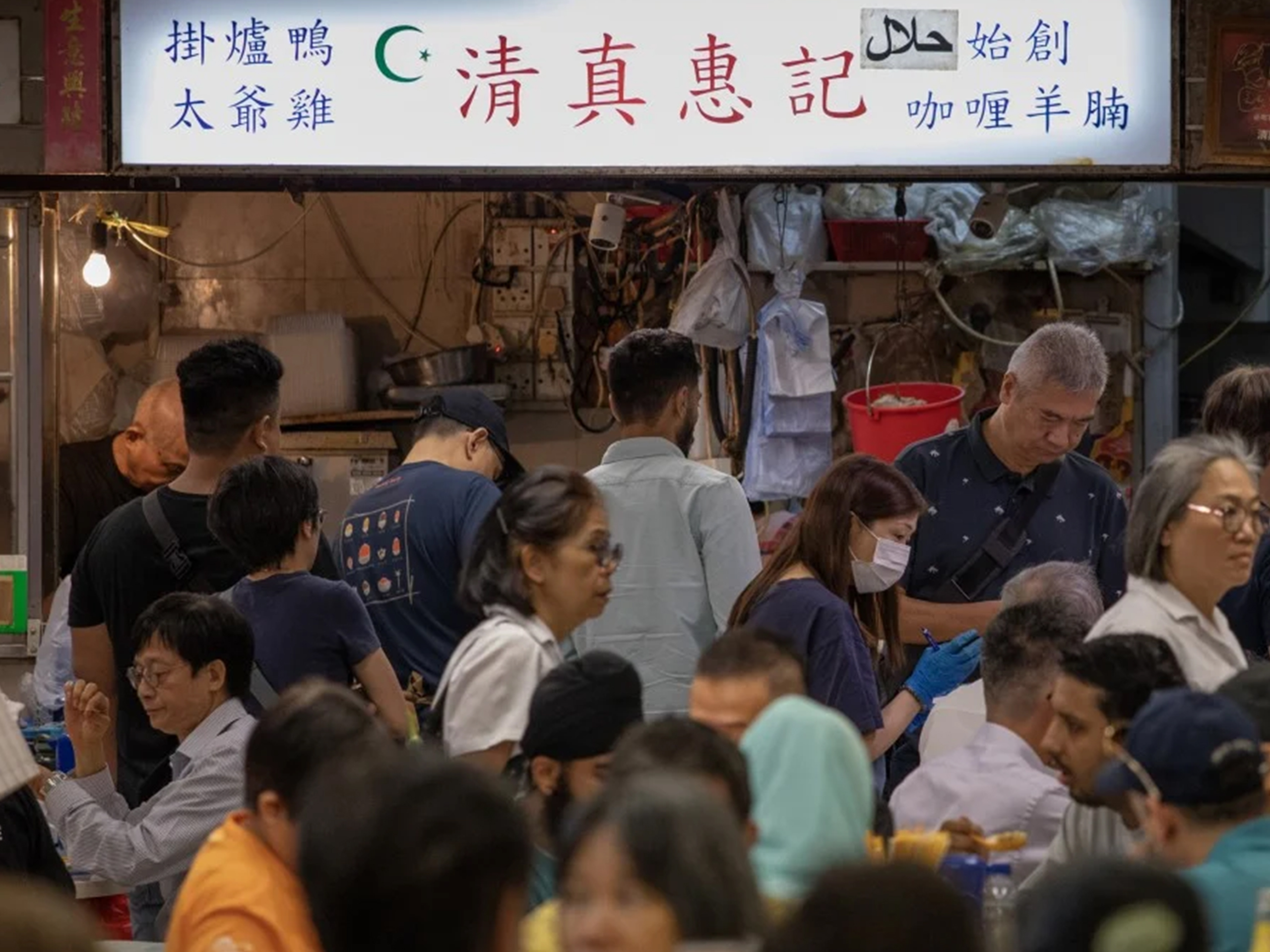
Then come meals. Do not assume you will simply find something nearby when you get hungry. In busy travel zones, there may be plenty of food but fewer options you feel confident choosing. Mapping lunch and dinner in advance helps you avoid settling for convenience over comfort.
Build each day around prayer and meal timing
The easiest way to arrange Muslim travel in Hong Kong is to think in blocks rather than a long sightseeing list. A morning block might include one major attraction and one nearby neighborhood. Midday is usually best reserved for lunch and prayer. Then you can continue with a lighter afternoon route and finish with dinner in an area that is easy to leave from.
This is a much better rhythm than trying to cover five or six separate spots across the city. Hong Kong rewards focused days. If you cluster your activities well, you spend less time in transit and more time actually enjoying where you are.
For example, a family day should not try to combine a far-out attraction, a shopping district, a harbor stop, and a late dinner in another neighborhood unless the transportation is already arranged. The more varied the group, the more important pacing becomes. Kids get tired, older travelers need comfort stops, and everyone enjoys the day more when there is room to pause.
Choose attractions that work well for Muslim-friendly planning
Some places are naturally easier to include in a Muslim-friendly itinerary. Open-air sightseeing, scenic drives, waterfront districts, cultural neighborhoods, and private day trips often give you more flexibility than tightly scheduled attractions. If you are arranging a custom day, it helps to mix one anchor experience with nearby stops rather than trying to chase every highlight.
Lantau is a good example. It can be a rewarding day, but it needs proper timing because the area is spread out. If you want to include cultural sightseeing, scenic viewpoints, and dining, transport planning matters. The same goes for Disneyland transfers or airport-day combinations, where having a direct vehicle keeps the day simple.
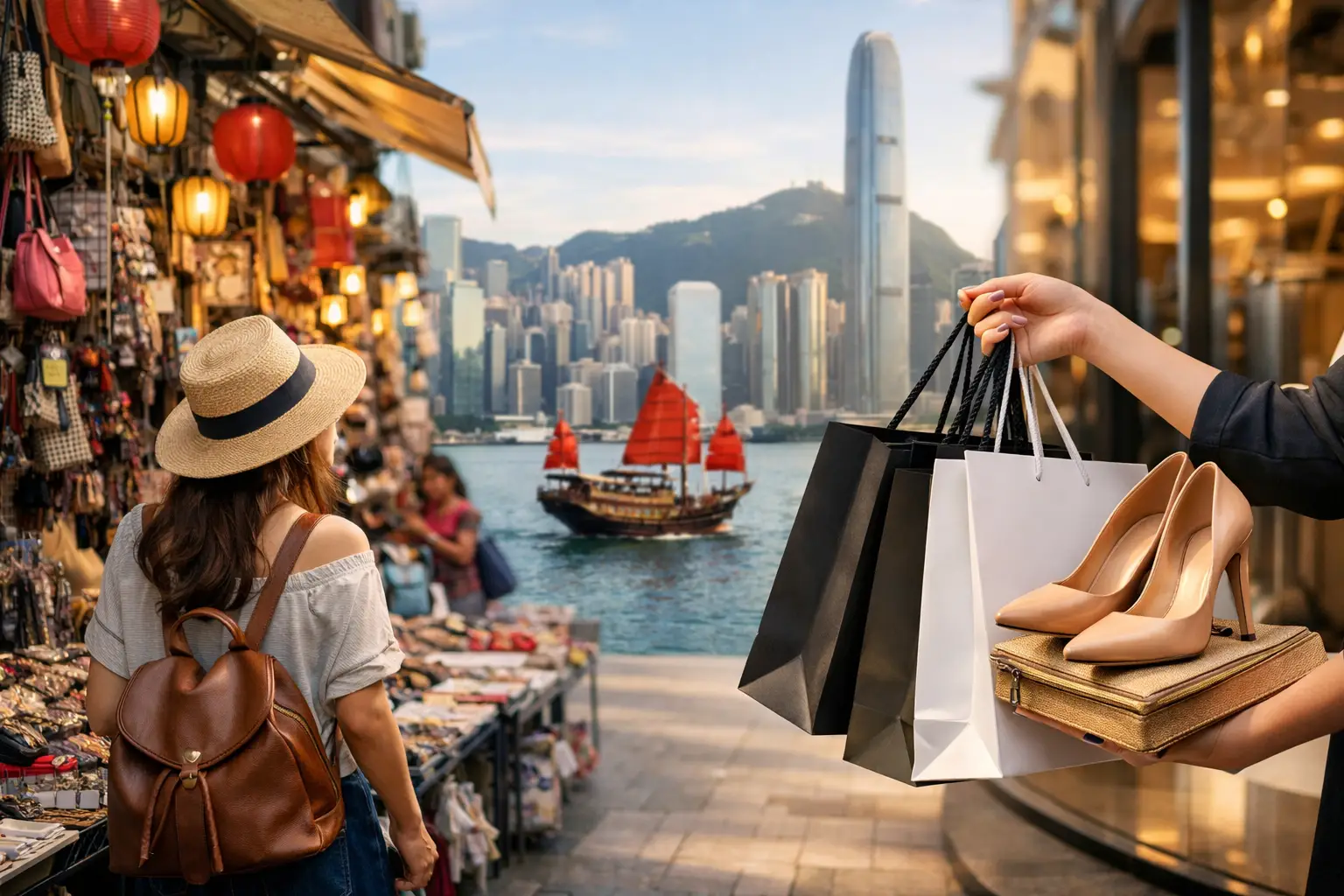
Urban sightseeing days are easier, but only if you group them properly. Kowloon, harborfront stops, shopping areas, and local food neighborhoods can work very well together when the route is logical. What slows travelers down is crossing the city repeatedly for individual attractions.
Halal dining takes research, not guesswork
Food planning is where many trips either feel smooth or frustrating. The safest approach is to identify restaurants before each day begins and keep a backup nearby. Even in a city with good international dining, the right option may not be right next to your attraction.
It also helps to be realistic about expectations. If your priority is strict convenience, you may need to choose from a narrower range of neighborhoods or cuisines. If your priority is experiencing more of the city, you may need transport support to connect sightseeing areas with suitable dining choices.
Families should be especially careful with lunch timing. A late meal can throw off the whole day, especially if you are visiting crowded places or traveling with younger children. Booking or pre-selecting lunch areas removes a lot of uncertainty.
Private transport is often the hidden upgrade
When travelers think about premium travel, they usually picture comfort. In practice, the real benefit is control. A private vehicle lets you keep shopping bags with you, adjust your timing, stop for prayer without rebuilding your whole route, and move directly between destinations.
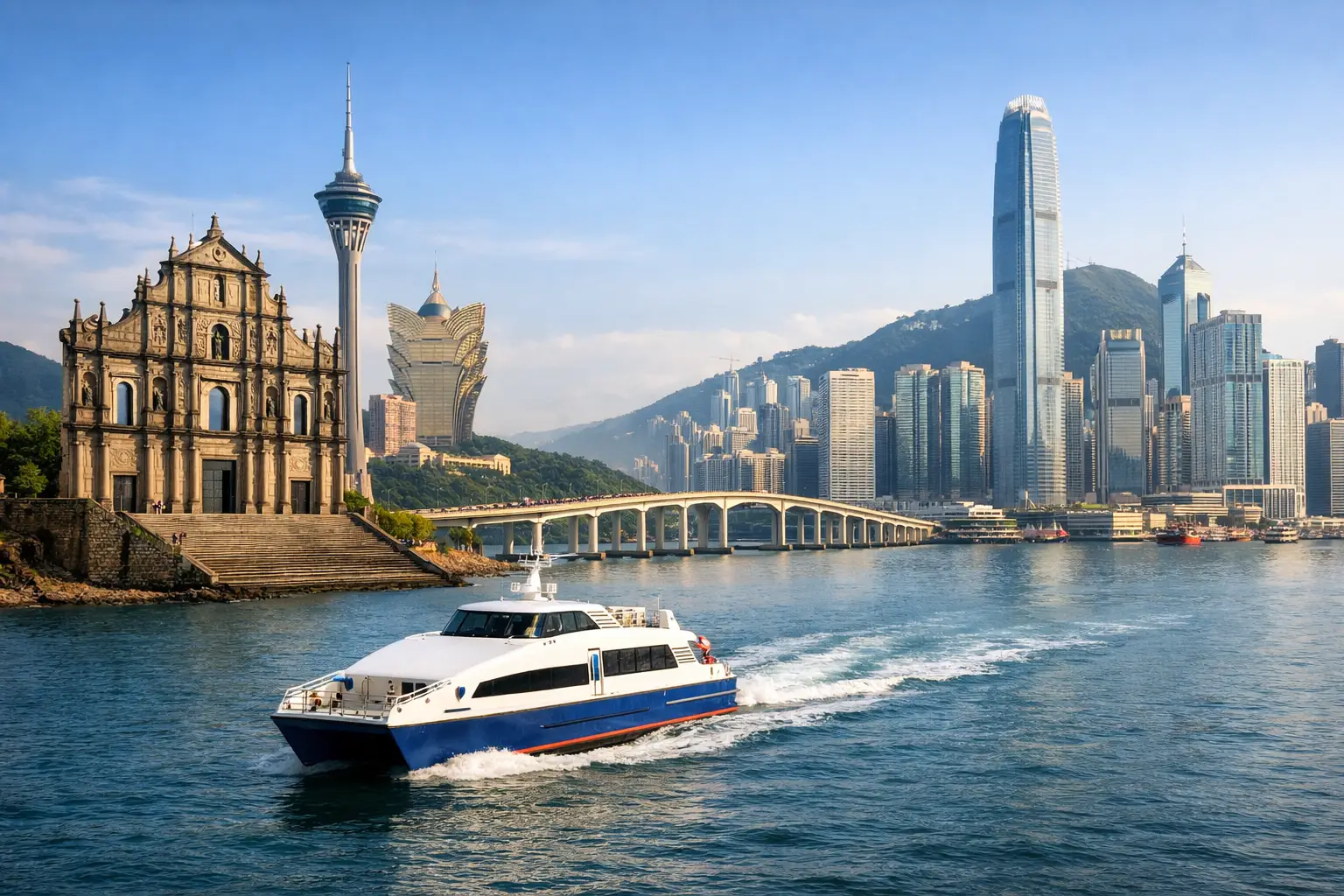
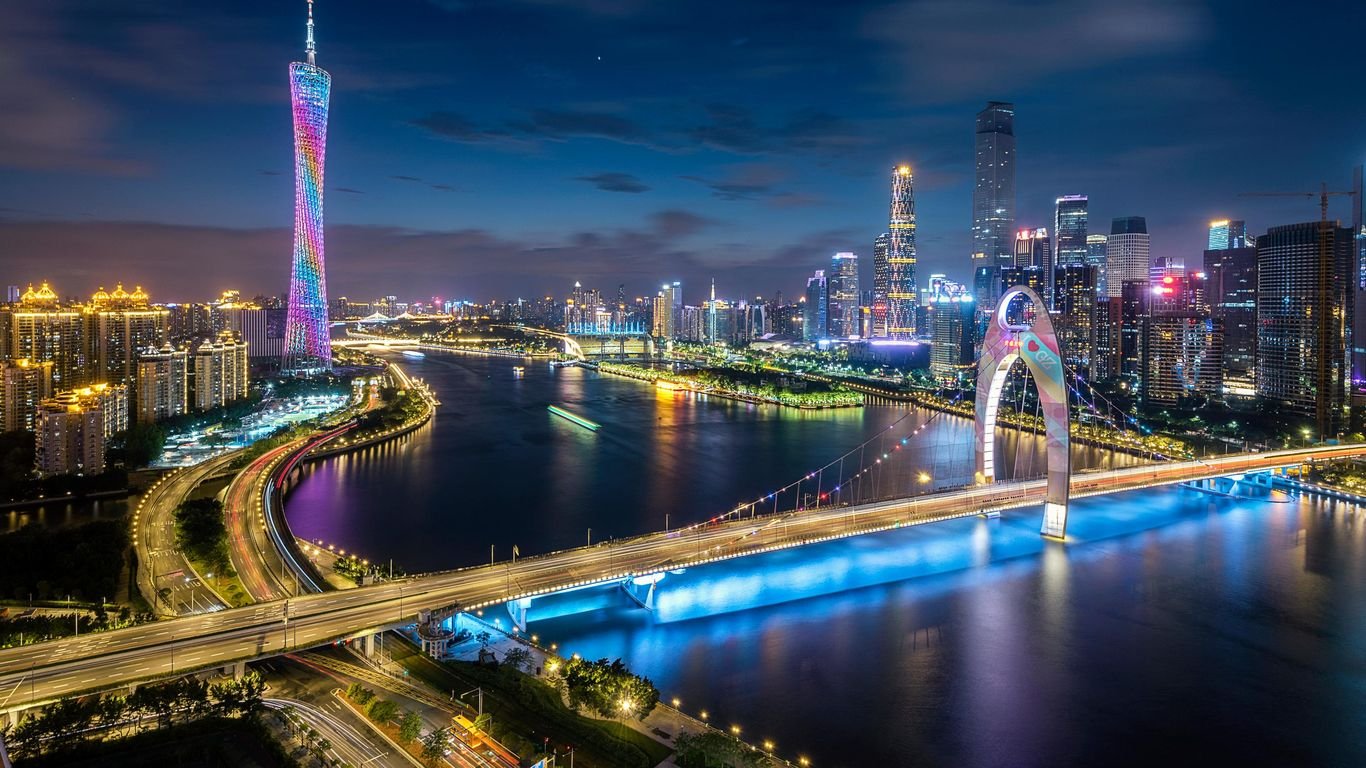
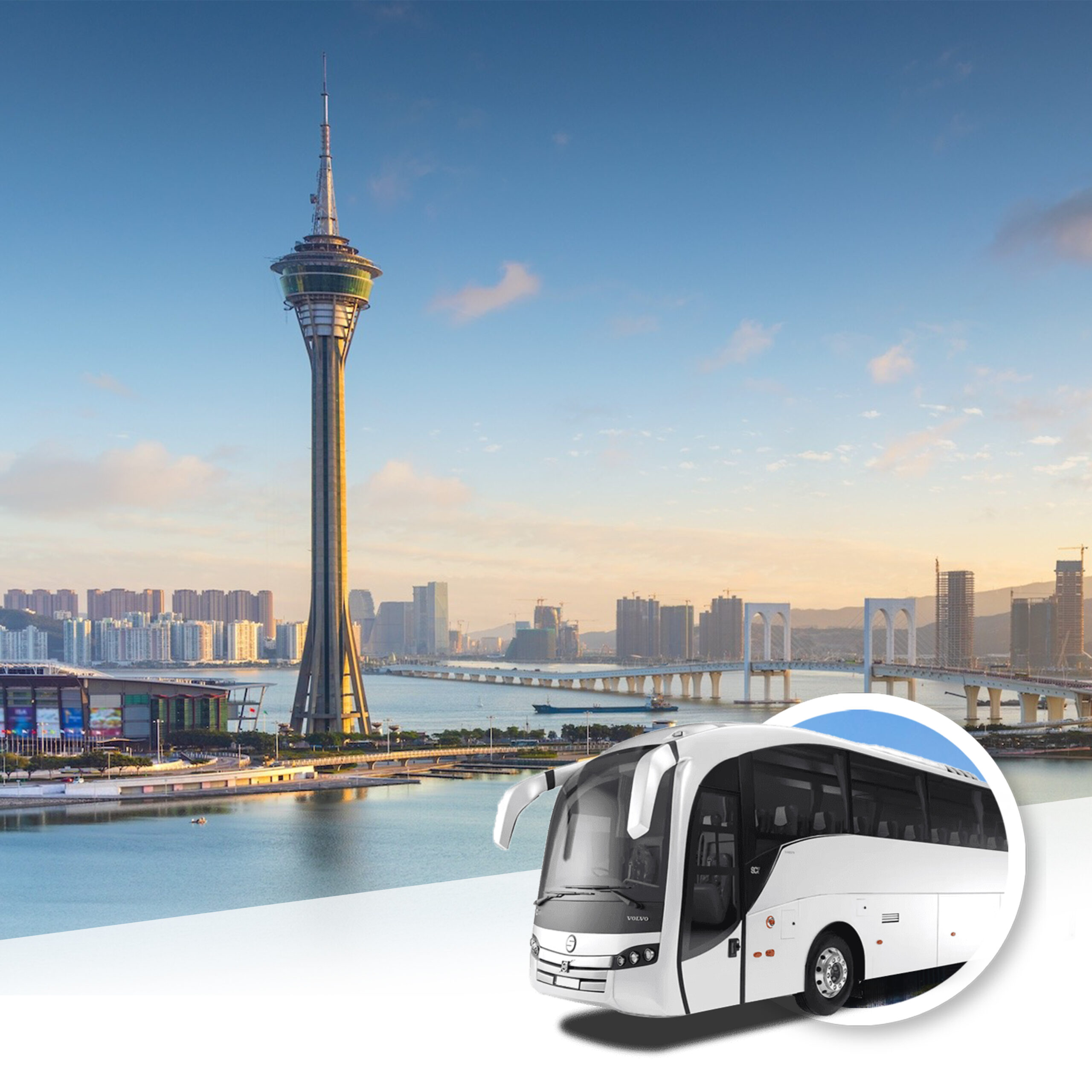
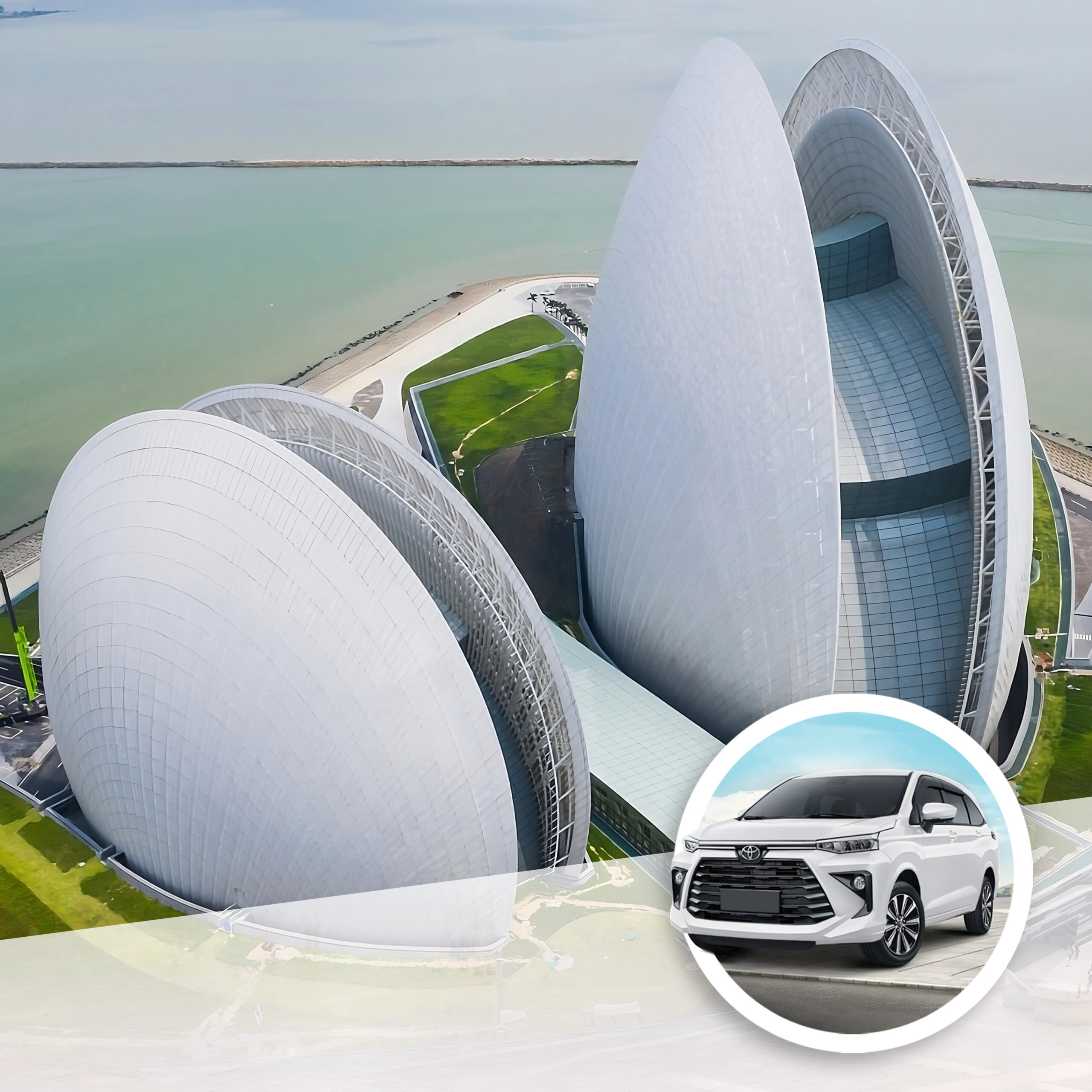
That flexibility becomes even more valuable if your trip extends beyond Hong Kong. If you are also visiting Macau, Shenzhen, Zhuhai, or Guangzhou, the planning becomes less about sightseeing and more about coordination. Cross-border trips involve timing, entry requirements, pickup logistics, and how to keep your schedule realistic across different cities. This is where working with one provider for transport and itinerary planning can save a surprising amount of effort.
MyHKTour is built around exactly that type of trip – private movement, customized planning, and day routes that actually fit the traveler rather than forcing the traveler to fit the route.
How to arrange Muslim travel Hong Kong for families and groups
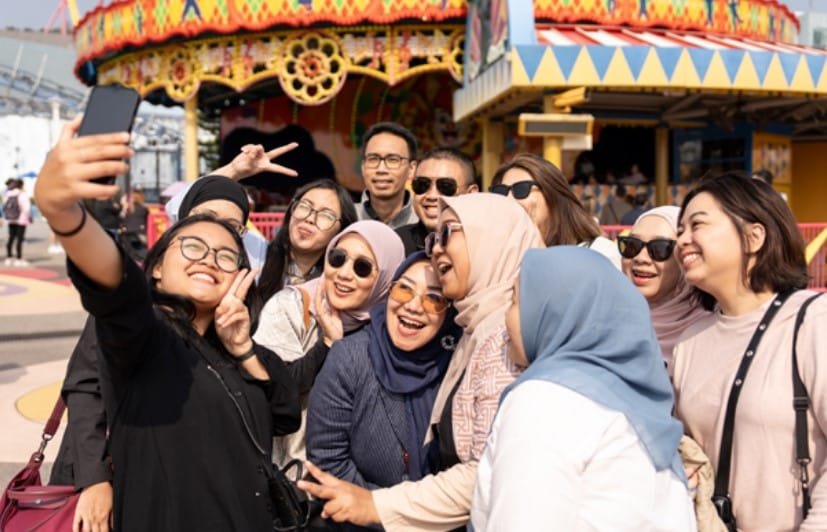
Families and private groups usually need a different strategy than solo travelers. The main goal is not seeing more. It is avoiding friction. That means shorter transfer times, fewer unnecessary changes, and enough structure that everyone knows what the day looks like.
For families, the best itineraries usually include one headline activity in the morning, a proper lunch stop, one or two lighter afternoon stops, and an easy return. If the day starts too early and ends too late, even great attractions can feel draining.
For small groups, the challenge is balancing different interests. Some travelers want shopping, others want cultural landmarks, others care most about food. A custom private day works well here because it can combine priorities without forcing the group onto fixed public transit timings.
For larger groups, transport planning should happen first. Once vehicle size, pickup point, and route timing are set, meals and sightseeing become much easier to arrange.
Keep your plan flexible where it counts
The best Muslim-friendly trip plans are not packed to the minute. They protect the important things and stay flexible on the rest. Lock in transport, major attractions, and meal areas. Leave some room around shopping, neighborhood walks, and optional stops.
This balance matters because travel days rarely run exactly as expected. Weather changes. Kids need a break. A restaurant gets busy. A district turns out to be more enjoyable than planned. If your schedule has no breathing room, small delays become big frustrations.
A comfortable Hong Kong trip is rarely about doing everything. It is about arranging the right things in the right order so you can enjoy the city without negotiating your essentials all day. Start with halal dining, prayer timing, and transport. Then build your sightseeing around that framework. When the logistics are handled well, the experience feels lighter, more personal, and far more enjoyable from the moment you arrive.