A lot of travelers ask the same question right after pricing flights and hotels: is hong kong expensive to visit? The honest answer is yes, it can be – but not in a flat, one-size-fits-all way. Hong Kong is a city where your daily cost can swing fast depending on where you stay, how you move around, and whether you want convenience or are happy to plan every detail yourself.
That range is what catches people off guard. You can eat an excellent meal for a modest price in one neighborhood, then walk past luxury malls, five-star hotels, and rooftop bars that push the budget in the opposite direction. For travelers who value comfort, time efficiency, and a smoother trip, Hong Kong often feels less “cheap versus expensive” and more “worth paying for when it saves hassle.”
Is Hong Kong expensive to visit compared with other cities?
Compared with many cities in Southeast Asia, Hong Kong is expensive. Compared with London, New York, or Singapore, it can feel more balanced, especially if you make smart choices on lodging and daily transport. The biggest difference is that Hong Kong compresses budget and premium travel into the same city block. That gives you options, but it also means poor planning gets expensive quickly.
If you are visiting as a family, arriving on a cruise, traveling with older relatives, or trying to combine Hong Kong with Macau or mainland China, convenience starts to matter more than chasing the absolute lowest price. A cheap hotel far from your planned activities may save money on paper but cost you time, energy, and extra transfers every day.
Where most of your money goes
Hotels are usually the biggest expense
For most visitors, accommodation is the part of the budget that hurts first. Hotel rooms in central areas are often smaller than US travelers expect, and prime locations command a premium. If you want easy access to shopping, harbor views, business districts, or major attractions, room rates can climb fast.
A budget stay might still feel expensive by Asian city standards, while mid-range and upscale hotels are often where Hong Kong clearly shows its premium side. Families and groups also run into the space problem. Two smaller rooms can cost more than expected, which is one reason private planning and transport often appeal to travelers who want to make the most of each day once they are already paying for a higher-comfort trip.
Food can be affordable or very upscale
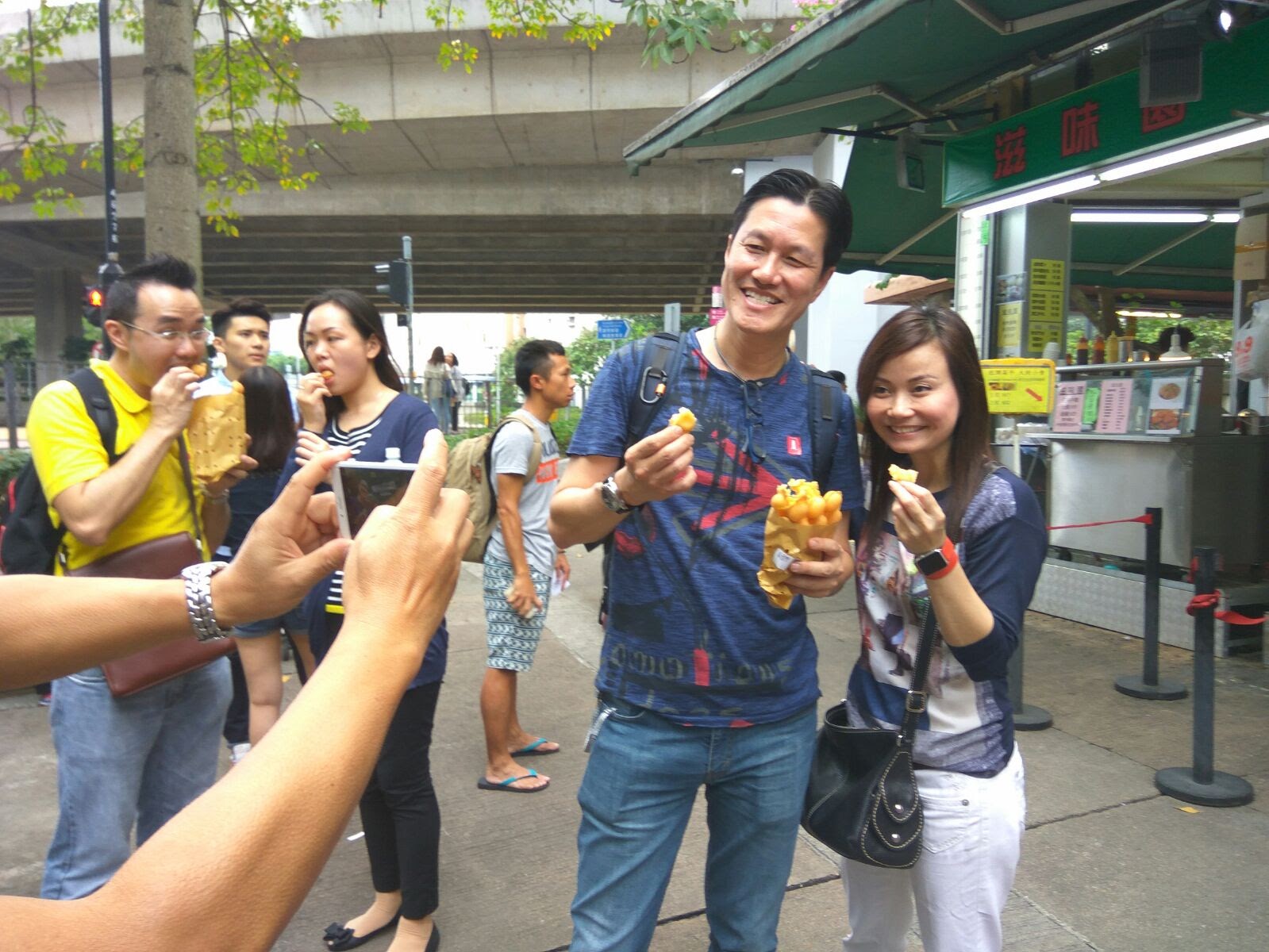
Food is one of the better parts of the budget because you have real flexibility. Casual local meals, noodle shops, cafes, and many neighborhood restaurants can be reasonably priced. You do not need a luxury budget to eat well here.
That said, dining costs rise quickly if you prefer hotel breakfasts, international restaurants, fine dining, or places in major tourist districts. Families with picky eaters or travelers who want familiar Western options often spend more than they planned. The city gives you low-cost food choices, but not everyone wants to spend vacation time searching for them.
Transportation is efficient, but convenience costs more
Hong Kong’s public transportation system is excellent. The MTR, buses, trams, and ferries are generally efficient and affordable, which helps keep daily costs manageable. If your trip is simple and you are comfortable navigating stations, transfers, and walking in crowded areas, transport does not have to be expensive.
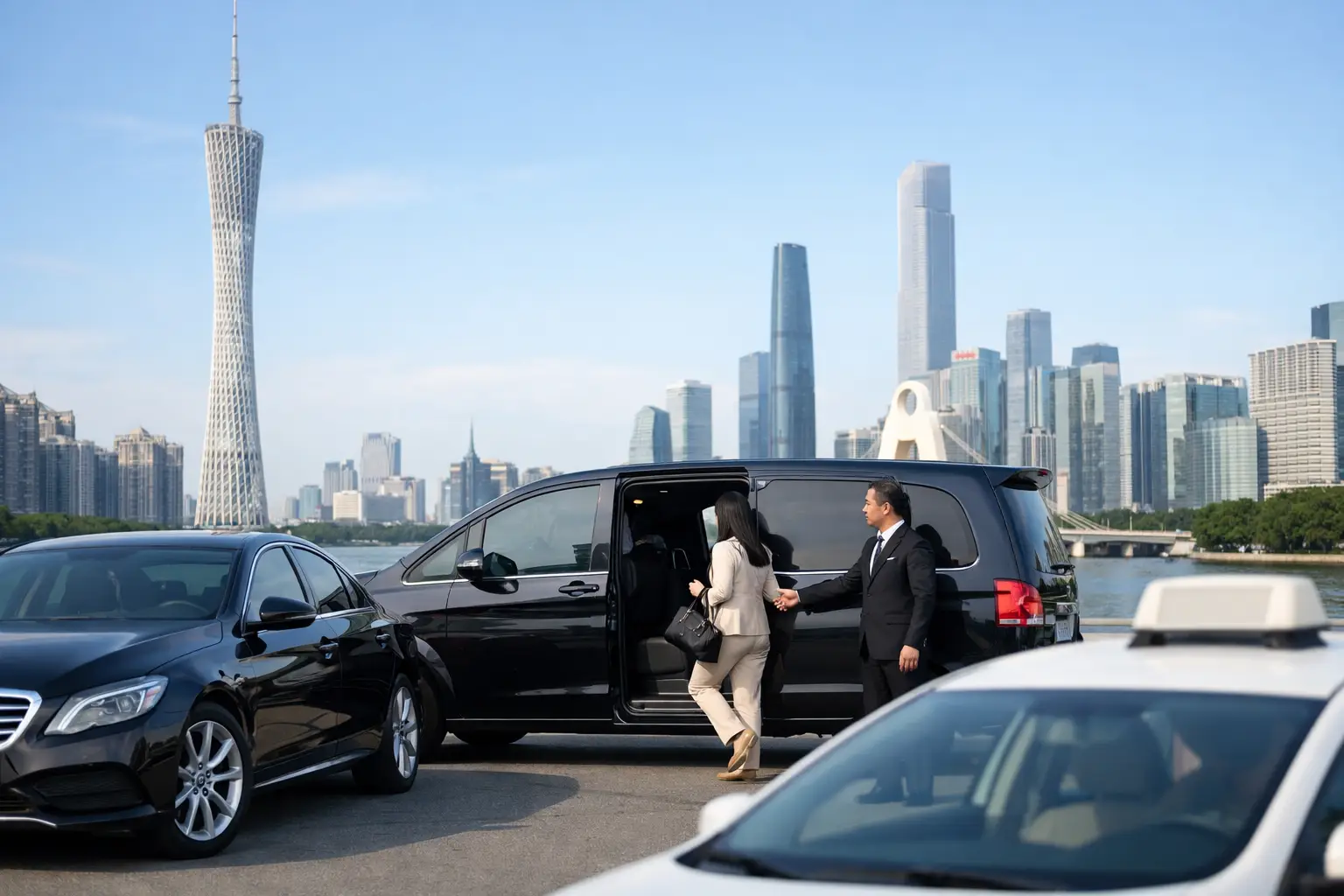
The trade-off is convenience. Airport transfers, hotel pickups, private drivers, and custom routes cost more, but they remove a lot of friction. That matters if you are traveling with luggage, children, elderly parents, or a tight sightseeing schedule. In those cases, paying more is often less about luxury and more about making the day actually work.
Attractions vary more than people expect
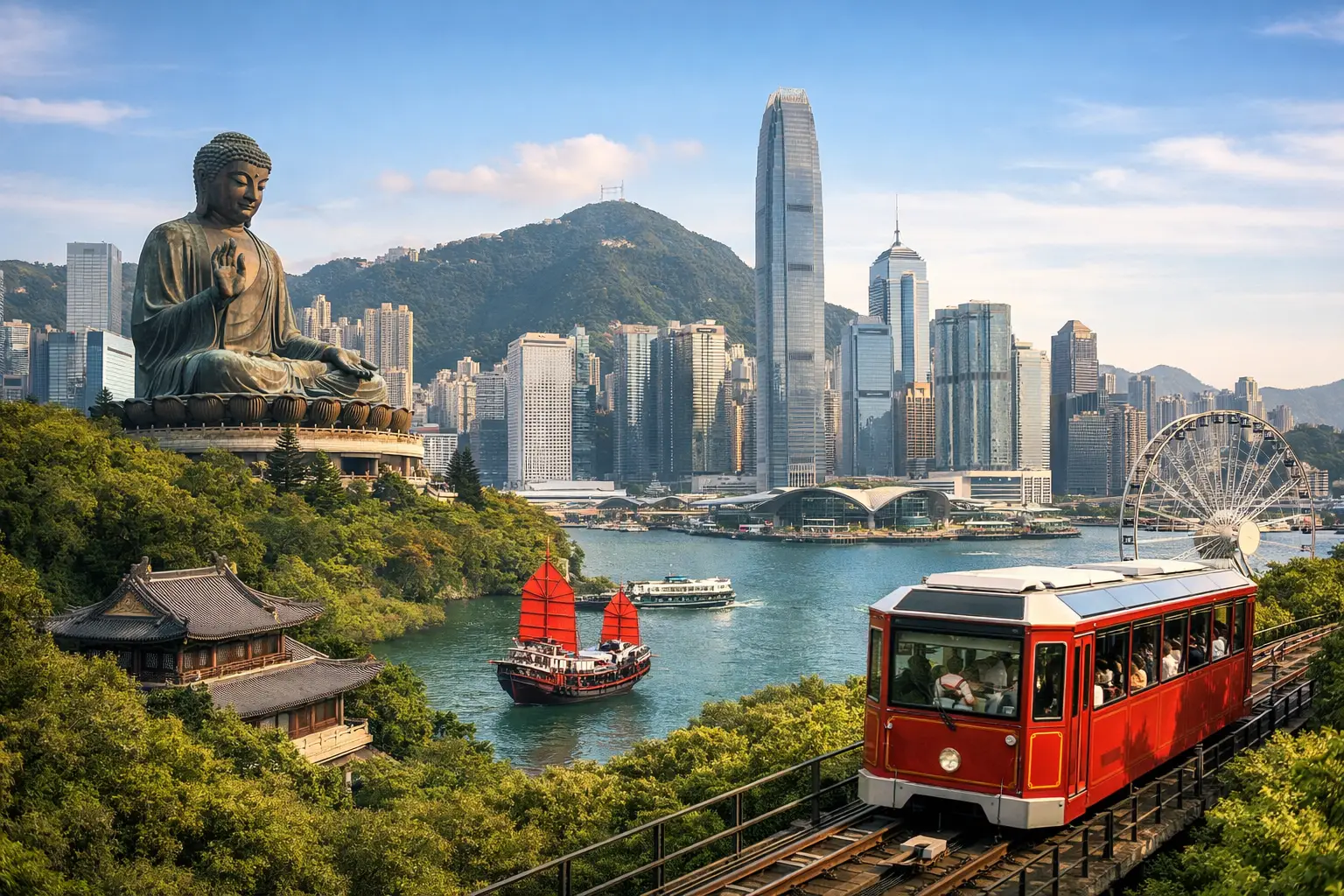
Some of Hong Kong’s best experiences are inexpensive or even free. Riding the Star Ferry, walking the waterfront, browsing neighborhood markets, and taking in skyline views can fit almost any budget. You do not need to pay admission every hour to enjoy the city.
But some headline attractions are expensive enough to shape your budget. Theme parks, peak-time observation experiences, guided specialty tours, and premium cultural outings can add up. The cost feels especially noticeable when you stack several major activities into a short trip.
A realistic daily budget
Budget travelers
If you are staying in simple accommodations, using public transit, eating mostly local meals, and keeping paid attractions limited, Hong Kong can be done on a moderate daily budget. It still will not feel like a bargain destination, but it can be manageable.
Mid-range travelers
This is where many international visitors land. A comfortable hotel, a mix of casual and nicer meals, a few paid attractions, and some taxis or point-to-point rides can make Hong Kong feel clearly expensive, though still predictable if you plan well.
Premium travelers
If you prefer private airport pickup, flexible day touring, better-located hotels, curated experiences, and easy cross-city logistics, costs rise quickly. But for many travelers, that extra spend buys back something valuable: time, comfort, and less stress. In a dense, fast-moving destination, that can be worth more than squeezing every dollar.
Is Hong Kong expensive to visit for families and private travelers?
Often, yes – but not always for the reason people think. The issue is not only ticket prices or restaurant bills. It is the compound effect of needing more space, more structure, and fewer planning mistakes.
A family with young kids may need a larger room, easier meals, and direct transportation. A private group may want to see several neighborhoods in one day without spending hours learning routes. Cruise passengers and short-stay visitors usually care less about doing Hong Kong at the lowest cost and more about doing it well in limited time.
This is where a premium service model can make financial sense. If one organized itinerary replaces multiple taxi rides, confusing transfers, missed timing windows, and half a day of guesswork, the total value can be better than the cheapest-looking option. That is particularly true for travelers combining sightseeing with airport, cruise, or cross-border movements.
How to keep costs under control without ruining the trip
The smartest way to manage your budget is to be selective, not restrictive. Stay somewhere that reduces wasted transit time. Mix casual local meals with a few higher-end experiences you actually care about. Use public transportation when it is simple, and pay for private transfers when the route is complicated or the schedule matters.
It also helps to cluster your days by area. Hong Kong is efficient, but jumping back and forth across the city still burns time. A well-organized day usually costs less in the long run because you avoid unnecessary rides, impulse spending, and last-minute decisions.
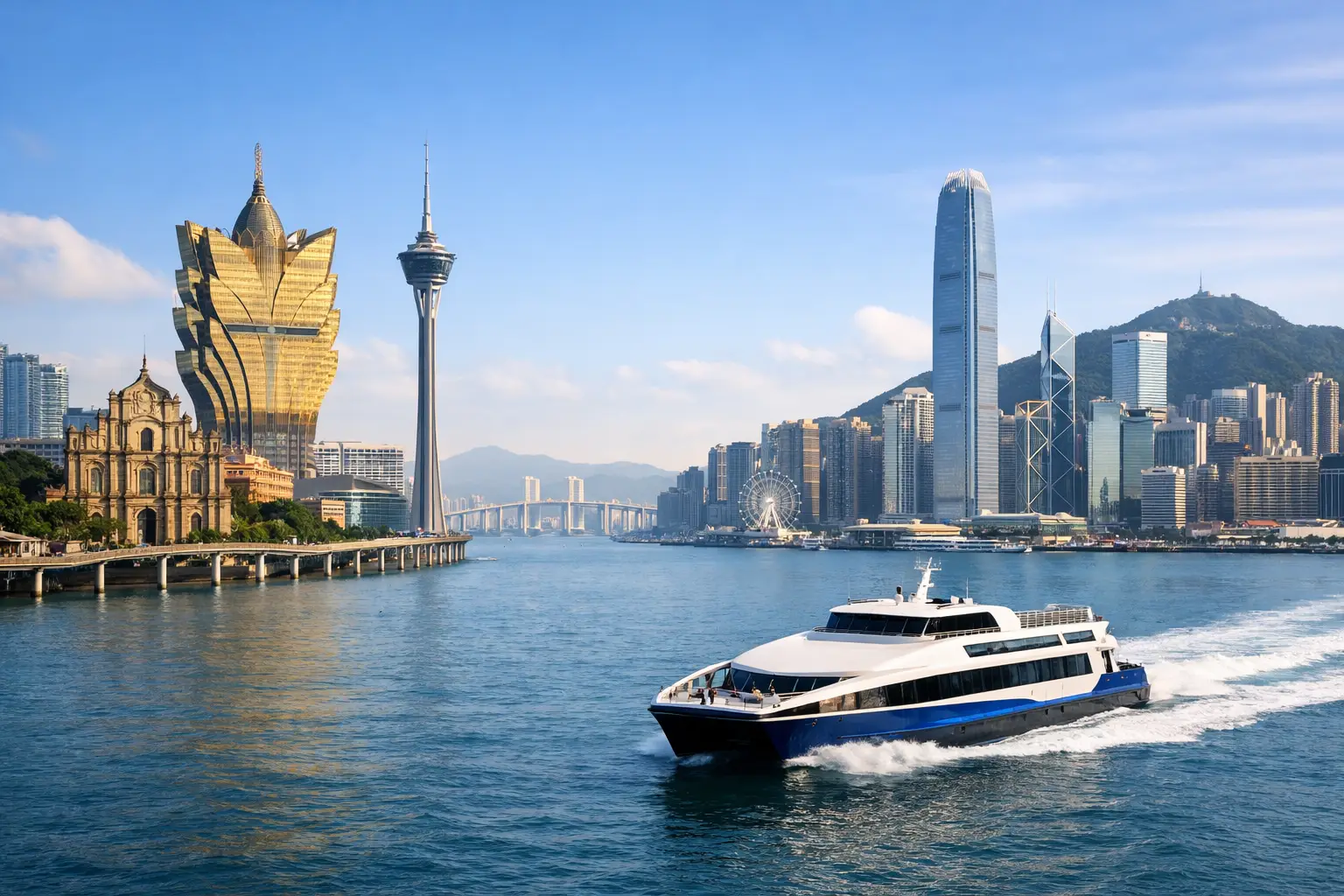
If your trip includes Macau or nearby cities, planning becomes even more important. Cross-border travel can be smooth, but only if your timing, documents, pickup points, and route all line up properly. This is one of those cases where cheap planning mistakes can turn into expensive travel days.
When Hong Kong feels worth the price
Hong Kong tends to feel expensive when travelers compare it to cheaper destinations nearby. It tends to feel worth it when they compare what they get in return: safety, efficiency, standout food, iconic city views, and the ability to combine urban energy with culture, hiking, islands, and nearby regional trips.
It also helps to think in terms of trip quality, not just raw spend. A well-planned three-day visit with comfortable transfers and targeted sightseeing can feel better than a five-day trip spent figuring out logistics. That is why many visitors choose curated private touring. They are not only paying for transport. They are paying to remove uncertainty.
For travelers who want a smoother experience, companies like MyHKTour are built around that exact need – pairing local access with door-to-door planning so the city feels easier to enjoy.
So, is Hong Kong expensive to visit?
Yes, Hong Kong can be expensive to visit, especially for hotels and premium convenience. But it is not automatically overpriced, and it is not a destination where everyone spends the same way. You can keep costs reasonable if you are flexible, organized, and comfortable using public transit. You can also spend more for a trip that feels dramatically easier.
The best approach is to decide where comfort matters most to you. In Hong Kong, paying for the right things often makes the city feel less overwhelming and far more rewarding. That is usually money well spent.