Ride Us Freely

Ride Us Freely

Hong Kong Hotel Transfer Options Explained

Hong Kong Hotel Transfer Options Explained

Landing in Hong Kong after a long flight, the last thing most travelers want is to decode train maps, taxi lines, and baggage rules while trying to reach a hotel on schedule. That is why understanding Hong Kong hotel transfer options before you arrive can save more than money – it can save energy, time, and the mood of the whole trip.

For some travelers, the best transfer is the cheapest one. For others, it is the one that gets a family of five, three suitcases, and a stroller to the hotel without stress. And if your trip includes Macau, Shenzhen, a cruise terminal, Disneyland, or business meetings across the city, the right transfer choice matters even more. The best option depends on your arrival time, group size, hotel location, budget, and how much friction you are willing to manage on your own.

How to compare Hong Kong hotel transfer options

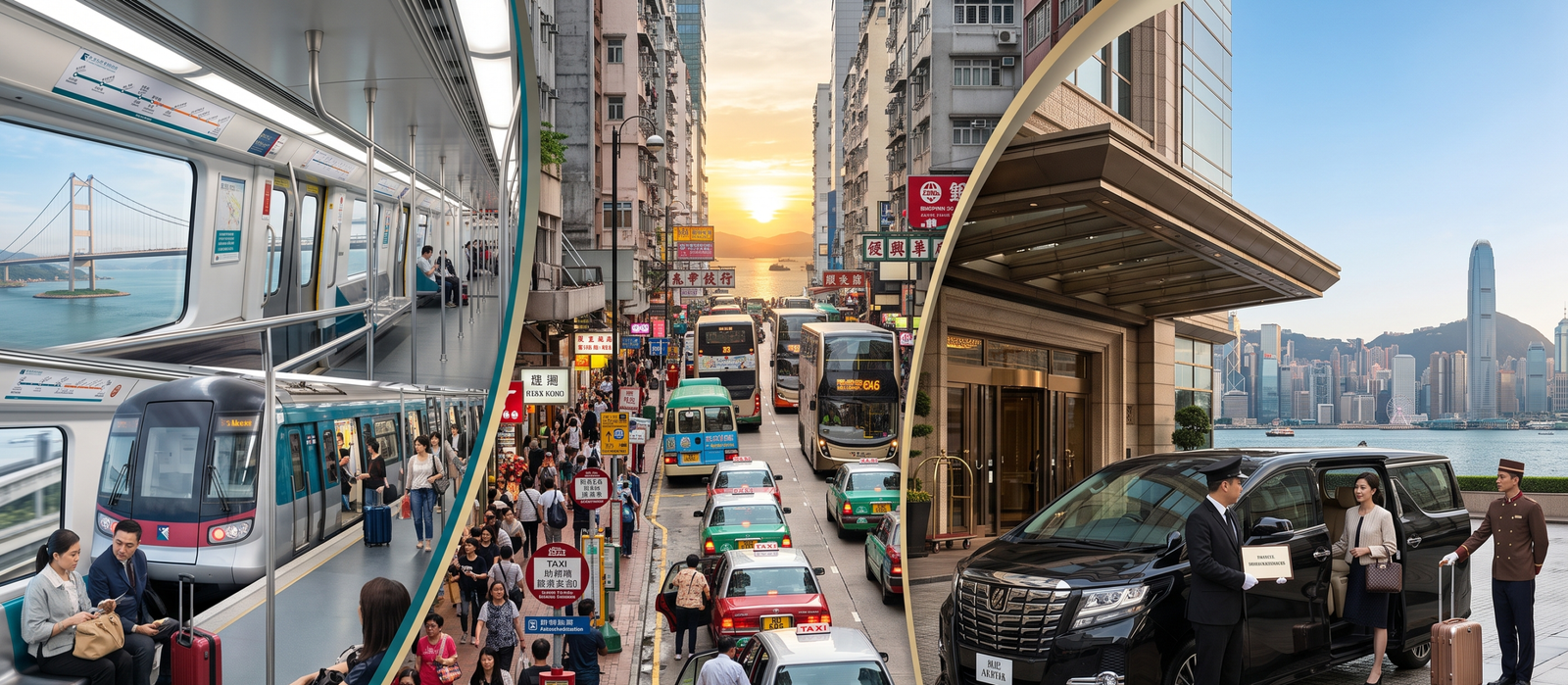
Most hotel transfers in Hong Kong fall into five practical categories: taxi, airport train with onward connection, hotel shuttle where available, private car transfer, and larger private charter for groups. Each works well in the right situation. Each also comes with trade-offs.

Taxis are easy to understand on paper. You land, queue, load bags, and go. For solo travelers or couples staying in a straightforward urban location, that can be perfectly reasonable. The catch is that costs can rise with tolls, luggage, and longer distances, and not every traveler wants to deal with queues during peak arrival hours. If you are arriving late at night or during a stormy day, taxi demand can also feel less predictable than expected.

The Airport Express and connecting public transit can be fast, especially if your hotel sits near a major station. This is often the best value for light packers who are comfortable navigating signs and transfers. But once heavy luggage, young children, older parents, or jet lag enter the picture, public transit stops feeling efficient. A train can be fast in theory and exhausting in practice.

Hotel shuttles can look appealing because they seem direct and prearranged. The issue is that not every hotel offers them, and many operate on fixed schedules, limited routes, or shared passenger timing. If you miss the departure window, the convenience disappears quickly.

Private transfers are usually the easiest door-to-door option. A driver meets you, tracks arrival timing, handles the route, and takes you straight to the hotel. This is especially useful when your trip is built around comfort, limited time, or multiple moving parts. The trade-off is cost, but many travelers find the difference worth it once they factor in convenience, luggage, and peace of mind.

For families, corporate groups, cruise passengers, or anyone carrying a lot of luggage, a private van or minibus often makes more sense than splitting into several taxis. It keeps everyone together and removes the small but real problem of coordinating separate vehicles in an unfamiliar city.

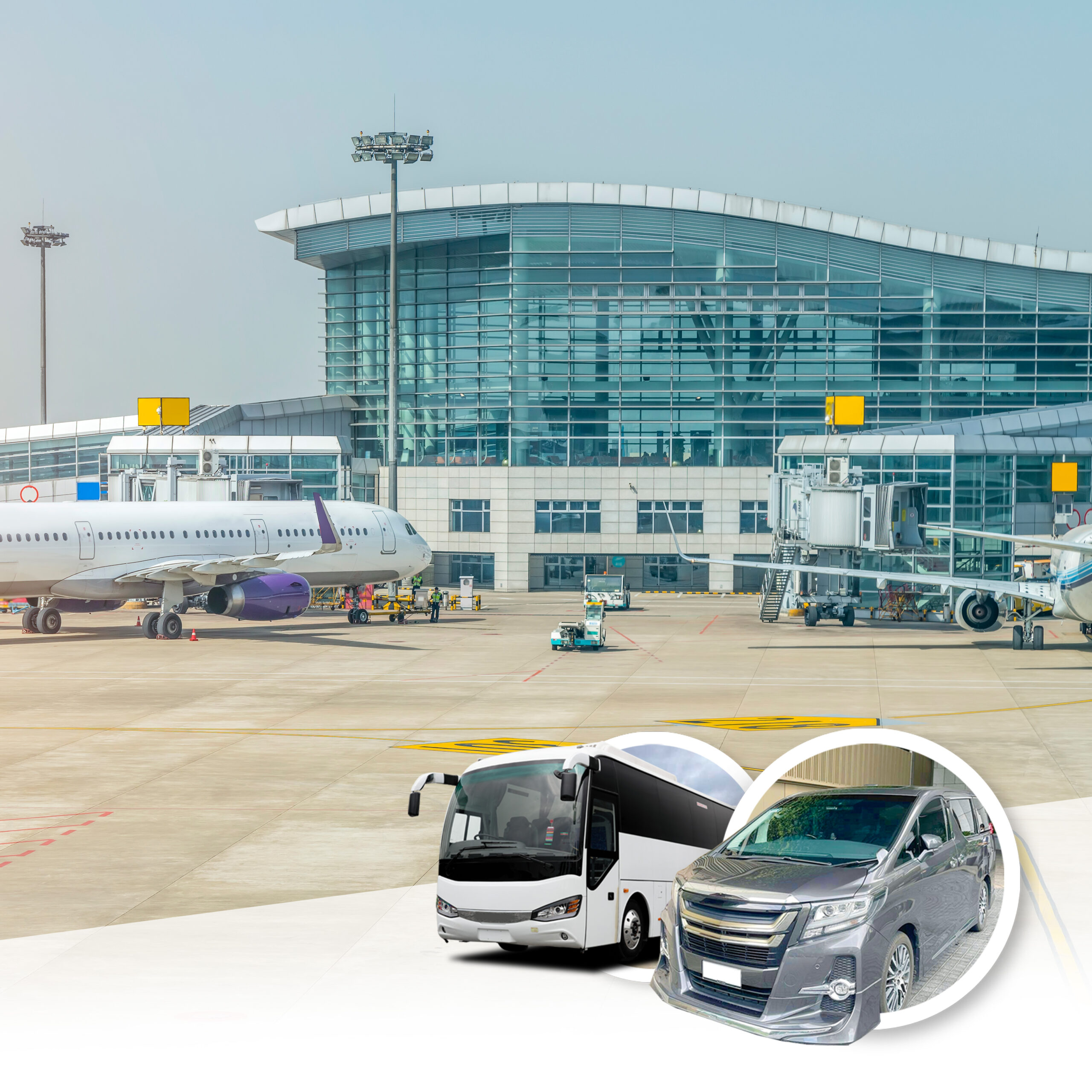
Airport to hotel transfers: what works best

If you are flying into Hong Kong International Airport, your transfer choice usually sets the tone for day one. A business traveler with one carry-on and a hotel in Central has a very different set of needs from a family heading to a resort area with checked bags and tired kids.

For solo or couple travel, public transit can be efficient if you are arriving in daylight, staying near a station, and not carrying much. You will likely spend less, and Hong Kong transit is generally reliable. But this option works best when your hotel is easy to reach from the station. If it still requires a taxi, escalators, or a long walk with luggage, the savings may feel smaller than they looked online.

Taxis suit travelers who want a direct ride without booking ahead. They are straightforward for many city hotels, though final cost can vary depending on route and traffic. If you are arriving with several suitcases or a larger party, one taxi may not be enough.

Private airport transfer is often the strongest option for travelers who want certainty. Your ride is arranged in advance, there is no guesswork about where to go next, and your hotel drop-off is direct. This matters even more after overnight flights, with children, or when arrival time is tight because of dinner reservations, meetings, or same-day sightseeing.

If your hotel stay is only one part of a larger itinerary, private transfer becomes even more valuable. Some travelers are not just going from airport to hotel. They are also planning a day tour, a ferry connection, a cruise embarkation, or a border crossing soon after arrival. In those cases, treating transport as part of the whole trip instead of a one-off ride usually leads to a smoother experience.

Which option fits your travel style?

Families usually benefit most from private transfers. The main reason is not luxury for its own sake. It is control. You can move at your own pace, keep everyone together, and avoid carrying bags through stations while managing kids, strollers, snacks, and fatigue.

Couples have more flexibility. If the trip is short and city-based, a taxi or train may be enough. If it is a special occasion, a premium stay, or a multi-stop itinerary, a private car feels more aligned with the rest of the trip.

Corporate travelers often prioritize reliability over headline price. A prearranged transfer reduces timing risk and helps keep the day structured. It also creates a better first impression when clients, executives, or event attendees are moving together.

Large groups should think beyond per-person cost and focus on coordination. Multiple taxis may seem simple until arrival delays, different routes, and communication gaps start causing problems. A dedicated vehicle or charter is usually more organized and often more comfortable.

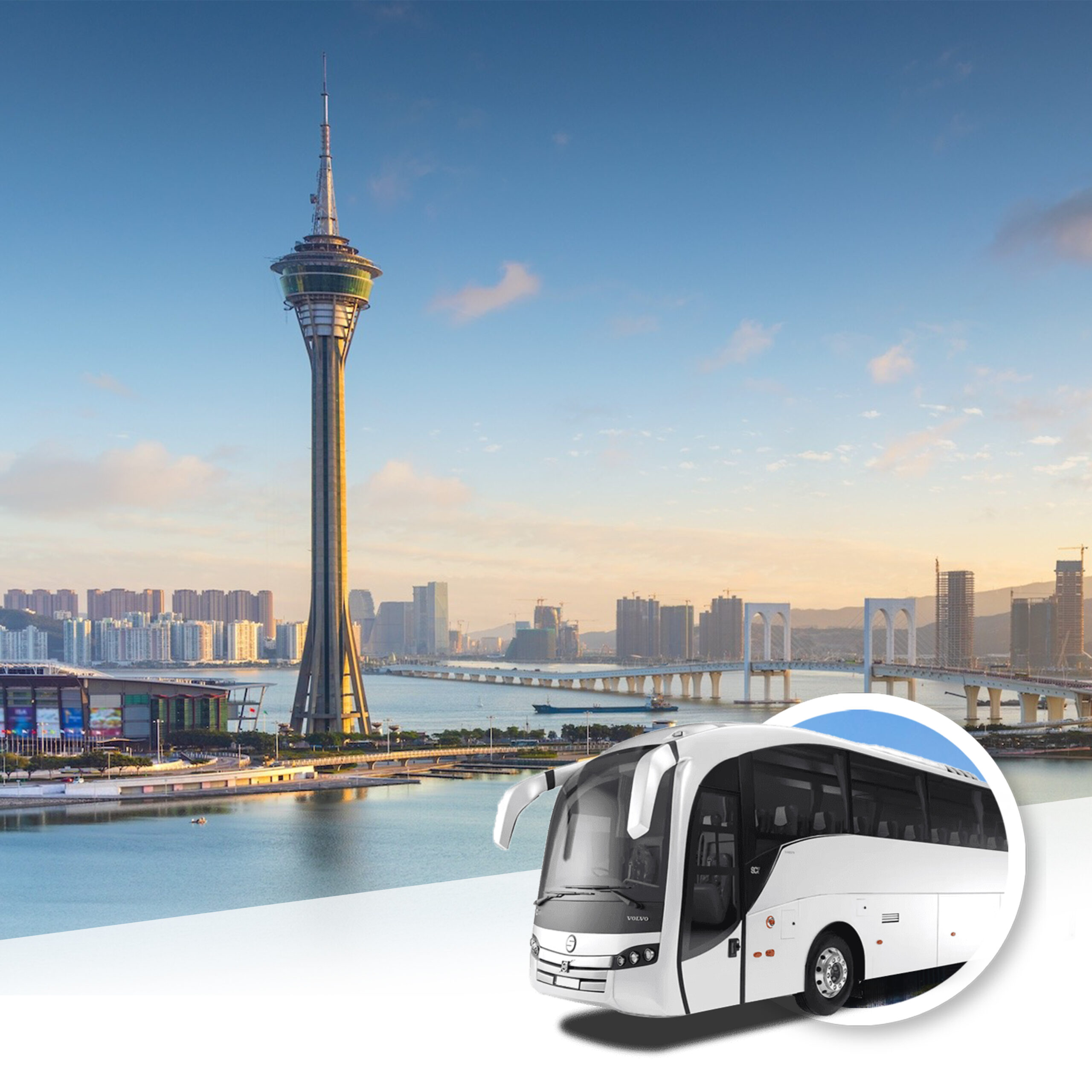
Cruise passengers and cross-border travelers have the most to gain from planning ahead. Port schedules, ferry timing, immigration checkpoints, and baggage handling leave less room for improvisation. A transfer that looks fine for a regular hotel arrival may not be the right fit if you are connecting to Macau or heading onward into mainland China.

When private transfer makes the most sense

Among all Hong Kong hotel transfer options, private service stands out when the trip is built around time efficiency and ease. That does not mean every traveler needs it. It means the value becomes clearer as complexity increases.

Private transfer makes sense when you are arriving late, traveling with children or seniors, carrying large luggage, staying in an area that is less convenient by rail, or trying to connect hotel transport with sightseeing and regional travel. It also makes sense when comfort is part of the reason you booked the trip in the first place.

This is especially true for travelers who do not want transportation to become a separate planning project. If you would rather have one provider organize airport pickup, city transfers, themed day trips, and even onward service to nearby destinations, that is where a company such as MyHKTour fits naturally. The appeal is not only the vehicle. It is the ability to combine logistics with local planning in a way that keeps the trip organized.

Questions to ask before booking

Before choosing a transfer, check a few details that often get overlooked. First, confirm whether the price is fixed or if extra charges can apply for tolls, waiting time, or late-night service. Second, think honestly about luggage. A vehicle that fits four passengers does not always fit four passengers plus four large suitcases.

You should also ask whether the service is point-to-point only or if it allows extra stops. That matters if you need to pick up travel companions, stop at a cruise terminal, or combine hotel drop-off with a sightseeing start. Timing policies are another practical point. Flight delays happen, and a good transfer setup should account for that.

If your trip includes Macau, Shenzhen, or another nearby city, ask whether the operator handles cross-border transport directly or only within Hong Kong. This distinction matters. Regional travel looks close on the map, but the logistics are not the same as a standard airport pickup.

The best transfer is the one that protects your trip

A hotel transfer is easy to treat as a small detail right up until it becomes the first problem of the trip. The right choice is rarely about finding one universally best ride. It is about matching the transfer to your schedule, luggage, group size, and tolerance for uncertainty.

If you enjoy independent transit and are traveling light, simple options can work well. If your trip includes family, premium hotels, business timing, or regional connections, paying for a more direct transfer often buys back the one thing travelers run short on fastest – energy. Start there, and the rest of the trip usually feels easier too.

Related Articles

Related Services

Related Articles

Related Services

Hot Pick Products

Your cart is currently empty.