Interessanter Auflug mit Wissenswertes zu Land, Leute und Kultur
Interessanter Ausflug mit Berücksichtigung von persönlichen Wünschen.
Posted on Tripadvisor
jayeshnee
Verified
Memorable day tour
Alex was absolutely amazing and knowledgeable. We traveled with 2 toddlers and he was great with them. My son loved him. He tailored our trip to meet the needs of our family
Posted on Tripadvisor
Irina S
Verified
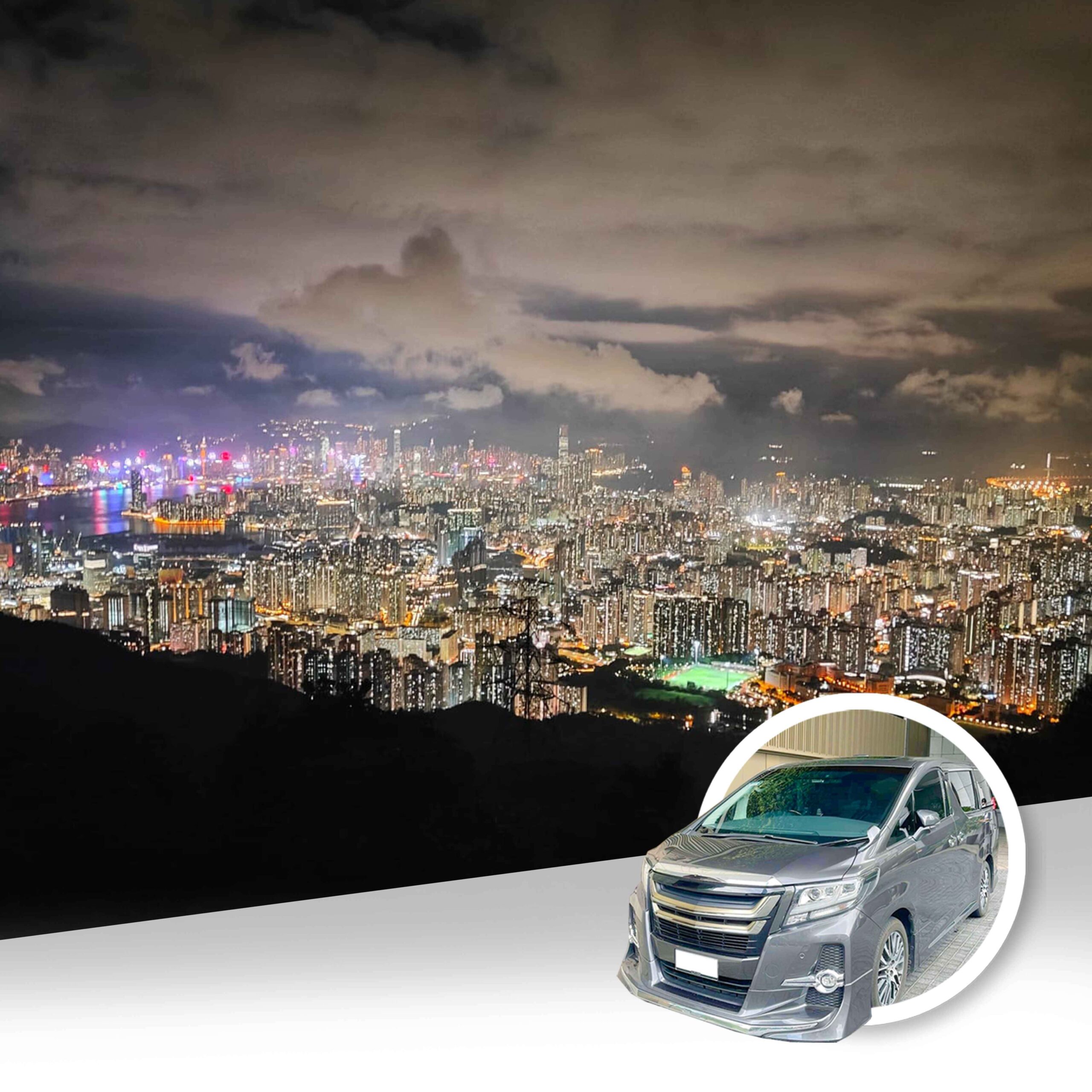
Night tour with Alex
Alex was absolutely wonderful guide, showed us a lot of great places, was very professional and a lot of fun.
Posted on Tripadvisor
Glenn S
Verified
Great Macau tour
Steven was helpful and knowledgeable we had a great day
Posted on Tripadvisor
Kholood A
Verified
Steve was an excellent guide—friendly, knowledgeable, and professional. He made our Hong Kong trip enjoyable, informativ
Steve was an outstanding guide during our time in Hong Kong. He was knowledgeable, professional, and incredibly friendly throughout the entire tour. His insights into the city’s history, culture, and local attractions made the experience both enjoyable and informative. Steve was always attentive to our needs, organized, and happy to answer any questions we had. Thanks to him, we were able to see the best of Hong Kong and learn so much along the way. I highly recommend Steve to anyone looking for a memorable and well-guided experience in Hong Kong. Thank you, Steve, for making our trip so special!
Posted on Tripadvisor
From_Malaysia
Verified
Best stress free HK tour
The vehicle was extremely comfortable and clean. Our guide Alex was incredibly patient and attentive with our family, making sure everyone felt safe and well looked after. Highly recommend their private service! A seamless itinerary and took us to some amazing, authentic local food spots away from the usual tourist traps. Worth every penny for a stress-free trip to Hong Kong!
Posted on Tripadvisor
Aaron M
Verified
The beauty and wonder of Hong Kong past to present. Highly recommend.
Ricky, our guide, went out of his way to confirm expectations well before the morning of our 6 hour tour. When he picked us up he went over the itinerary which was filled with a variety of attractions, asking questions before deciding on the route. He shared stories of Hong Kong past through present as he did an amazing job maneuvering traffic that varied depending where we were. He talked of the geography and because I have a special interest in this – the geology, making a point to take us to areas where I could get a feel for the uniqueness of the beautiful Hong Kong islands. The weather was misty which might have interfered but he was familiar with alternate locations where we got incredible views and experiences. He gave context to what life as a resident was like including the challenges past and present citizens face. He was able to answer every question I had regarding a variety of subjects. Along the way he would confirm whether we were still interested in the various attractions. He gave inside information such as advising us to sit at the front on the top level of the tram and ensured we were comfortable before taking us to a wet market. He was very detailed in his explanations which meant we had full confidence whether he was with us or would be hooking up with us after we toured a location. He was very personable and social which made for a comfortable rewarding experience. I highly recommend this guide to share the beauty and wonder of Hong Kong.
Posted on Tripadvisor
Angelo A
Verified
Our tour guide Bill was amazing.
We had an amazing tour thanks to our guide, Bill. He was incredibly knowledgeable and showed us around Kowloon City and Hong Kong Island, even taking us to dine with the locals. The experience was truly memorable — we captured countless awesome photos and enjoyed exciting adventures we’ll cherish forever. If you’re planning to explore Hong Kong, this tour is an absolute must. We had a fantastic time, and it’s all thanks to Bill. ⭐⭐⭐⭐⭐
Posted on Tripadvisor
Evan
Verified
Great experience
Ricky was very knowledgeable, friendly, and adjusted the tour to our style
Posted on Tripadvisor
Ivo R
Verified
Nice private day tour of Hong Kong
Ricky was excellent driver and tour-guide all in one.I would recommend him to all my friends. He showed us not only the majour tourist attractions but also the hidden gems and real life aspects of Hong Kong
Posted on Google
林豬寳
Trustindex verifies that the original source of the review is Google.
三天的行程 司機ALEX HO都很貼心的安排的很棒!非常推薦
Posted on Google
DogTreff New York
Trustindex verifies that the original source of the review is Google.
Alex was amazing guide! Highly recommend him and the company!
Posted on Google
王小川
Trustindex verifies that the original source of the review is Google.
我們訂購了包車+導遊的服務司機阿娟、導遊小君,兩位美女都很專業喔!團員們都很滿意這次的行程服務~
Posted on Google
S G
Trustindex verifies that the original source of the review is Google.
We had an excellent experience with myHKTour. The transportation was punctual, clean, and spacious, making it comfortable for our family of seven. The tour guides were friendly, professional, and made each trip enjoyable. Every food recommendation was great too. Thumbs up to Mr Alex for the Hong Kong City Tour, Debbie for the Lantau Island Tour, and Mr Loh for the Macau Tour. We highly recommend myHKTour for a well-organized and memorable travel experience.
Posted on Google
Jalila Smiai
Trustindex verifies that the original source of the review is Google.
We had an amazing tour , specially with driver Ricky Wong he was very helpful professional and passionate he took us to different amazing locations.
Posted on Google
Emmanuel Rozier
Trustindex verifies that the original source of the review is Google.
Great experience with Debby our tour guide during our visit of Lantau island. Always available and ready to help finding the best programme ! We really appreciated and highly recommend this programme with myhktour.
Posted on Google
陳奕如
Trustindex verifies that the original source of the review is Google.
這趟旅程謝謝導遊的帶領和講解~讓我們更了解當地的文化風情~很推薦👍
Posted on Google
Dennis Lee
Trustindex verifies that the original source of the review is Google.
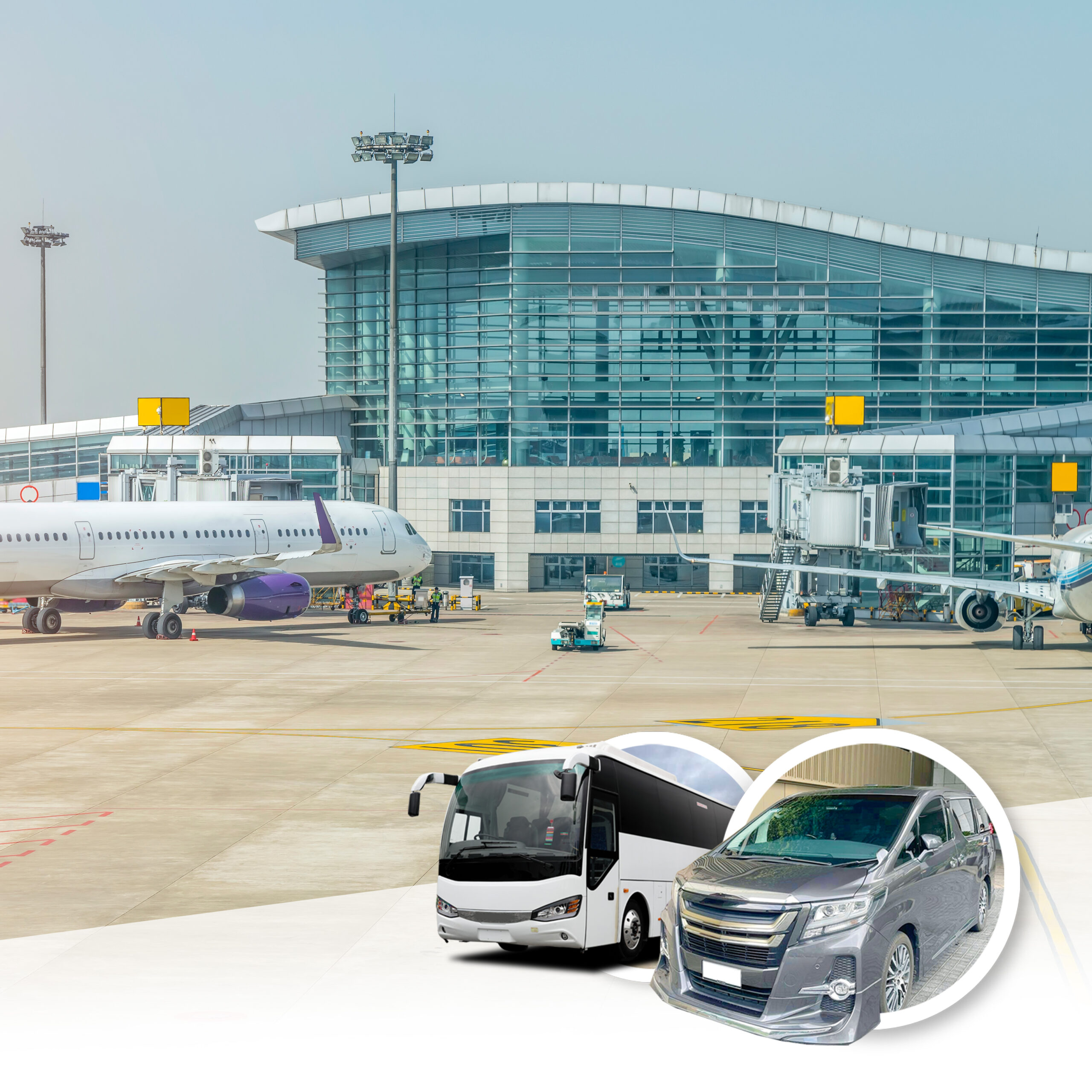
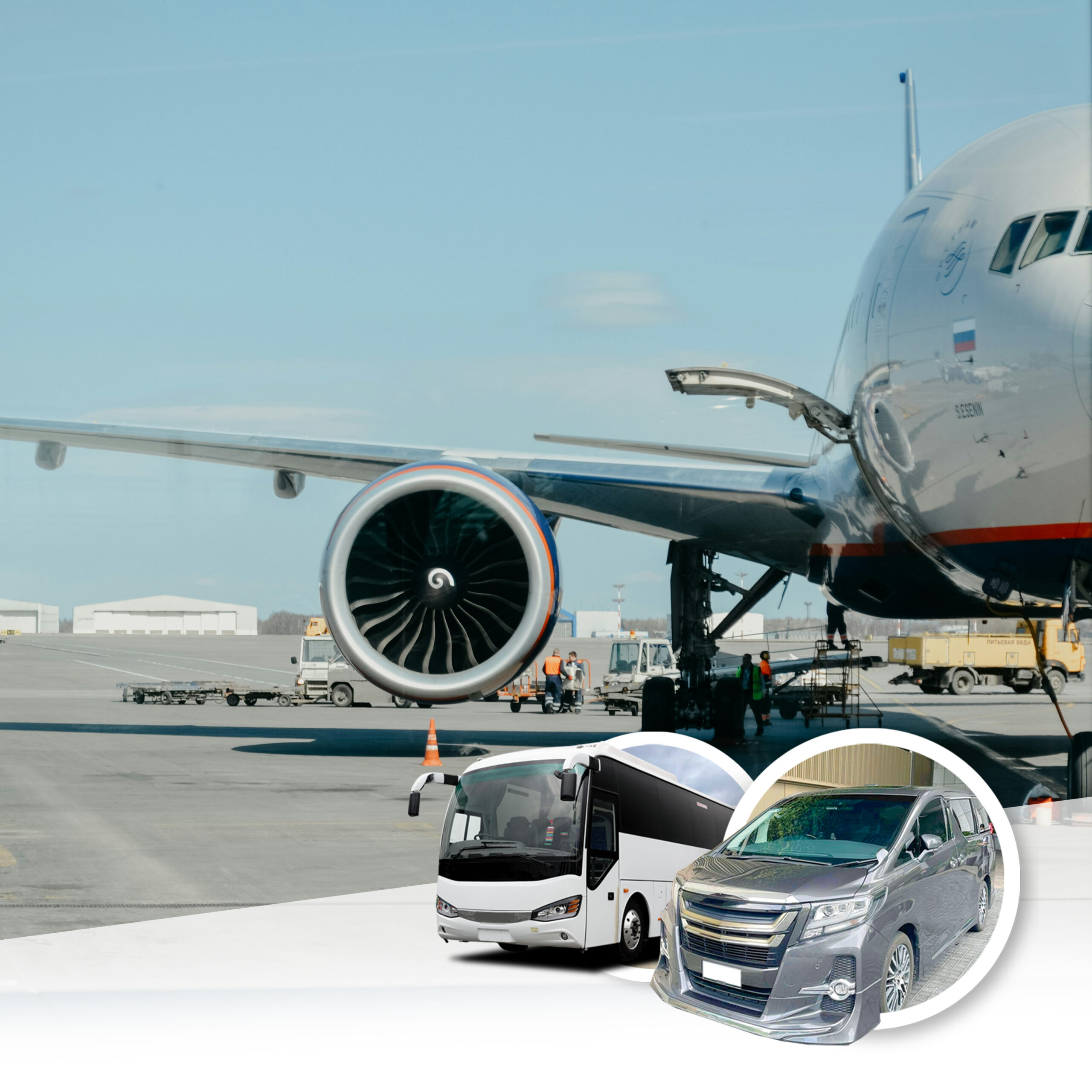
Have engage myhktour to arrange for private car transfer from Macau hotel to HKIA
Prompt reply and good advice given
Helps in making key decisions
On the day of departure
Driver kept me posted of time of his arrival
Drive journey 55 min and arrived at HKIA
He helps with loading and unloading of luggage
He even came earlier,
Told me he just want to be sure
Excellent service
From Dennis Lee
Depart from Broadway Hotel
Date 28 March 2026
Posted on Google
Marshelly Borja
Trustindex verifies that the original source of the review is Google.
I booked them for a private airport transfer. They provided me peace of mind because they answered my questions before I booked. Would recommend them 100%.
Hong Kong
Lorem ipsum dolor sit amet, consectetur adipiscing elit. Ut elit tellus, luctus nec ullamcorper mattis, pulvinar dapibus leo.
Interessanter Auflug mit Wissenswertes zu Land, Leute und Kultur
Interessanter Ausflug mit Berücksichtigung von persönlichen Wünschen.
Posted on Tripadvisor
jayeshnee
Verified
Memorable day tour
Alex was absolutely amazing and knowledgeable. We traveled with 2 toddlers and he was great with them. My son loved him. He tailored our trip to meet the needs of our family
Posted on Tripadvisor
Irina S
Verified
Night tour with Alex
Alex was absolutely wonderful guide, showed us a lot of great places, was very professional and a lot of fun.
Posted on Tripadvisor
Glenn S
Verified
Great Macau tour
Steven was helpful and knowledgeable we had a great day
Posted on Tripadvisor
Kholood A
Verified
Steve was an excellent guide—friendly, knowledgeable, and professional. He made our Hong Kong trip enjoyable, informativ
Steve was an outstanding guide during our time in Hong Kong. He was knowledgeable, professional, and incredibly friendly throughout the entire tour. His insights into the city’s history, culture, and local attractions made the experience both enjoyable and informative. Steve was always attentive to our needs, organized, and happy to answer any questions we had. Thanks to him, we were able to see the best of Hong Kong and learn so much along the way. I highly recommend Steve to anyone looking for a memorable and well-guided experience in Hong Kong. Thank you, Steve, for making our trip so special!
Posted on Tripadvisor
From_Malaysia
Verified
Best stress free HK tour
The vehicle was extremely comfortable and clean. Our guide Alex was incredibly patient and attentive with our family, making sure everyone felt safe and well looked after. Highly recommend their private service! A seamless itinerary and took us to some amazing, authentic local food spots away from the usual tourist traps. Worth every penny for a stress-free trip to Hong Kong!
Posted on Tripadvisor
Aaron M
Verified
The beauty and wonder of Hong Kong past to present. Highly recommend.
Ricky, our guide, went out of his way to confirm expectations well before the morning of our 6 hour tour. When he picked us up he went over the itinerary which was filled with a variety of attractions, asking questions before deciding on the route. He shared stories of Hong Kong past through present as he did an amazing job maneuvering traffic that varied depending where we were. He talked of the geography and because I have a special interest in this – the geology, making a point to take us to areas where I could get a feel for the uniqueness of the beautiful Hong Kong islands. The weather was misty which might have interfered but he was familiar with alternate locations where we got incredible views and experiences. He gave context to what life as a resident was like including the challenges past and present citizens face. He was able to answer every question I had regarding a variety of subjects. Along the way he would confirm whether we were still interested in the various attractions. He gave inside information such as advising us to sit at the front on the top level of the tram and ensured we were comfortable before taking us to a wet market. He was very detailed in his explanations which meant we had full confidence whether he was with us or would be hooking up with us after we toured a location. He was very personable and social which made for a comfortable rewarding experience. I highly recommend this guide to share the beauty and wonder of Hong Kong.
Posted on Tripadvisor
Angelo A
Verified
Our tour guide Bill was amazing.
We had an amazing tour thanks to our guide, Bill. He was incredibly knowledgeable and showed us around Kowloon City and Hong Kong Island, even taking us to dine with the locals. The experience was truly memorable — we captured countless awesome photos and enjoyed exciting adventures we’ll cherish forever. If you’re planning to explore Hong Kong, this tour is an absolute must. We had a fantastic time, and it’s all thanks to Bill. ⭐⭐⭐⭐⭐
Posted on Tripadvisor
Evan
Verified
Great experience
Ricky was very knowledgeable, friendly, and adjusted the tour to our style
Posted on Tripadvisor
Ivo R
Verified
Nice private day tour of Hong Kong
Ricky was excellent driver and tour-guide all in one.I would recommend him to all my friends. He showed us not only the majour tourist attractions but also the hidden gems and real life aspects of Hong Kong
Posted on Google
林豬寳
Trustindex verifies that the original source of the review is Google.
三天的行程 司機ALEX HO都很貼心的安排的很棒!非常推薦
Posted on Google
DogTreff New York
Trustindex verifies that the original source of the review is Google.
Alex was amazing guide! Highly recommend him and the company!
Posted on Google
王小川
Trustindex verifies that the original source of the review is Google.
我們訂購了包車+導遊的服務司機阿娟、導遊小君,兩位美女都很專業喔!團員們都很滿意這次的行程服務~
Posted on Google
S G
Trustindex verifies that the original source of the review is Google.
We had an excellent experience with myHKTour. The transportation was punctual, clean, and spacious, making it comfortable for our family of seven. The tour guides were friendly, professional, and made each trip enjoyable. Every food recommendation was great too. Thumbs up to Mr Alex for the Hong Kong City Tour, Debbie for the Lantau Island Tour, and Mr Loh for the Macau Tour. We highly recommend myHKTour for a well-organized and memorable travel experience.
Posted on Google
Jalila Smiai
Trustindex verifies that the original source of the review is Google.
We had an amazing tour , specially with driver Ricky Wong he was very helpful professional and passionate he took us to different amazing locations.
Posted on Google
Emmanuel Rozier
Trustindex verifies that the original source of the review is Google.
Great experience with Debby our tour guide during our visit of Lantau island. Always available and ready to help finding the best programme ! We really appreciated and highly recommend this programme with myhktour.
Posted on Google
陳奕如
Trustindex verifies that the original source of the review is Google.
這趟旅程謝謝導遊的帶領和講解~讓我們更了解當地的文化風情~很推薦👍
Posted on Google
Dennis Lee
Trustindex verifies that the original source of the review is Google.
Have engage myhktour to arrange for private car transfer from Macau hotel to HKIA
Prompt reply and good advice given
Helps in making key decisions
On the day of departure
Driver kept me posted of time of his arrival
Drive journey 55 min and arrived at HKIA
He helps with loading and unloading of luggage
He even came earlier,
Told me he just want to be sure
Excellent service
From Dennis Lee
Depart from Broadway Hotel
Date 28 March 2026
Posted on Google
Marshelly Borja
Trustindex verifies that the original source of the review is Google.
I booked them for a private airport transfer. They provided me peace of mind because they answered my questions before I booked. Would recommend them 100%.