The fastest way to turn a family vacation into a tiring one is to plan Hong Kong as if every attraction sits next door to the next. It does not. If you are figuring out how to organize a family Hong Kong trip, the real skill is not adding more to the itinerary. It is choosing the right pace, the right base, and the right transport so each day feels manageable for both kids and adults.
Hong Kong works especially well for families because the city gives you very different kinds of days in a short distance. You can do a skyline day, a theme park day, a cultural neighborhood day, a beach day, or a quieter island outing without needing a long domestic flight in between. But that flexibility also creates a common planning mistake: families try to fit all of it into three or four packed days. The better approach is to build around energy levels, travel times, and meal breaks first, then place the sightseeing inside that structure.
How to organize a family Hong Kong trip without overpacking it
Start with trip length. For most families, four to six days in Hong Kong is the sweet spot. Four days works if your priority is the city itself and one major attraction such as Disneyland or Ocean Park. Five to six days gives you room for a slower rhythm, especially if you are traveling with younger children, grandparents, or a mixed-age group with very different interests.
Then choose your anchor experiences. A family trip usually runs better with one main activity per day and one lighter add-on, not three headline stops back to back. For example, a morning at Hong Kong Disneyland pairs well with an easy dinner and early return, but not with a late-night harbor schedule. A day in Central and Victoria Peak can work nicely with a waterfront walk, but adding museums, shopping, and a second long transfer often pushes it too far.
This is where families benefit from being honest about their travel style. Some children can handle full sightseeing days with minimal downtime. Others need hotel breaks, familiar snacks, and shorter transfer windows. Neither is better. It just changes how you should build the plan.
Pick the right area to stay
Your hotel location affects almost everything: wake-up time, stroller handling, meal options, and how easy it is to reset during the day. Families often do best in Tsim Sha Tsui, Central, or areas with strong transport connections and plenty of dining nearby.
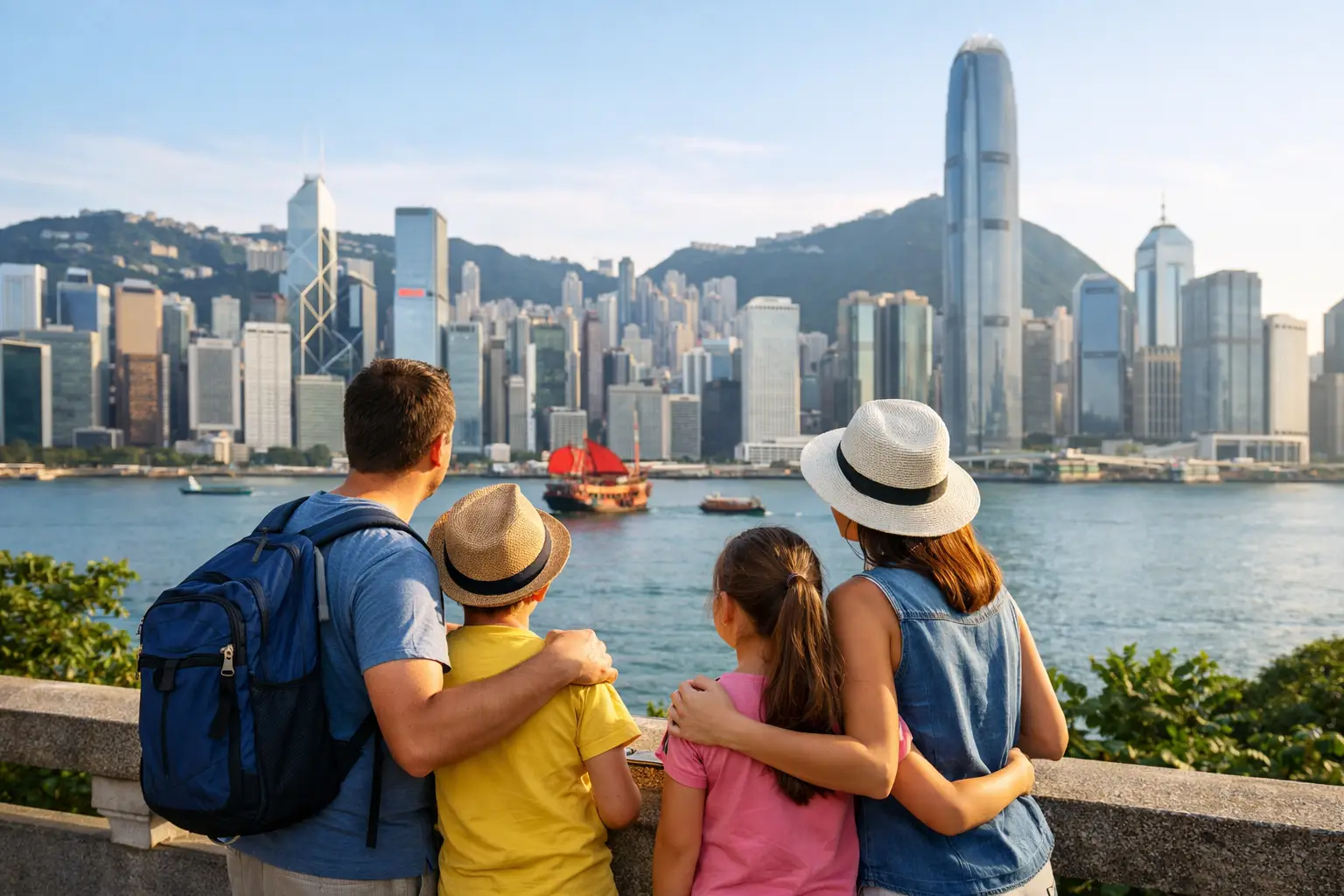
Tsim Sha Tsui is convenient if you want harbor views, shopping, ferries, and easy access to Kowloon attractions. It suits first-time visitors well because there is always something close by, and evening walks are easy. Central works better for families who want a polished base, strong hotel inventory, and quick access to Peak, ferries, and key urban sights. If Disneyland is a major priority, staying near the resort for part of the trip can make sense, but it is usually less practical as a base for the whole visit unless the park is your main focus.
When comparing hotels, think beyond room photos. Check bed configuration, family room options, connecting rooms, breakfast practicality, and whether you can easily get in and out with luggage or a stroller. In a city where streets can be busy and hotel footprints can be compact, these small details matter more than travelers expect.
Build each day around real travel time
One of the best ways to organize a family Hong Kong trip is to stop measuring days only by attraction count. Measure them by transitions. The more often you change districts, change transport modes, or cross the city at peak times, the more energy the day consumes.
A useful planning rule is to group activities by area. If you are spending the morning on Hong Kong Island, keep the afternoon there unless there is a strong reason to move. If your family is in Kowloon for museums, markets, or waterfront stops, let that be your zone for the day. This reduces backtracking and helps meals happen at the right time rather than whenever you finally arrive somewhere.
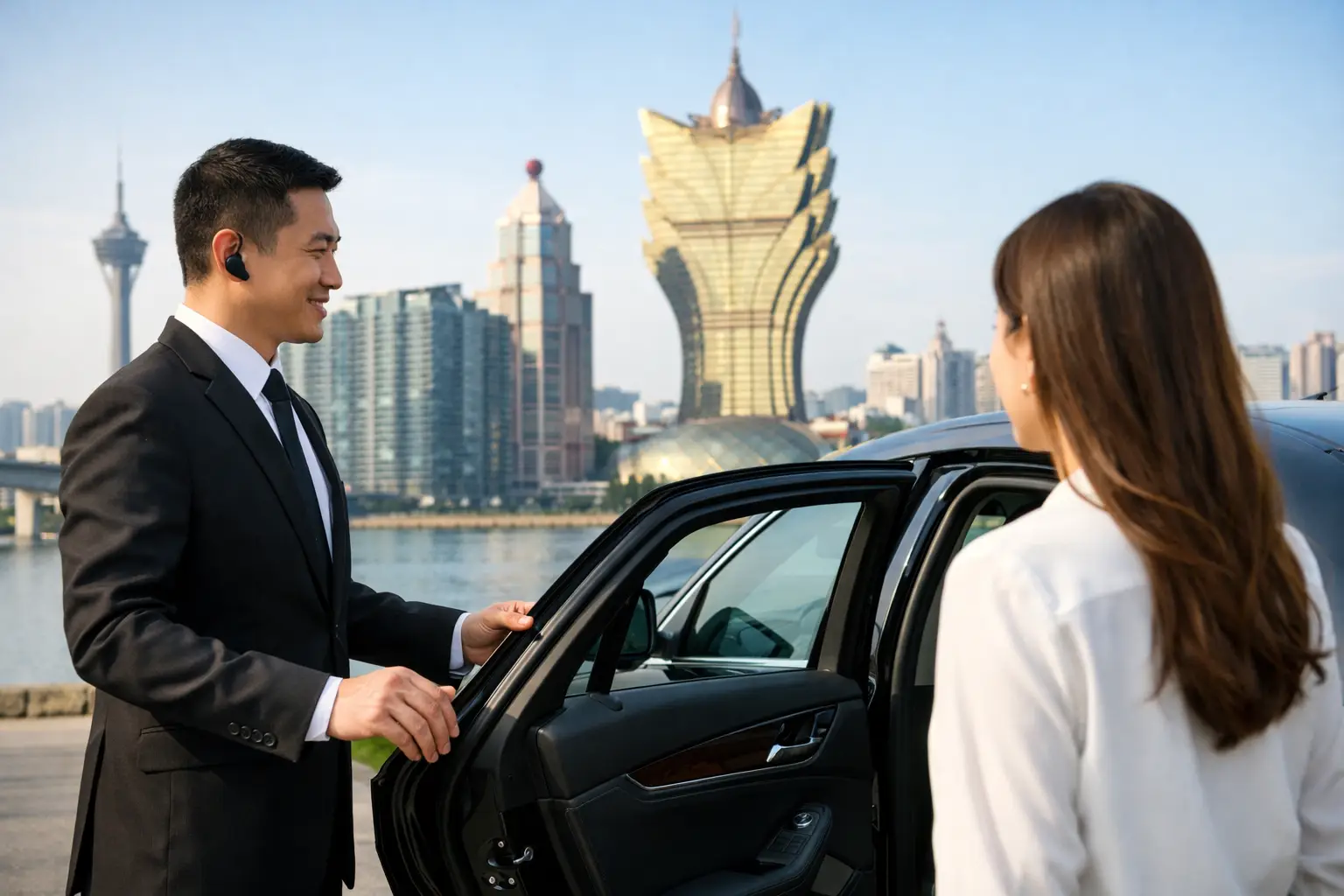
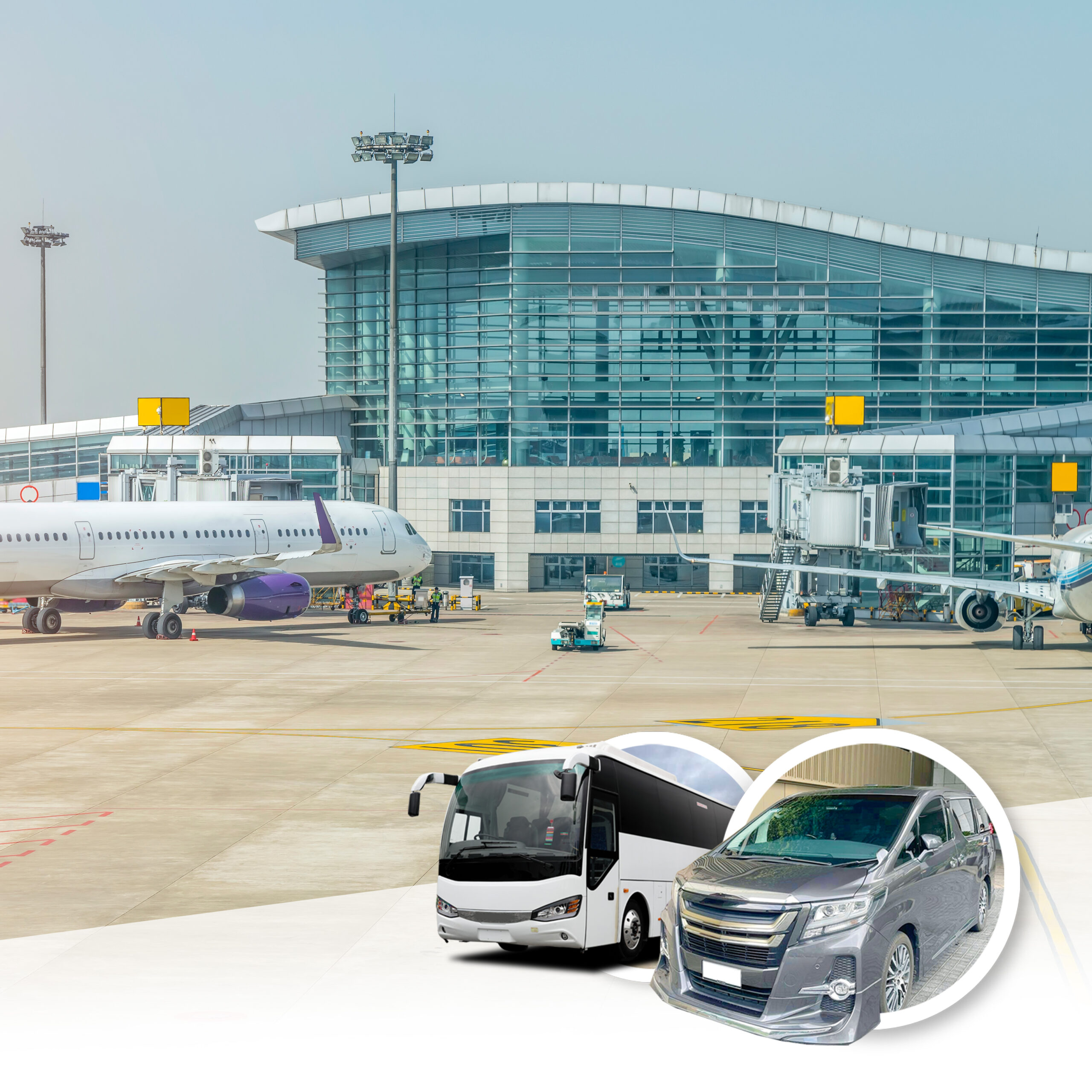
Private transport becomes especially helpful when your group includes small children, older relatives, or multiple bags. Public transit in Hong Kong is efficient, but efficient does not always mean easy for families at the exact moment you need it. After a long flight, after fireworks, after a theme park day, or when crossing between destinations with children who are already tired, direct transfers can save more than time. They save patience.
Choose attractions for your family, not for a checklist
Hong Kong has enough variety that most families can build a trip that feels personal. The key is not assuming every famous stop belongs on your plan.
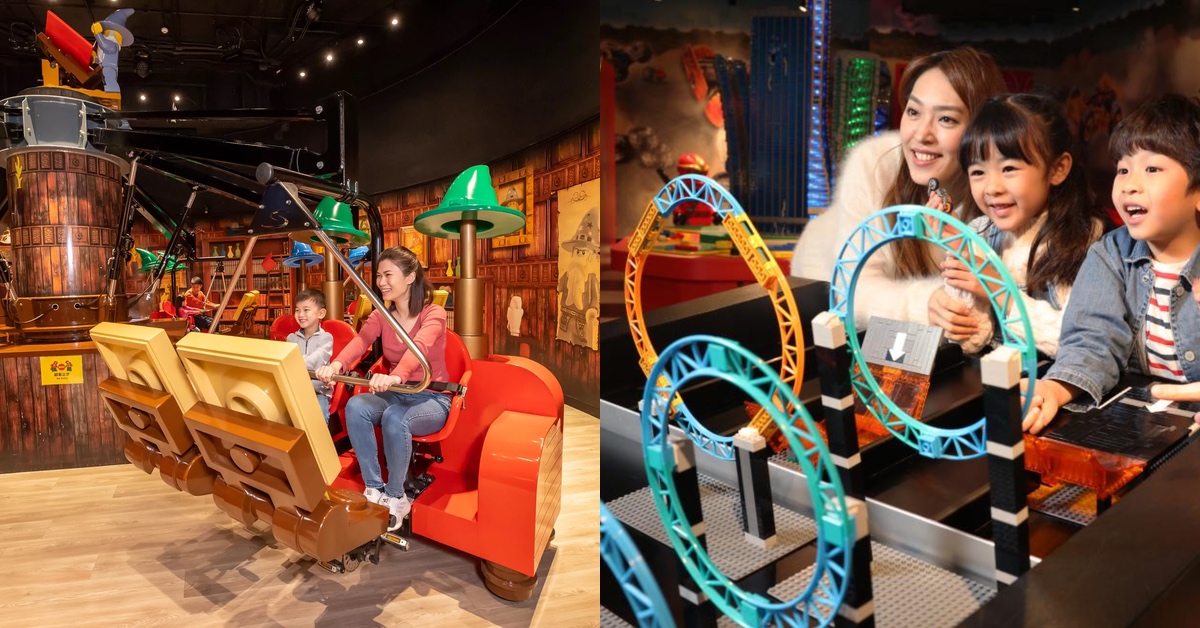
For families with younger kids, Disneyland usually offers the most straightforward full-day experience. Ocean Park can be great too, but it tends to work best for families who want a mix of rides, animals, and larger grounds. The Peak remains a strong choice for almost everyone, though timing matters. Going earlier in the day can be easier than trying to manage the evening rush with tired children.
If your family enjoys culture more than rides, consider a day with temples, local food neighborhoods, street markets, or Lantau-focused sightseeing. If grandparents are part of the trip, scenic drives and gentler waterfront areas often work better than aggressive walking schedules. If teenagers are traveling with you, they may care as much about city views, shopping districts, and photo spots as traditional family attractions.
This is where customization matters. A well-planned family trip should feel balanced, not generic. If one child loves animals, another wants shopping time, and the adults care about food and history, that mix can be built into the schedule. It just takes discipline not to treat every day like a race.
Meals, breaks, and the hidden parts of a good itinerary
Families rarely remember a trip fondly because they squeezed in one more attraction. They remember whether the days felt smooth. Good meal timing is part of that. Hong Kong has excellent dining, but lines, unfamiliar menus, and busy service periods can be hard with young children or larger groups. It helps to identify easy lunch zones in advance and keep dinner flexible on heavier sightseeing days.
Also plan for recovery time. This is especially important if you are arriving from the US or another long-haul market. Jet lag changes everything for the first day or two. Instead of pushing a full sightseeing schedule right after arrival, keep the first afternoon simple. A harbor walk, an early dinner, and a short private city orientation can work far better than trying to do a major attraction while everyone is running on airport energy.
Even on later days, a hotel reset can be worth more than another stop. Families sometimes resist this because it feels inefficient. In practice, it often makes the evening much better.
How to organize a family Hong Kong trip with easier transport
Transport planning is where family itineraries either hold together or start to slip. Hong Kong is very connected, but families need to think about comfort as much as coverage. Airport arrival, hotel check-in, theme park transfers, and evening returns are the moments when logistics matter most.
If you are traveling as a small family with light bags and confident transit habits, trains and taxis may be enough. If you are traveling with grandparents, several children, multiple suitcases, or a day-by-day custom schedule, a pre-arranged vehicle is often the cleaner option. It reduces wait time, minimizes confusion, and lets the day move at your family’s pace.
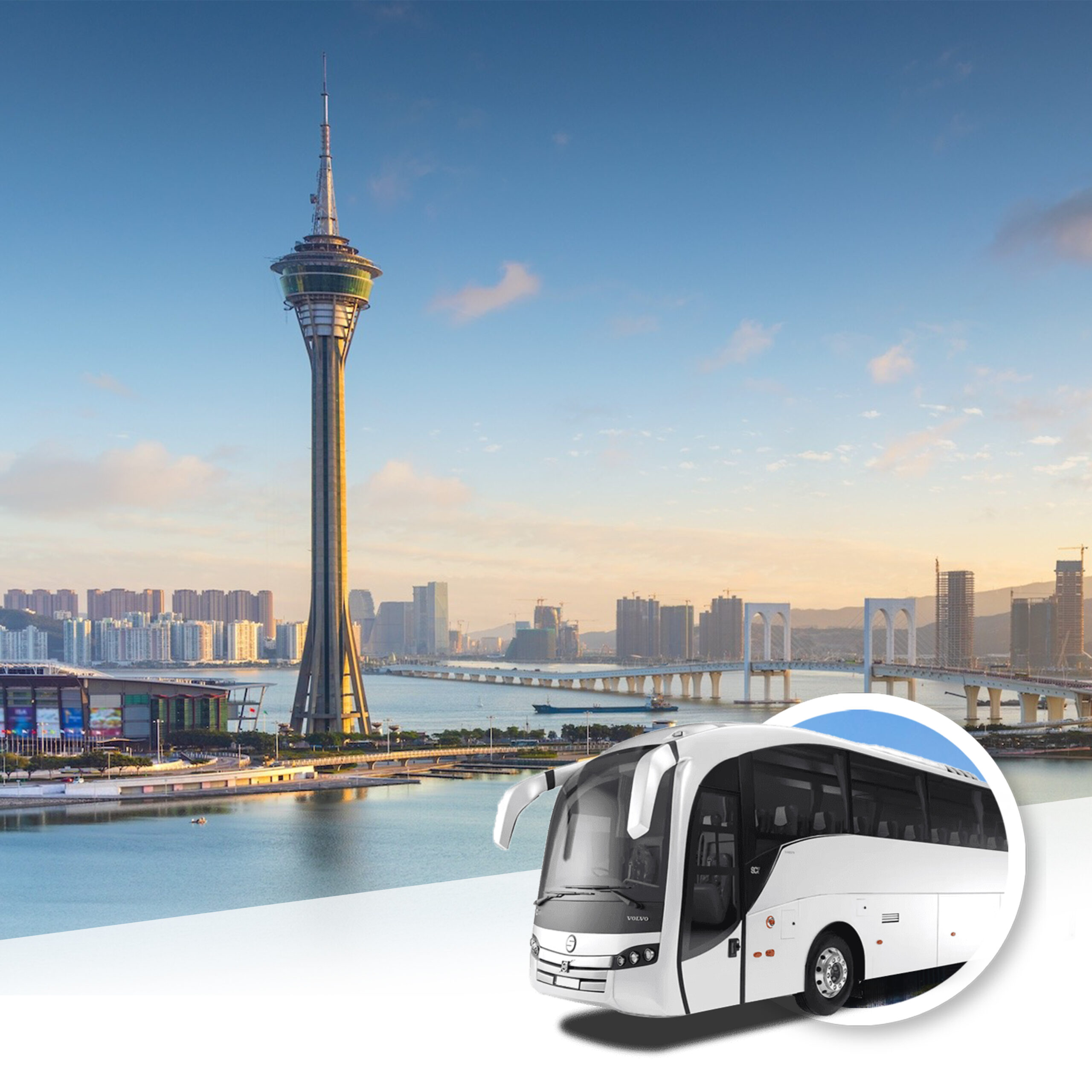
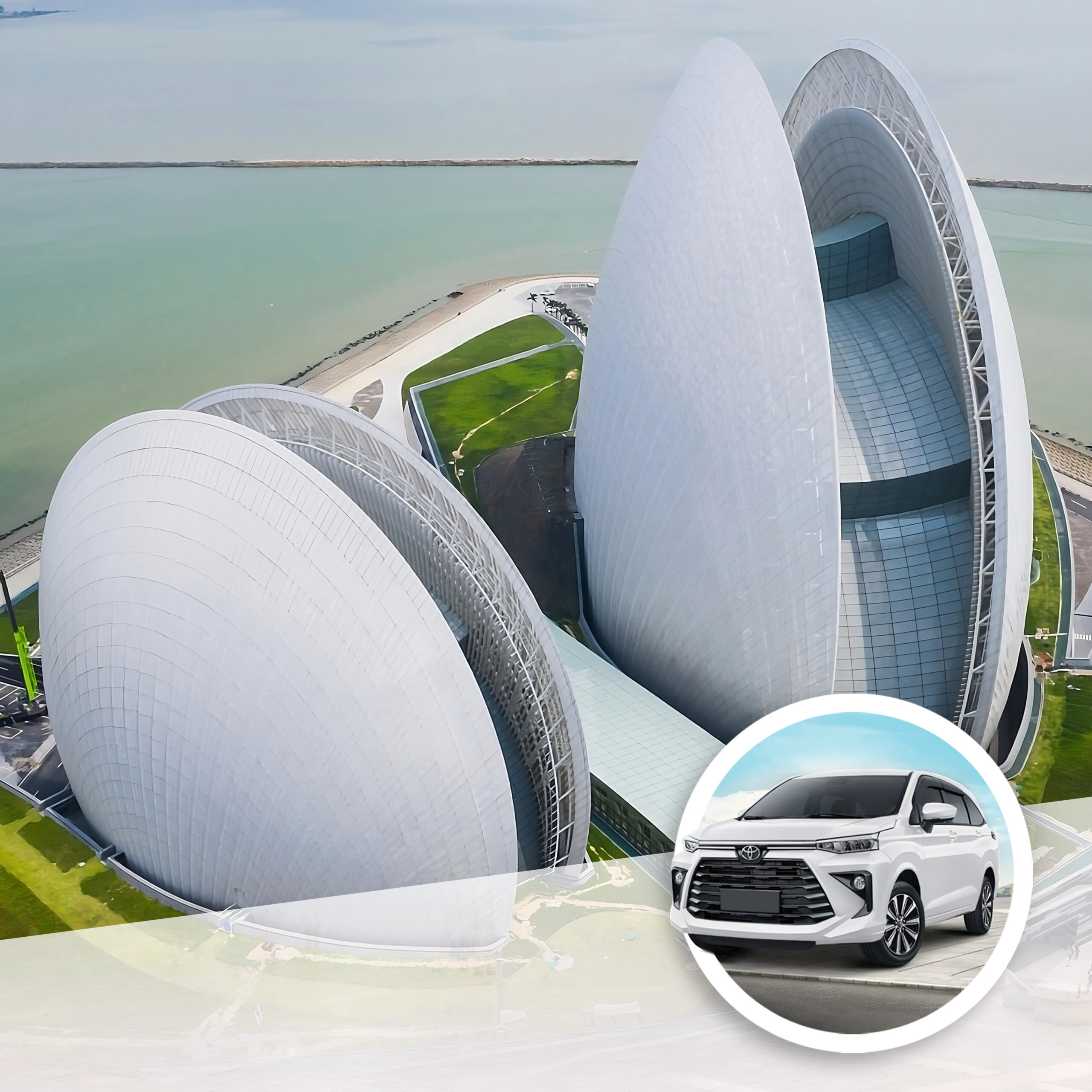
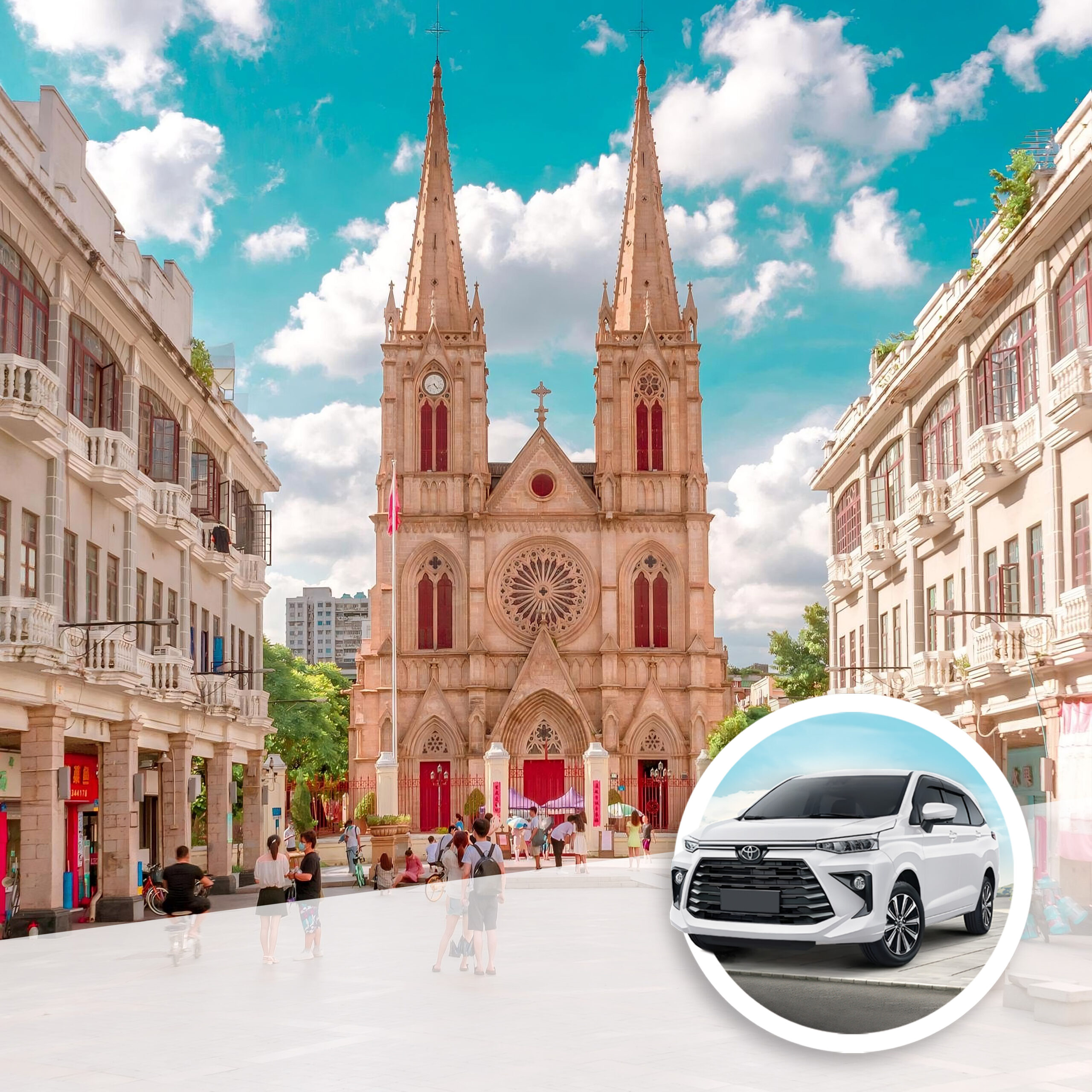
This matters even more if your trip includes more than Hong Kong. Many travelers want to pair the city with Macau, Shenzhen, Zhuhai, or Guangzhou. Those combinations can be excellent for families, but only when the transfers are planned properly. Border crossings, ferry timings, vehicle capacity, and luggage handling add complexity very quickly. A private, coordinated approach is often the difference between a multi-city family trip that feels exciting and one that feels fragmented.
Leave room for weather and mood changes
Hong Kong is not a destination you should plan too rigidly. Heat, rain, and humidity can shape the day more than expected, especially in warmer months. Children also change pace quickly. A day that looked easy on paper can suddenly need an indoor backup, an earlier meal, or a simplified route.
The smart move is to keep one or two parts of the itinerary flexible. Put your most time-sensitive bookings first, then leave space around them. If the weather turns, switch to indoor attractions, covered shopping areas, or a more relaxed dining-led afternoon. If everyone is feeling great, add a scenic stop or evening view. Good planning does not mean locking every hour. It means making adjustments without stress.
When extra help is worth paying for
Not every family needs full-service planning. Some are comfortable booking their own hotel, managing transit, and selecting activities as they go. But families who value comfort, privacy, and time efficiency often find that local support pays off quickly. That is especially true for first-time visitors, larger family groups, and trips that combine sightseeing with transfers or cross-border travel.
A provider like MyHKTour can be especially useful when you want the trip organized around your family instead of around fixed schedules. Private transport, local planning knowledge, and tailored routing make a noticeable difference when the goal is not just seeing Hong Kong, but seeing it comfortably.
The best family trips here do not feel rushed or random. They feel easy in a city that can otherwise move very fast. If you plan around your family’s energy, choose fewer but better-fit experiences, and treat logistics as part of the vacation instead of an afterthought, Hong Kong becomes much simpler to enjoy.