The best Macau artsy & aesthetic travel route for creatives starts before the first photo. It starts with pacing. Macau is compact, but the visual layers are dense – Portuguese tiles, pastel facades, incense-heavy temples, glossy casino interiors, quiet alleys, old signage, and waterfront light that shifts fast. If you try to cover everything, the day turns into a checklist. If you move with intention, Macau gives you texture.
This route is built for travelers who care about atmosphere as much as landmarks. It works especially well for photographers, designers, illustrators, architects, and anyone who likes cities with contrast. The idea is simple: group the most visually rewarding areas into a smooth private day route, keep transit friction low, and leave enough room to actually notice details.
How to plan a Macau artsy & aesthetic travel route for creatives
For most visitors, a full day is the sweet spot. Half a day can cover two or three strong visual districts, but it feels rushed if you also want cafe time or museum time. A full day lets you move from heritage streets to contemporary design spaces without spending your energy figuring out transfers, stairs, or taxi availability.
Morning is best for Macau Peninsula. The light is softer, the streets are quieter, and the older neighborhoods feel more cinematic before the day gets busy. Save Cotai for later, when you want polished interiors, dramatic scale, and a more modern visual finish.
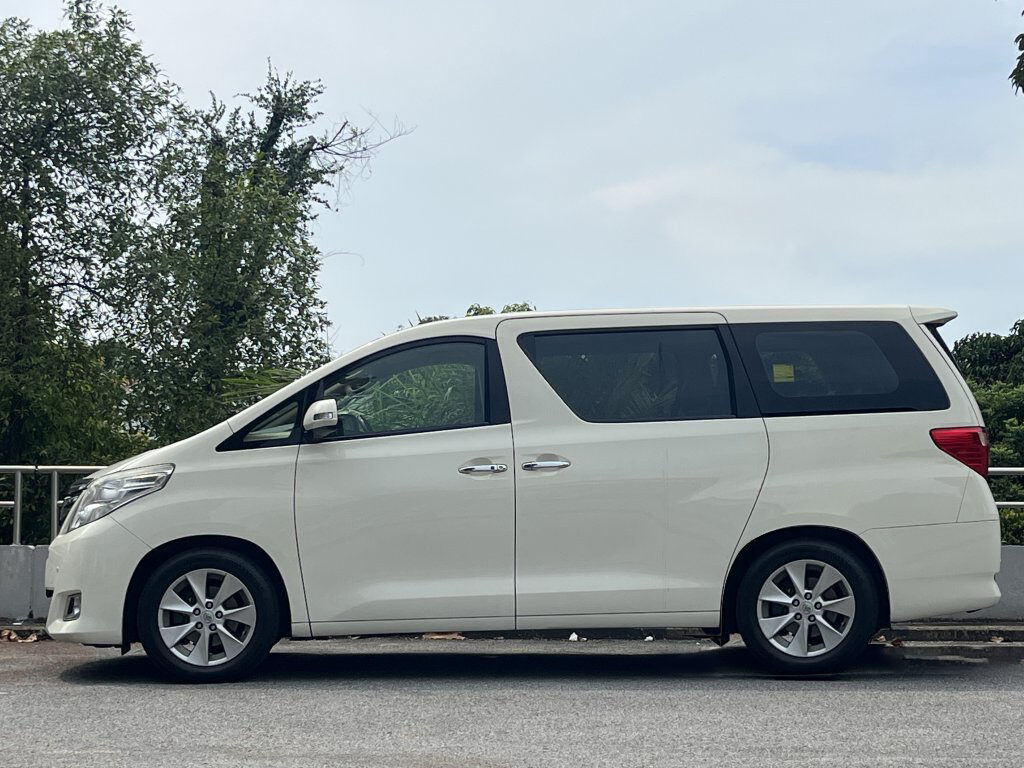
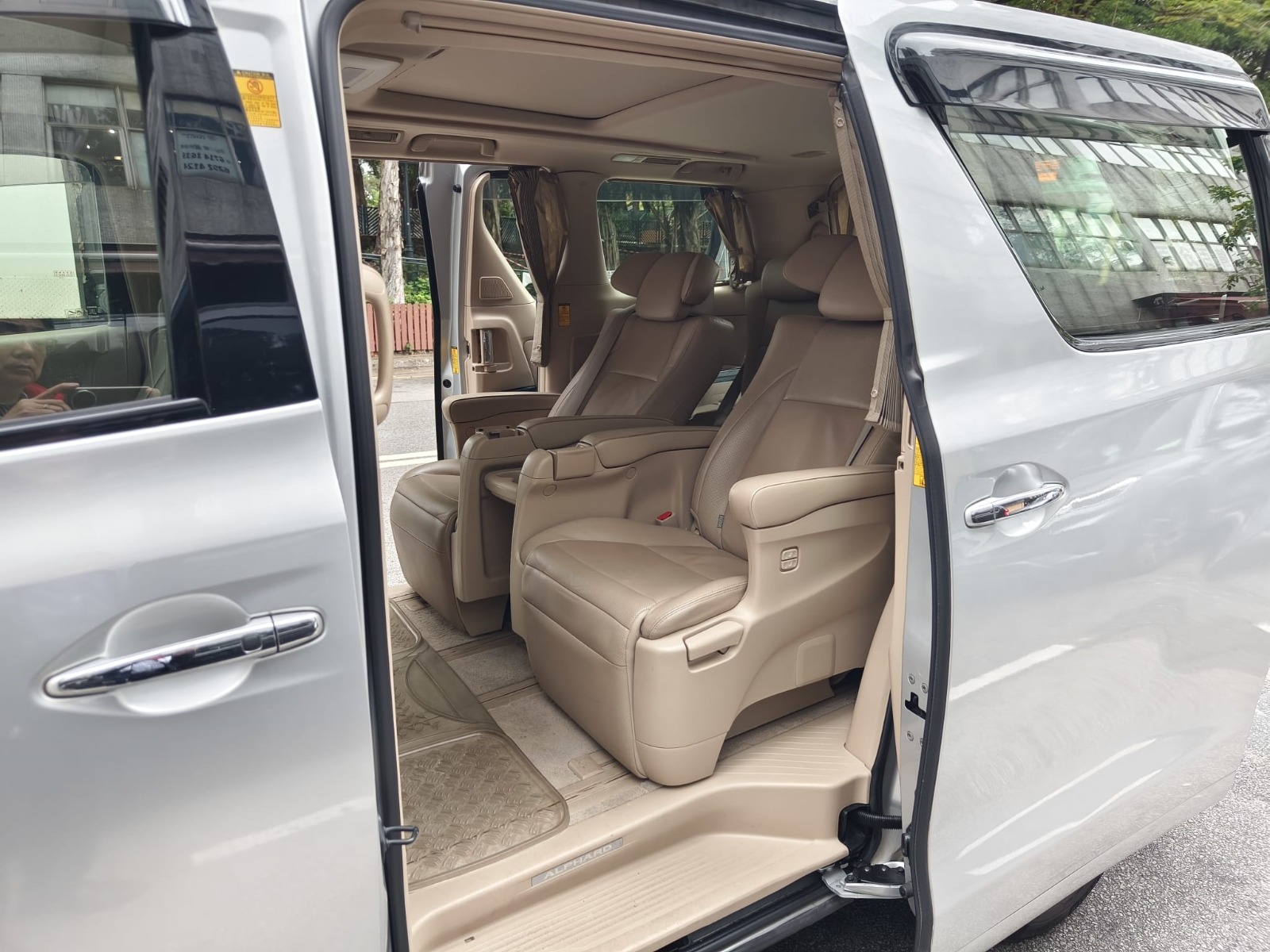
A private route also makes more sense here than people expect. Macau is small, but creative travelers usually stop often. You pause for facades, textures, shadows, window grids, hand-painted signs, and staircases that are not on standard sightseeing agendas. That kind of travel works better when the day is flexible.
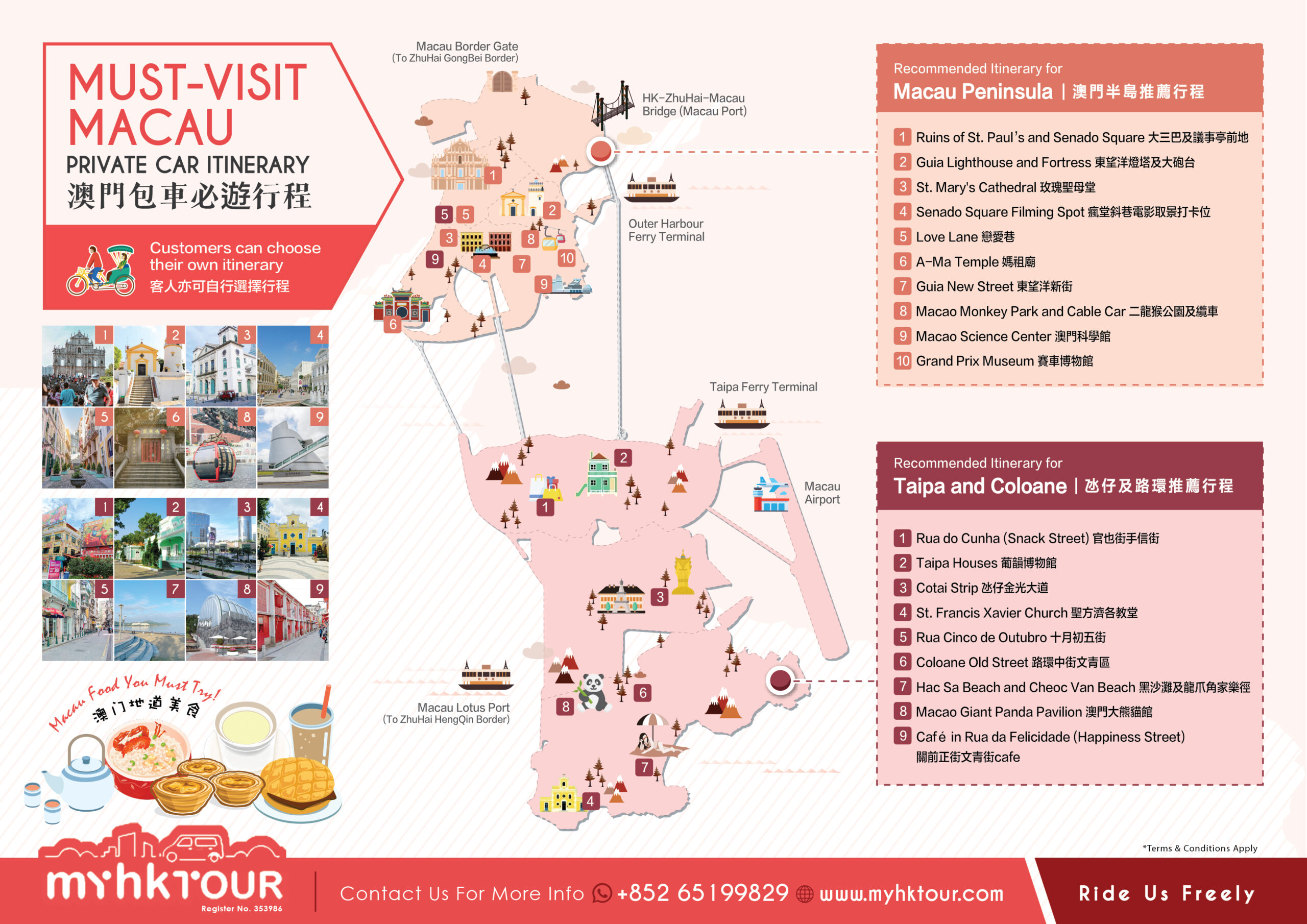
Stop 1: Praia do Manduco and the quiet pastel start
Start in the Praia do Manduco area, where Macau still feels residential and gently worn-in. This part of the city suits creatives because it is less performative than the headline attractions. The buildings carry color naturally. Shuttered windows, faded walls, tiled fronts, balconies, and narrow corners all create that layered look that works on camera without much effort.
This is a good place to begin if you like visual storytelling rather than postcard shots. The charm is in the small compositions. A doorway next to a potted plant. Laundry above an old street sign. Light reflecting off pale yellow and mint walls. The route does not need spectacle right away.
If you sketch or shoot film, spend longer here. The pace is slow, and that matters.
Stop 2: St. Lawrence area for symmetry and street texture
From there, continue toward St. Lawrence area. The church and surrounding streets give you one of the cleanest heritage compositions in Macau. You get symmetry, steps, classic detailing, and a calm square that frames shots well without too much clutter.
What makes this stop useful is the contrast between formal architecture and lived-in side streets nearby. In a short walk, you can move from elegant colonial lines to local shopfronts and textured walls. For designers and photographers, that variety helps the route feel richer without adding extra distance.
This is also where many travelers realize Macau is not only about casinos or famous ruins. The city has a visual rhythm that rewards slower observation.
Stop 3: Senado Square and the surrounding lanes
Senado Square is obvious, but skipping it would be a mistake. Yes, it is busy. Yes, it is one of the most photographed places in Macau. But it still deserves a place on an arts-focused route because the wave-pattern pavement, pastel civic buildings, and layered street frontage create a strong visual identity you will not confuse with anywhere else.
The trick is not to stay only in the center. Use Senado Square as a base, then step into the side lanes. That is where creatives usually find the frames they keep – tiled thresholds, old typography, shop signs, narrow passages, and color pairings that feel accidental in the best way.
If you want polished travel photos, stay in the square. If you want images with personality, wander the edges.
Stop 4: Ruins of St. Paul’s, but take the back approach
The Ruins of St. Paul’s can feel crowded and obvious, but the route matters. Approaching from the surrounding streets instead of treating it as a single check-in spot changes the experience. The stone facade is dramatic, but the climb, the shadows, and the sequence of older lanes around it make the stop more interesting for creative visitors.
The facade itself is graphic and high-contrast, which works beautifully for black-and-white shots or architectural detail studies. The trade-off is crowd density. If you want a cleaner frame, arrive earlier. If your style leans more documentary and people-centered, later hours can actually add energy.
Right nearby, small side streets often produce more usable visual material than the landmark itself.
Stop 5: A museum or gallery break for visual context
A good aesthetic route needs one interior stop. Not only for air conditioning and a break, but because creative travel is stronger when you understand what you are looking at. Macau’s museums and art spaces help connect the city’s Portuguese, Chinese, and contemporary influences.
Which stop fits best depends on your interests. If you prefer fine art and heritage context, choose a museum with historical collections. If you care more about design sensibility and contemporary visual culture, pick a modern exhibition space. The exact choice can be customized, but the point is to give the route an interpretive layer.
Without that pause, Macau can feel like a sequence of attractive surfaces. With it, the city becomes more legible.
Stop 6: Taipa Village for color, food, and softer afternoon energy
By early afternoon, shift to Taipa Village. This is where the route becomes warmer and slightly more playful. You still get heritage streets, but the atmosphere is looser. Cafes, dessert shops, tiled walls, old houses, and pedestrian-friendly corners make it ideal for travelers who want a mix of visual inspiration and actual downtime.
Taipa works especially well for content creators because the area gives you multiple styles within a short distance. Some streets feel nostalgic and quiet. Others are brighter and more commercial. You can get architectural shots, lifestyle shots, food details, and casual portraits without constantly repositioning.
This is also the right part of the day for a slower meal or coffee stop. Creative routes fall apart when every hour is overpacked. Rest is part of the itinerary, not a delay.
Stop 7: The Houses of Taipa for clean composition
If you want a single stop that feels intentionally aesthetic, the Houses of Taipa are one of the strongest choices. The mint-green houses, open lawn, waterfront setting, and tidy spacing offer a cleaner visual mood than the denser streets of the peninsula.
For some travelers, this stop feels almost too neat. That depends on taste. If you love raw street texture, you may prefer the earlier districts. But if you want balance in your photo set or sketchbook – something airy, structured, and calm – this area earns its place.
It is especially good near late afternoon, when the light softens and the colors become more flattering.
Stop 8: Cotai for modern contrast
Finish in Cotai if you want the route to end with scale and polish. This is the opposite of old Macau, and that is exactly why it works. A creative itinerary becomes stronger when it includes contrast. After heritage facades and intimate streets, the glossy hotels, reflective surfaces, curated interiors, and dramatic lighting of Cotai can feel almost cinematic.
Not every creative traveler will love this part equally. If your interest is urban heritage or analog texture, you may find Cotai less emotionally engaging. But if you like spatial design, luxury interiors, pattern, spectacle, or night photography, it adds range to the day.
This is a place where logistics matter more than people think. Distances are manageable, but the properties are large, and walking between points can drain time quickly. A pre-arranged route keeps the finish comfortable.
What makes this route work well in practice
The strength of this route is not just the stop selection. It is the order. Start with intimacy, build toward density, pause for context, then shift into a calmer village atmosphere before ending with modern scale. That progression helps the day feel edited rather than random.
It also respects how creative travelers actually move. You may spend twenty minutes on one staircase because the light is right, then pass through a major attraction in ten minutes because it does not fit your style. A rigid group schedule rarely handles that well.
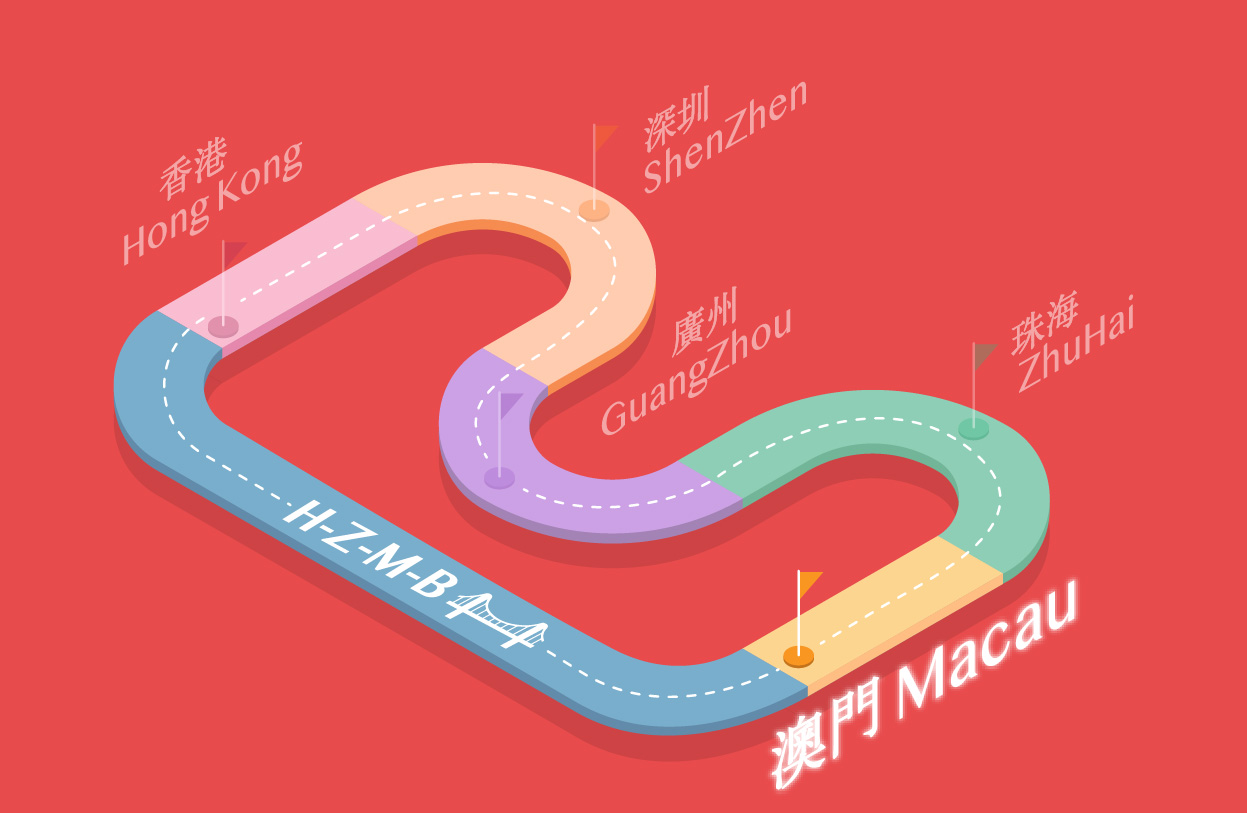
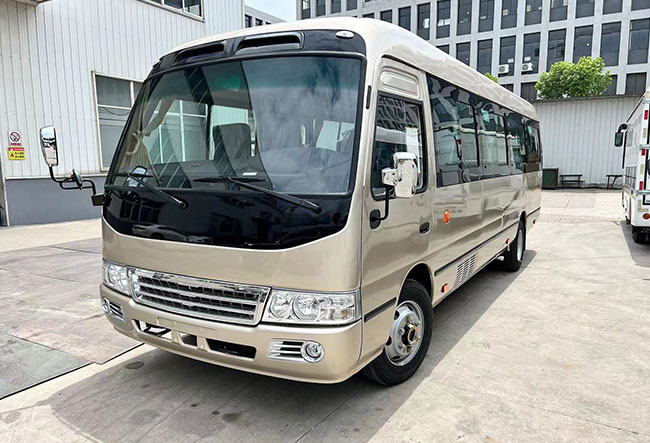
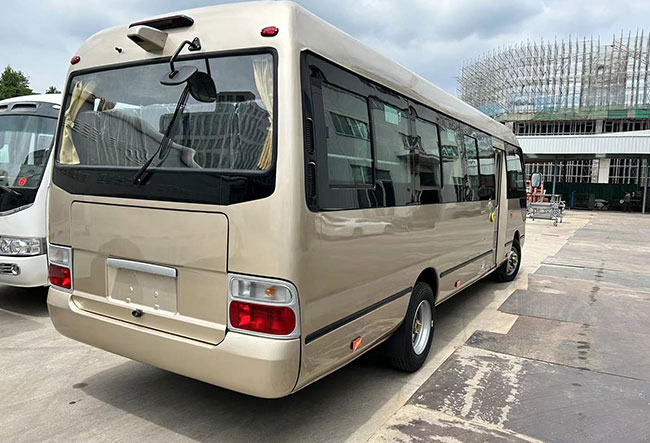
For families, couples, or small private groups, this route can be adapted easily. Some travelers want more cafe time. Some want fewer heritage stops and more design-forward interiors. Some need a route that is stroller-friendly or lower-effort for older family members. That flexibility is where private planning becomes genuinely useful, especially if your day includes cross-border transfers or a same-day return.
If you are planning Macau as part of a wider Hong Kong trip, having transport and sightseeing coordinated together saves more energy than most first-time visitors expect. That is one reason travelers choose operators like MyHKTour for custom private routing instead of piecing the day together stop by stop.
A creative day in Macau should leave you with more than a camera roll full of pretty corners. It should give you a sense of how the city layers history, design, and daily life into something visually distinct – and enough breathing room to enjoy it while you are there.