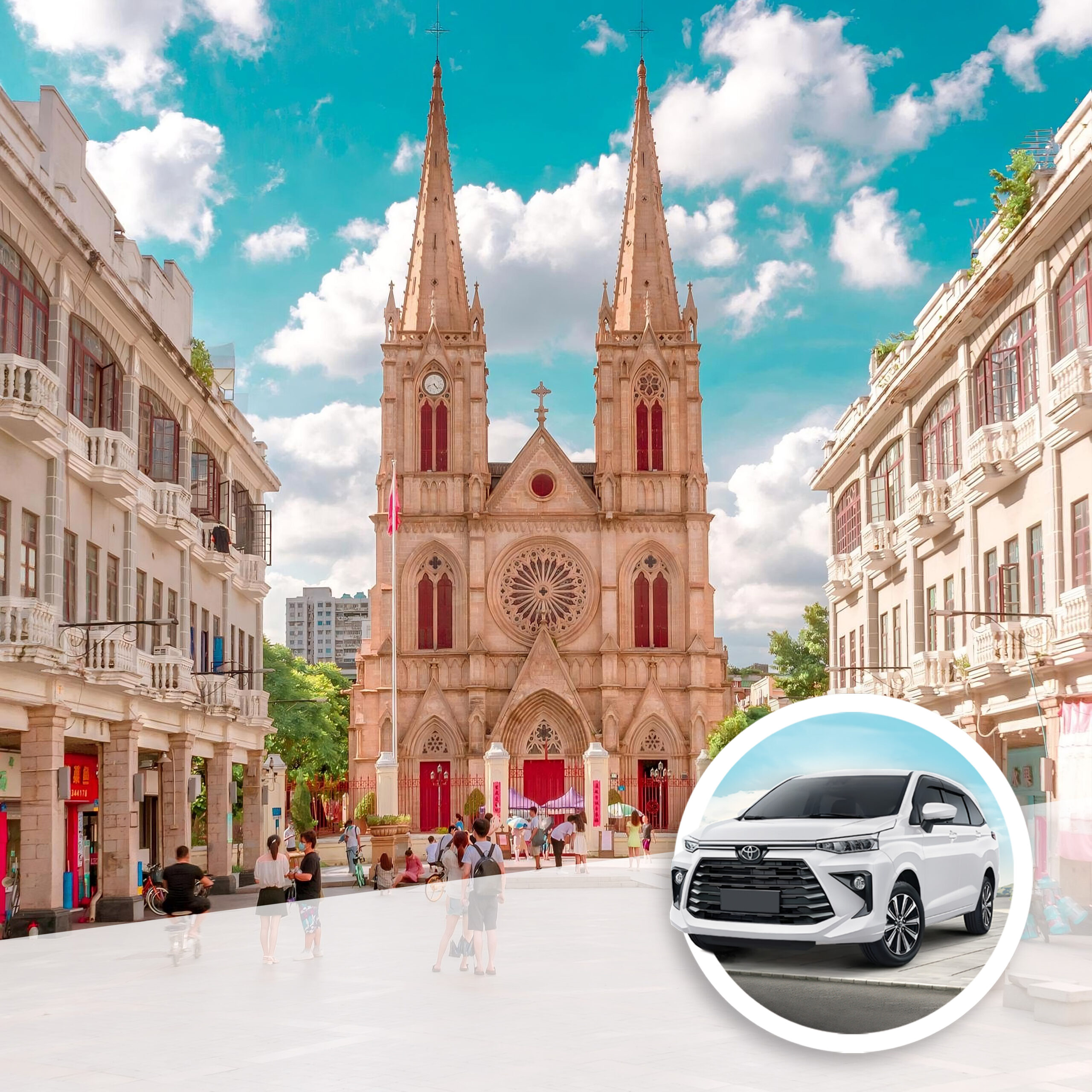
Macau gets crowded fast, and that changes the entire feel of your day. A quiet square in the morning can be shoulder-to-shoulder by lunch, and a simple transfer between heritage sites, hotels, and Cotai can take longer than most visitors expect. That is exactly why a Macau private sightseeing tour appeals to travelers who want to see more without spending the day figuring out routes, taxi lines, or how to fit the old city and modern resorts into one workable plan.
For many visitors, the real value is not just having a private car or guide. It is having a day that makes sense. Macau is compact, but it is not always simple. Historic attractions, viewpoint stops, famous food streets, hotel districts, and ferry or border connections do not always line up neatly on a self-planned schedule. A private tour gives you structure without making the day feel rigid.
Why a Macau private sightseeing tour works so well
Macau is one of those places where logistics look easy on paper. Distances are short, major sights are well known, and the city seems manageable for a day trip. Once you arrive, the trade-offs become clearer. The sightseeing areas are spread between the historic center, Taipa, and Cotai. Some streets are best explored on foot, while others are easier by vehicle. Peak hours, weekend traffic, and holiday crowds can also shift your timing.
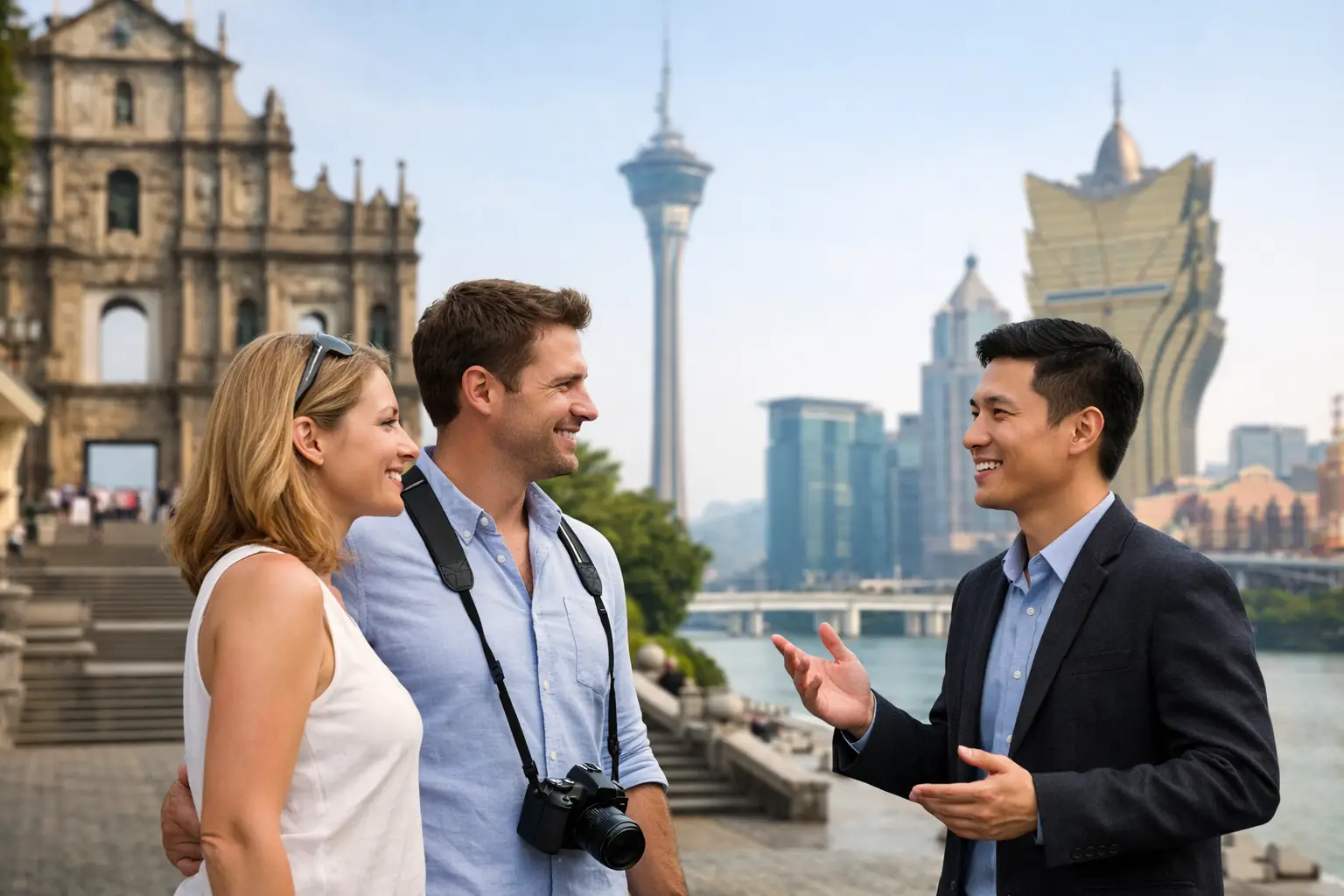
That is where a private format tends to outperform a standard group itinerary. You are not waiting for a full coach to move, skipping stops because the schedule is too fixed, or trying to keep pace with strangers who travel differently than you do. Families with children may need slower walking segments and more frequent breaks. Cruise passengers may need tighter timing. Couples may want a more relaxed day with scenic stops and local food built in. Business travelers often care most about efficiency and comfort.
A well-planned private tour adapts to those priorities instead of forcing everyone into the same mold.
What a good private sightseeing day usually includes
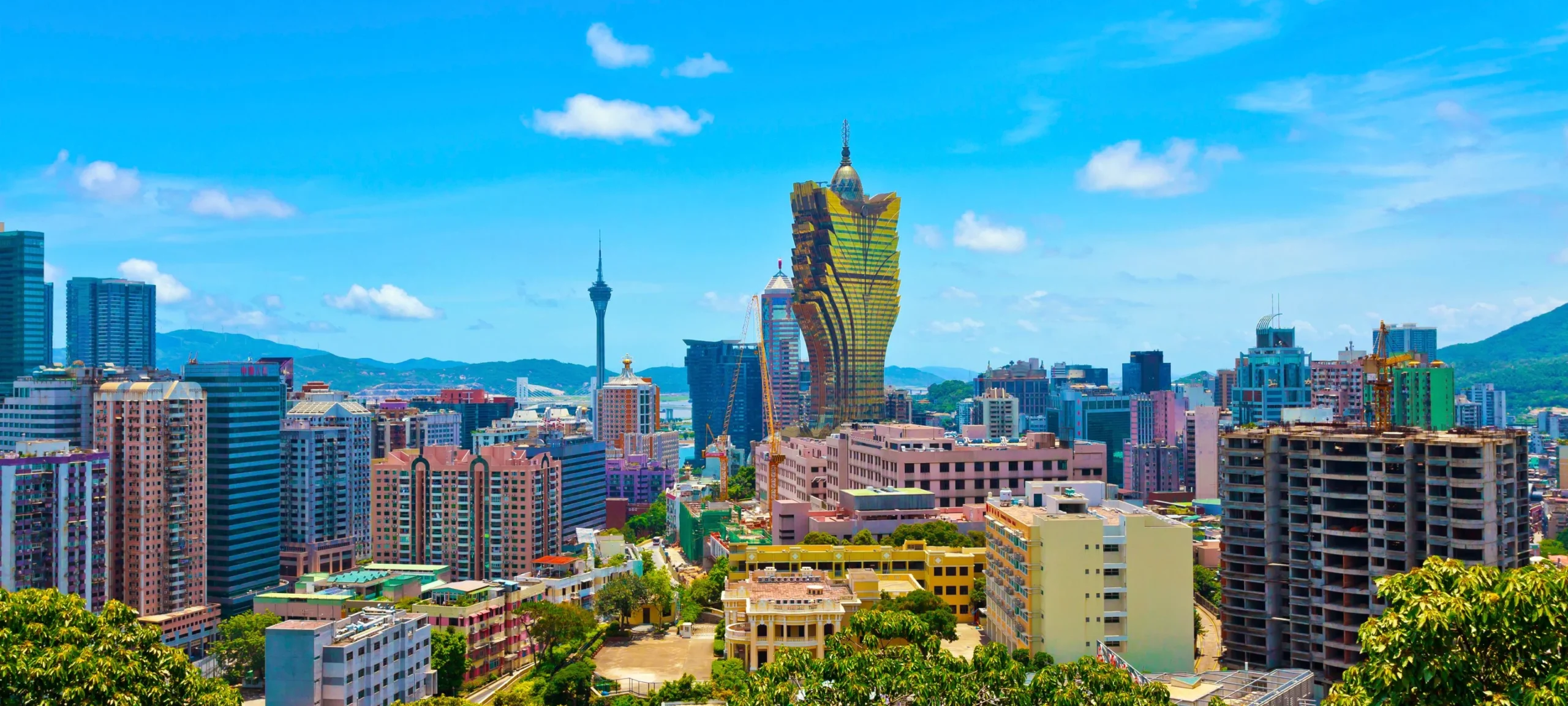
The best tours usually combine heritage, local atmosphere, and practical routing. That balance matters in Macau because the city has two very different faces. One is the historic side, with churches, colonial-era buildings, old lanes, temples, and plazas. The other is the polished resort side, where large integrated hotels, entertainment venues, and shopping complexes create a completely different pace and look.
A typical route often starts in the older part of Macau Peninsula. This is where many visitors want to see the Ruins of St. Paul’s, Senado Square, and nearby streets that still carry much of the city’s blended Portuguese and Chinese character. These stops are visually famous, but they are also where timing matters most. Going earlier often means better walking conditions, clearer photos, and less time navigating crowds.
From there, many private tours shift toward quieter or more local stops depending on interest. Some travelers want temples and viewpoints. Others prefer a bakery stop, a street-food detour, or time in Taipa Village, where the atmosphere feels more intimate than the larger resort districts. Cotai can be added for visitors who want to see the modern side of Macau, whether for architecture, shopping, or simply to understand how dramatically the city changes from one district to another.
The point is not to fit every landmark into one day. It is to combine the right places in the right order.
Choosing the right pace for your group
One of the biggest mistakes travelers make in Macau is overpacking the itinerary. Because the map looks small, it is easy to assume you can cover everything comfortably. In reality, walking time, queue time, weather, and crowd flow all affect the day.
A private tour should match your group’s pace, not just your wish list. If you are traveling with older parents, young children, or anyone with limited mobility, that changes the best route. If your group loves photography, you will want extra time at scenic and architectural stops. If food matters more than landmarks, a slower itinerary with neighborhood snacks and a sit-down meal may be the better choice.
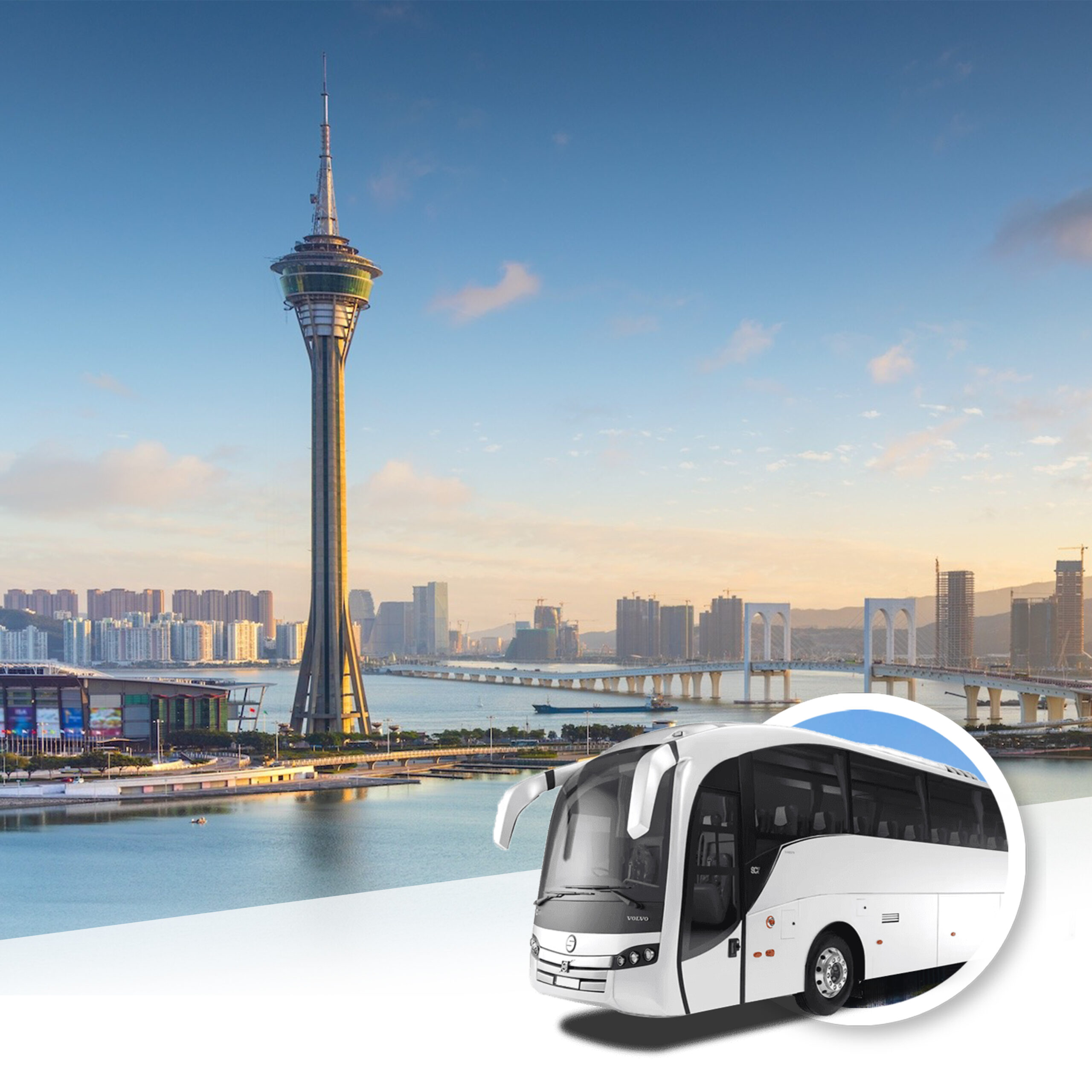
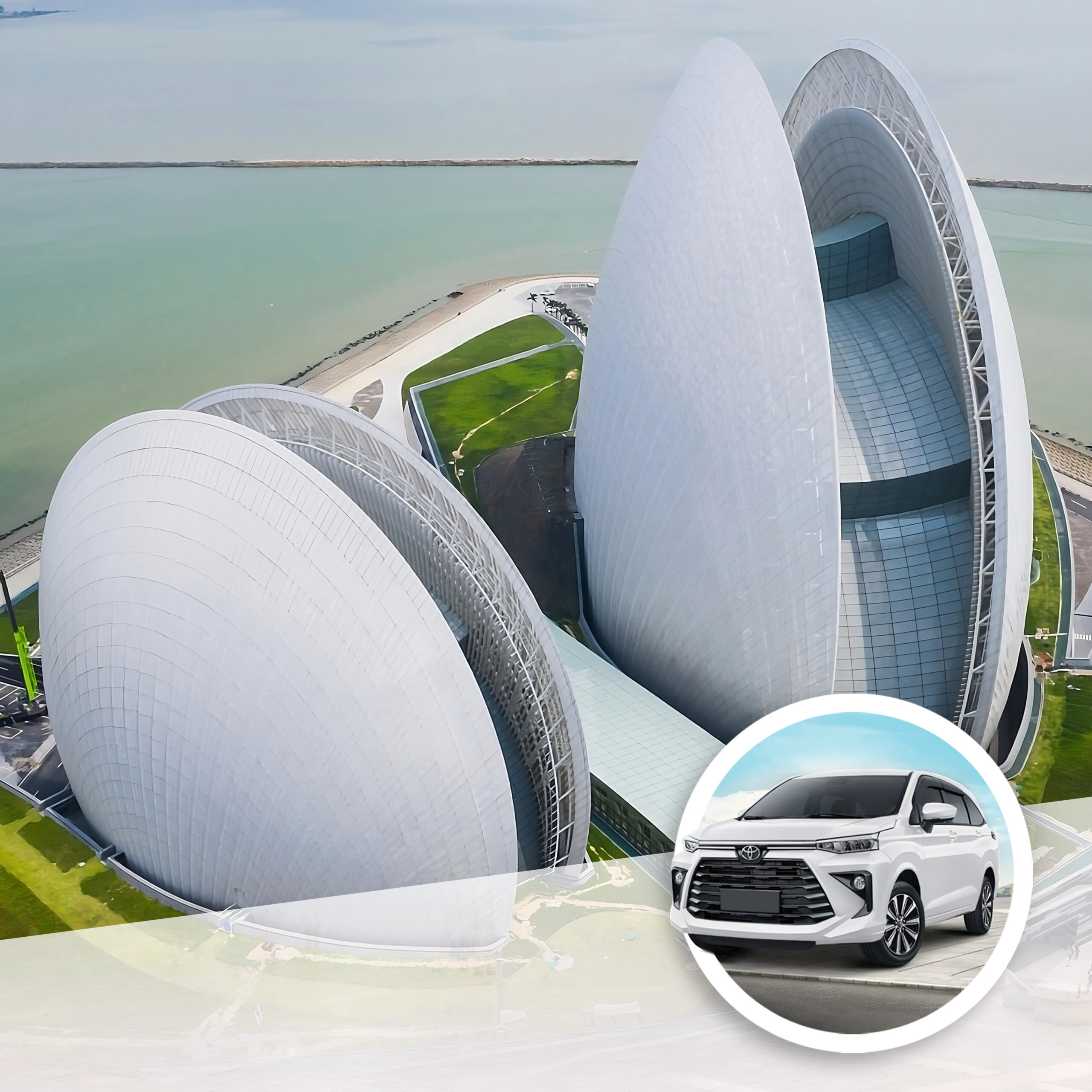
This is also where private transportation makes a visible difference. It reduces the energy spent between stops, especially in hot or humid weather. Instead of treating transportation as a separate problem to solve, it becomes part of a smooth day plan.
How to build a smarter itinerary
A strong Macau private sightseeing tour starts with a simple question: what kind of day do you actually want?
Some travelers want a classic first-time route. That usually means major heritage highlights, a few scenic viewpoints, and a look at Cotai before returning to the hotel, ferry terminal, or border crossing. Others want a more specialized day built around food, photography, architecture, or family-friendly stops.
If you only have half a day, it is usually better to stay focused. Pick either the heritage core with a short extension, or a blend of one historic district and one modern district. Trying to cover too much in limited time often turns the day into a checklist.
If you have a full day, you can be more flexible. That creates room for slower walking sections, a proper lunch, and optional stops based on energy levels. It also gives your guide or driver more room to adapt if one area is unusually crowded.
Travelers coming from Hong Kong should be especially realistic about timing. Border and ferry logistics can affect your day more than the sightseeing itself. This is one reason many premium travelers prefer to arrange both transport and touring through one provider. It cuts down on handoffs, confusion, and wasted time. For visitors planning a broader regional trip, MyHKTour is often chosen for that exact reason – private sightseeing and transportation can be coordinated as one service instead of separate bookings.
When private is worth the extra cost
Private touring is not the cheapest way to see Macau, and that matters. If your main goal is simply to visit one or two famous landmarks and you are comfortable managing transit on your own, a private tour may be more than you need.
Where it becomes worthwhile is when time, comfort, or coordination matter. Families often find the extra cost justified because the day feels easier from start to finish. Small groups can split the cost, which makes the value clearer. Travelers with luggage, cruise schedules, border crossings, or same-day transfers usually appreciate the reduced friction even more.
There is also the issue of flexibility. In a group tour, if one stop runs long or the weather changes, the schedule may not adapt well. In a private format, there is usually more room to make practical decisions on the spot. That can mean spending longer somewhere you love, cutting a stop that feels too crowded, or adjusting the route around your return timing.
Details to confirm before booking
Not all private tours are built the same way. Some are guide-led walking tours with point-to-point transfers. Others are vehicle-based with shorter walking segments. Some are designed for travelers already staying in Macau, while others are built around arrivals from Hong Kong or nearby cities.
Before booking, make sure you understand what is included in the total plan. Duration, pickup point, border or ferry coordination, language support, walking level, vehicle type, and the degree of itinerary customization all affect the experience. For some travelers, the difference between a good tour and a frustrating one comes down to these practical details.
It also helps to be honest about your priorities. If there is a restaurant, viewpoint, hotel, or photo stop you really care about, say so early. A good operator can usually shape the route around that. If you are indifferent about landmarks but care about atmosphere, that matters too. Macau rewards travelers who are selective.
A better way to see the city
The best private tours do not try to impress you with the longest list of stops. They give you a day that feels comfortable, well-paced, and specific to your trip. In a place like Macau, where culture, food, heritage, and resort life all sit close together but not always conveniently, that difference is easy to feel.
If you want your day to feel less like transit planning and more like actual travel, start with the route, the pace, and the support you need – then let the city show up at its best.