Search
Close this search box.
Search
Close this search box.
Search
Close this search box.

Ride Us Freely

Ride Us Freely

Top 10 Must-Try Foods in Hong Kong

Top 10 Must-Try Foods in Hong Kong

If you only have a few days in the city, the top 10 must-try foods in Hong Kong can shape your trip as much as the skyline, harbor views, or shopping districts. Hong Kong moves fast, and so does its food culture – one meal might be a refined dim sum brunch, the next a bowl of noodles eaten shoulder to shoulder with locals. For travelers who want the culture of a place without wasting time on guesswork, knowing what to order matters.

This is not a list built around novelty. It is a practical eating plan for visitors who want the dishes that locals actually grow up with, return to, and recommend to out-of-town guests. Some are famous, some are humble, and a few depend on where you try them. That is part of the point.

Top 10 must-try foods in Hong Kong for first-time visitors

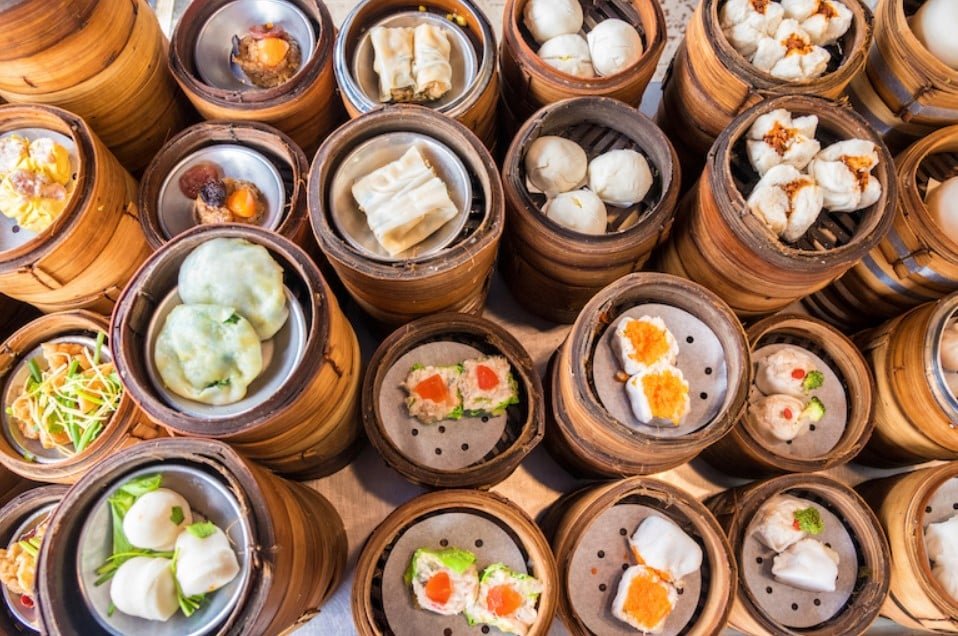
1. Dim sum

If you eat one classic Hong Kong meal, make it dim sum. This is less about a single dish and more about a style of eating built around small plates, tea, and conversation. Shrimp dumplings, pork siu mai, barbecue pork buns, rice noodle rolls, and steamed spare ribs are the staples most visitors start with.

The trade-off is simple. A polished dining room gives you comfort, easier ordering, and more consistent service, while an old-school busy hall often feels more local and lively. Families and first-time visitors usually enjoy the easier pace of a well-run restaurant, especially if they want to try a wider variety without feeling rushed.

2. Roast goose

Roast goose is one of the richest and most satisfying things you can eat in Hong Kong. The skin should be glossy and crisp, the meat tender, and the flavor deep from marinade, roasting, and rendered fat. It is usually served chopped over rice or on its own with plum sauce.

This dish is not light, and that is exactly why people love it. If you are traveling with children or a group with mixed tastes, roast goose is one of those reliable orders that feels distinctly local without being too challenging.

3. Wonton noodles

A proper bowl of wonton noodles looks simple, but the details matter. The noodles are thin and springy, the broth is clear but flavorful, and the wontons are usually filled with shrimp, often with a bit of pork for texture. Good versions feel precise rather than heavy.

This is one of the best lunches for travelers who want something fast, affordable, and genuinely representative of daily life in Hong Kong. Portions can be smaller than many US visitors expect, so it often works best as part of a larger food day rather than your only big meal.

4. Char siu

Hong Kong-style char siu is sweet, savory, sticky at the edges, and slightly smoky when done well. The best cuts balance caramelized glaze with enough fat to keep the pork juicy. You will often see it served with rice, alongside soy sauce chicken, or as part of a mixed roast platter.

This is a good example of why Cantonese cooking can seem restrained at first and then become addictive. It does not rely on heavy spice. The appeal is in texture, balance, and careful roasting.

5. Pineapple bun with butter

Despite the name, a pineapple bun usually contains no pineapple. The name comes from the crackled golden topping, which resembles the fruit’s surface. Ordered plain, it is a bakery staple. Ordered with a thick slice of cold butter tucked inside, it becomes one of Hong Kong’s most memorable snacks.

It sounds simple because it is simple. But timing matters. Fresh from the oven, with the contrast between warm sweet bread and cold butter, it earns its reputation quickly. If you want a classic local breakfast or afternoon tea stop, this is the move.

6. Egg tarts

Hong Kong egg tarts sit somewhere between British influence and Cantonese bakery culture, and they are worth trying more than once. Some have flaky pastry shells, others use a shortcrust-style base. The filling should be silky, lightly sweet, and just set.

Travelers often assume one egg tart is much like another. Not quite. A famous bakery may draw a line for a reason, but neighborhood bakeries can be just as rewarding, especially if you catch a fresh batch. If you are moving between sightseeing stops, this is one of the easiest foods to fit into the day.

7. Clay pot rice

Clay pot rice is the kind of dish that rewards patience. Rice is cooked in a clay pot until the bottom forms a crisp layer, then topped with ingredients such as Chinese sausage, chicken, mushrooms, or preserved meats. A drizzle of soy sauce ties everything together at the table.

This is a stronger choice for dinner than lunch, especially in cooler weather. It is filling, comforting, and a little slower than grab-and-go street food. If your schedule is packed, it may not be the easiest quick stop, but it is one of the most satisfying traditional meals on this list.

8. Fish balls

Curry fish balls are a staple street snack and one of the most accessible foods for first-time visitors. Served on skewers or in a cup, they are bouncy, savory, and coated in a warm curry sauce that is more fragrant than fiery.

This is not the most refined dish in Hong Kong, and it does not need to be. It is quick, casual, and woven into the rhythm of the city. For travelers moving between neighborhoods, it is an easy taste of local street culture without committing to a full meal.

9. Milk tea

Hong Kong milk tea deserves a place on any serious food list because it reflects the city’s identity as clearly as any dish. Made with strong black tea and evaporated or condensed milk, it is smooth, bold, and distinctly different from the lighter teas many American visitors expect.

You can order it hot or cold. The stronger, more traditional versions may taste surprisingly intense at first. Give it a moment. Paired with toast, noodles, or a pineapple bun, it becomes part of the full cha chaan teng experience rather than just a drink order.

10. French toast, Hong Kong style

This is not everyday French toast in the American diner sense. Hong Kong-style French toast is often made by sandwiching bread with peanut butter or kaya, dipping it in egg, deep-frying it, and topping it with syrup and butter. It is rich, messy, and unapologetically indulgent.

It works best when you lean into what it is. This is a cha chaan teng classic, not a health food. Share it if you already have a full eating itinerary, but do not skip it just because it sounds familiar. The Hong Kong version has its own personality.

How to eat your way through Hong Kong without wasting meals

The biggest mistake visitors make is chasing only famous names and ending up with long waits, rushed meals, and too little variety. A better strategy is to mix one or two destination restaurants with flexible neighborhood stops. That gives you room for a bakery snack, a quick noodle shop lunch, and a proper sit-down dinner without turning the day into a queue.

Timing matters too. Dim sum shines earlier in the day. Clay pot rice makes more sense at night. Bakery items are best when fresh, and cha chaan tengs are ideal when you want something quick but still local. If your group has different comfort levels, start with char siu, egg tarts, or wonton noodles before moving into stronger flavors and textures.

For families, private groups, or travelers with limited time, food planning is often less about ambition and more about logistics. Neighborhoods with great food can be spread across the city, and the difference between a smooth food day and a frustrating one usually comes down to route planning. That is one reason many visitors choose to pair sightseeing with a guided or private food-focused itinerary through providers like MyHKTour – you spend more time tasting and less time figuring out where to go next.

What to expect from the top 10 must-try foods in Hong Kong

Not every famous dish will land the same way for every traveler. Some visitors fall for silky egg tarts and milk tea immediately. Others remember the crackle of a pineapple bun, the depth of roast goose, or the comfort of clay pot rice. Hong Kong food is not built around one-note impact. It is built around repetition, craft, and the small details that make a familiar dish worth ordering again.

If you only manage a few of these, make them count. Eat dim sum with time to enjoy it. Grab the bakery item while it is warm. Sit down for the roast meats instead of treating them like an afterthought. The city rewards travelers who leave room in the schedule for one more stop, one more bite, and one meal that was not planned too tightly.

Related Articles

Related Services

Related Articles

Related Services

Hot Pick Products

Your cart is currently empty.