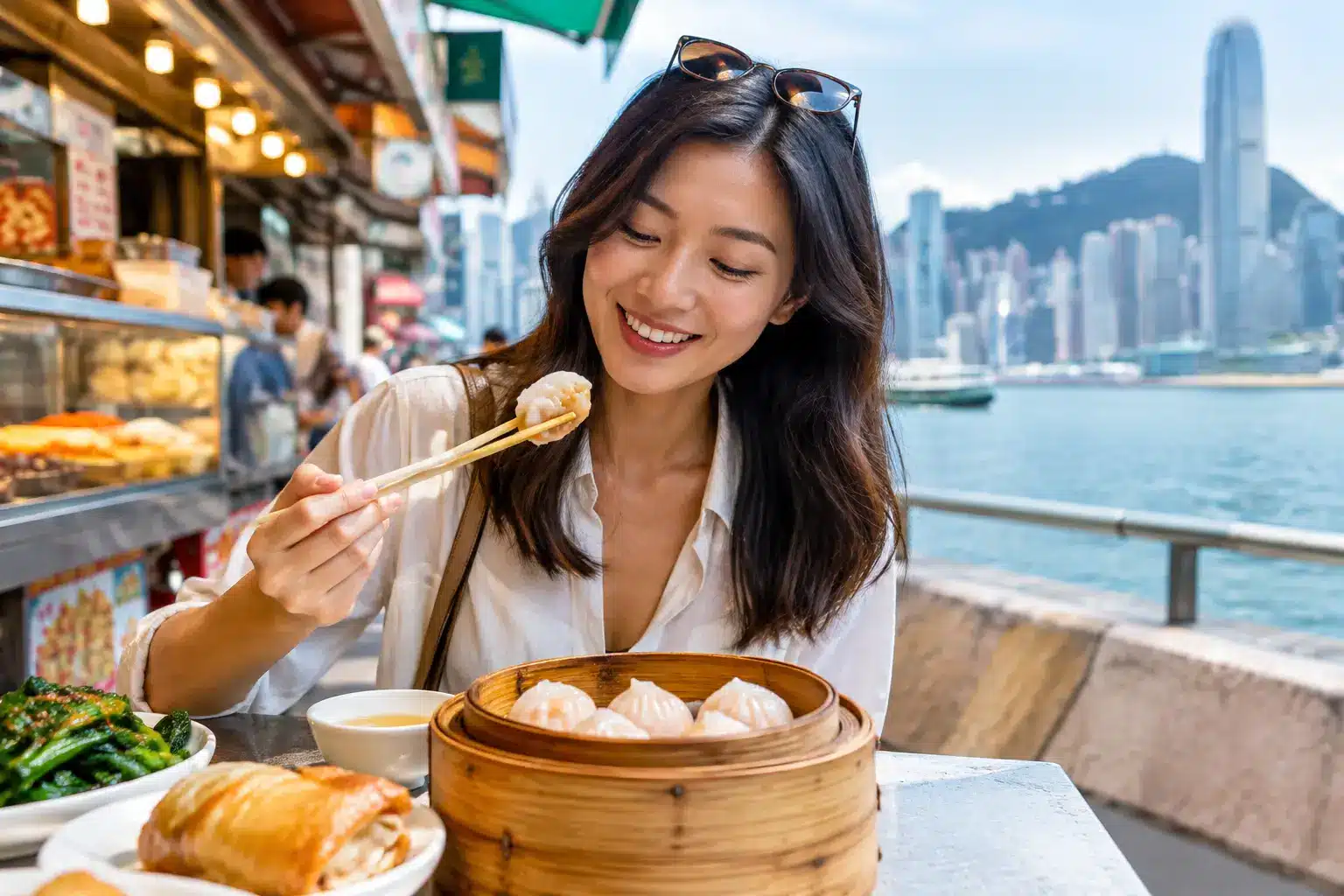
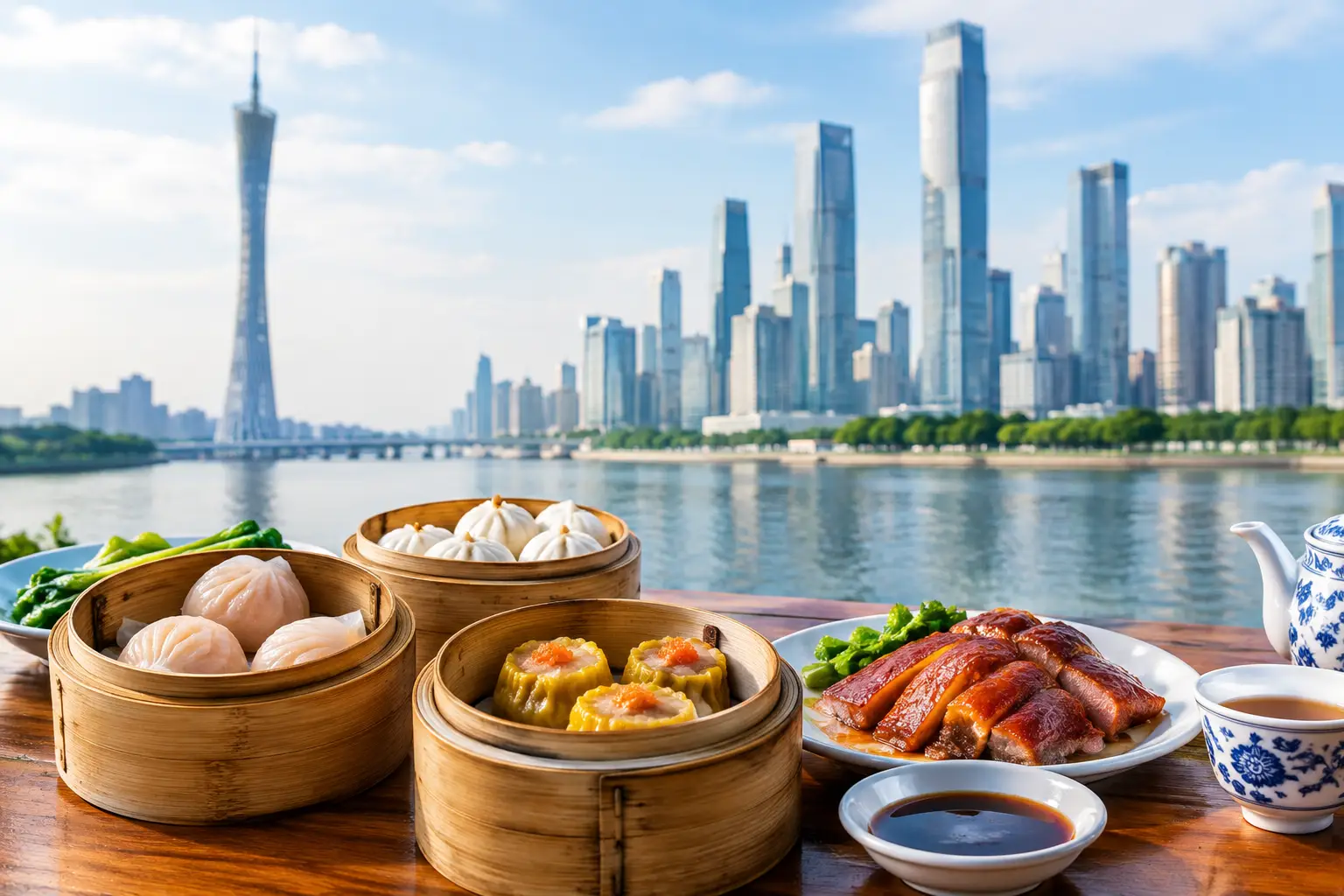
Hong Kong rewards hungry travelers, but it can also overwhelm them. A single neighborhood may offer a famous noodle shop, a traditional tea house, a busy dai pai dong, and a polished dessert counter within a few blocks. This Hong Kong food tour review looks at what visitors can realistically expect, whether a private experience is worth the added cost, and how to choose a tour that feels like a memorable meal rather than a rushed checklist.
What a Hong Kong Food Tour Should Deliver
The best food tours do more than point out what is popular on social media. They give context to the dishes, the neighborhoods, and the people who keep local food traditions alive. A guide might explain why wonton noodles are judged by the springiness of the noodles and clarity of the broth, or why certain dim sum classics are best enjoyed in the morning with tea.
A well-planned route also creates contrast. Instead of stopping for five versions of the same snack, it should move naturally from savory to sweet, familiar to unexpected, and casual street-side bites to a proper seated meal. Depending on the route, guests may try roast meats over rice, fresh seafood, egg tarts, clay pot rice, fish balls, milk tea, or regional dishes shaped by Cantonese, Hakka, Chiu Chow, and international influences.
Just as valuable is the practical support. Hong Kong is easy to enjoy once you know where to go, but popular restaurants may have limited English menus, busy queues, or confusing ordering systems. A local guide removes much of that friction and helps travelers spend their limited time eating well.
Hong Kong Food Tour Review: Private vs. Group Tours
A group tour is often a good fit for solo travelers or couples who want a social outing at a lower entry price. The route is usually fixed, the pace is set for the entire group, and tastings are selected to work for the broadest range of guests. This can be fun, especially for first-time visitors, but it comes with trade-offs. You may wait while everyone orders, spend longer at dishes that do not interest you, or miss a place because the group needs to keep moving.
A private food tour offers a different kind of value. The itinerary can be built around your appetite, timing, and travel style. Families can include familiar options for children alongside more adventurous local dishes. Muslim travelers can plan around appropriate dining preferences. Cruise passengers can work within a firm return-to-port time, while business travelers can arrange an efficient evening route after meetings.
Private does not automatically mean better for every traveler. If your goal is simply to sample several snacks and meet other visitors, a small group tour may be enough. But for guests who value flexibility, comfort, and a guide’s full attention, private touring usually makes the experience feel more personal and less hurried.
The Neighborhood Matters as Much as the Menu
Food in Hong Kong is closely tied to place. Central and Sheung Wan can be ideal for travelers who want old shops beside contemporary dining rooms, with a compact route that fits easily into a sightseeing day. Wan Chai offers a mix of local institutions and changing food scenes. Kowloon neighborhoods such as Mong Kok, Yau Ma Tei, and Sham Shui Po often bring more energy, market culture, and casual local eating.
A strong tour does not treat every neighborhood the same. In a historic district, the guide should help guests notice disappearing crafts, family-run storefronts, and the small details that make the area distinctive. In a market-focused neighborhood, the experience may lean toward snacks, ingredients, and the lively rhythm of everyday dining.
This is why a generic list of “must-eat” stops is not always the best measure of quality. A famous restaurant can be worth the wait, but a lesser-known shop may be a better choice if it suits the route, avoids a long line, and lets you taste something made with real care. Good guides make those decisions in the moment.
Pacing Is a Real Part of the Experience
Food tours can become tiring when they are planned without enough space between stops. Humidity, stairs, crowds, and full portions can change how much guests enjoy the day. A thoughtful private itinerary accounts for walking distance, seating breaks, restroom access, and the fact that guests may want to take photographs or browse a market rather than move immediately to the next tasting.
It also helps to be clear about portion sizes. Some tours provide several light tastings, while others include enough food to replace lunch or dinner. Travelers should ask before booking, particularly if they have a restaurant reservation later that evening.
What to Ask Before You Book
The most useful questions are practical. Ask how many stops are included, whether food and drinks are included in the price, and how much walking is expected. Find out whether the route can accommodate allergies, vegetarian preferences, halal requirements, or guests who do not eat pork or seafood. These details should be handled before the day of the tour, not negotiated while standing outside a busy restaurant.
It is also worth asking who leads the experience. A guide who knows a few dishes is not necessarily the same as someone who understands neighborhood history, dining customs, and the changing food landscape. The strongest guides know when to explain and when to let the food speak for itself.
Transportation is another consideration. Many food walks work best on foot, but private vehicle support can make sense for multigenerational families, travelers with limited mobility, or guests combining food stops with attractions farther apart. For visitors arriving from Macau, Shenzhen, or a cruise terminal, coordinating transport and touring through one provider can save considerable planning time.
MyHKTour can arrange private sightseeing and transportation around a customized food-focused day, making it easier to match restaurant stops with your hotel, arrival schedule, and other plans.
Is a Private Food Tour Worth the Price?
The answer depends on how you value time. A private tour costs more than joining a public group, particularly when it includes a dedicated guide, tailored route, and private transport. Yet the value is not limited to the food itself. It is the ability to skip unsuitable stops, ask questions freely, adjust for children or dietary needs, and avoid spending part of a short vacation figuring out logistics.
For a family of four or a small group traveling together, the price difference may feel more reasonable when shared. For a couple on a first visit, it can be a worthwhile splurge if food is a major reason for coming to Hong Kong. For travelers who prefer independence and are comfortable navigating menus and queues, a self-guided food day may be the better fit.
The key is to avoid judging a tour solely by the number of tastings. A cheaper experience with many small samples may sound generous but feel generic. A shorter private route with three or four carefully selected stops, comfortable pacing, and meaningful local insight can leave a stronger impression.
The Details That Separate a Good Tour From a Great One
The finest food experiences have room for spontaneity. Perhaps a shop has sold out of a specialty item, a sudden rainstorm changes the walking route, or a guest discovers they love a dish and wants more time to enjoy it. A capable guide adapts without making the day feel disorganized.
They also set honest expectations. Not every traditional dish will suit every palate, and that is part of traveling well. A guide should encourage curiosity without pressuring guests to finish something they dislike. Hong Kong’s food culture is generous enough that there is always another flavor to try.
Choose a route that matches the way you want to travel, not just the dishes you recognize. With the right pacing, local guidance, and a little appetite for the unfamiliar, a food tour can become the part of Hong Kong you remember most clearly long after the last cup of milk tea.