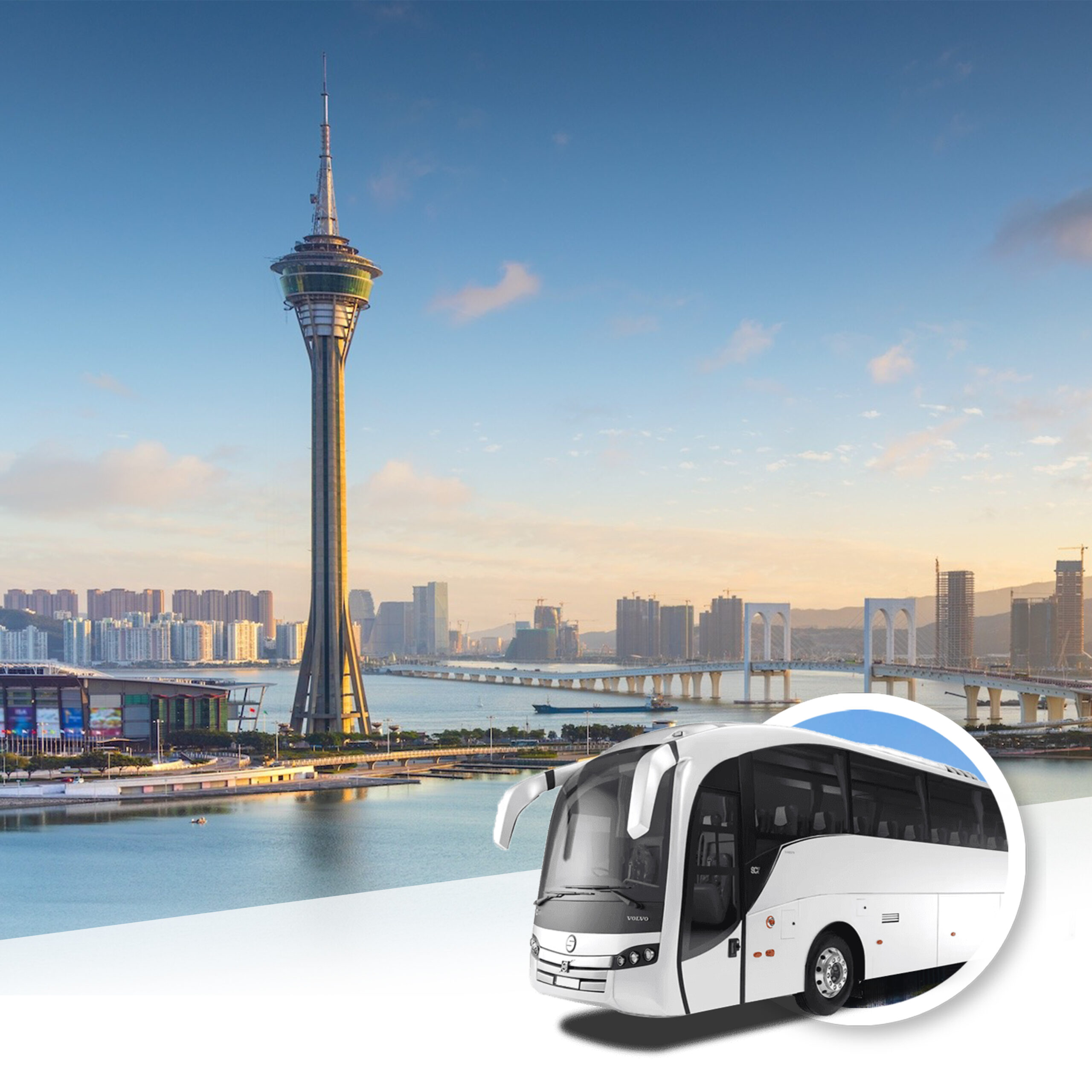
You can lose half a day in Hong Kong without realizing it. A museum that looked close on the map is across the harbor, a lunch stop turns into a queue, and a simple border crossing to Shenzhen suddenly needs more planning than expected. That is exactly why a custom hong kong itinerary works better than a one-size-fits-all schedule. It gives you the city you actually want to experience, with the timing, comfort, and routing built around your trip rather than someone else’s.
Hong Kong rewards good planning because it offers several trips in one destination. Some travelers want skyline views, famous temples, and a smooth ride between major sights. Others care more about street food, hidden neighborhoods, hiking, family-friendly stops, or adding Macau and mainland China to the same journey. The right itinerary is less about packing in the most attractions and more about matching each day to your priorities, energy level, and transport needs.
What a custom hong kong itinerary should solve
A strong plan does more than tell you where to go. It solves the friction points that often shape the day more than the attractions themselves. In Hong Kong, that usually means distance, crowds, weather, and timing.
The city looks compact, but the experience changes quickly from Central to Kowloon, from Lantau to the New Territories, and especially once you add Macau, Shenzhen, Zhuhai, or Guangzhou. Public transportation is excellent, but not every traveler wants to manage station changes, luggage, ferry timing, visa requirements, or late-night returns after a long day out.
That is where customization matters. Families with young children may want fewer stops and more direct transfers. Cruise passengers usually need tight timing and clear pickup arrangements. Corporate groups often want a polished schedule that blends meetings, dining, and sightseeing without dead time. Muslim travelers may need prayer-friendly pacing and halal dining options built in from the start. None of these needs are unusual, but they do require a plan made for the traveler, not the average tourist.
Start with your travel style, not a checklist
The fastest way to build the wrong itinerary is to begin with a list of top attractions. A better starting point is your travel style. Ask how you like to move through a city, how long you want to stay out each day, and whether this trip is more about seeing icons or feeling the local rhythm.
If this is your first visit, you may want a day anchored around Victoria Peak, the Star Ferry, Tsim Sha Tsui waterfront, a temple visit, and a good local meal. If you have already seen the headline sights, a custom route can lean into neighborhoods, local markets, outlying islands, cultural experiences, or food-focused stops. If your trip spans several cities, the Hong Kong portion may need to act as either a soft landing at the start or a more relaxed finish after faster-paced cross-border travel.
A practical custom hong kong itinerary also accounts for pace. There is a big difference between travelers who enjoy ten-hour sightseeing days and those who want a calm six-hour experience with time for shopping, photos, and coffee. Neither is better. The best plan simply reflects the way you like to travel.
Build days around geography
One of the simplest ways to improve a Hong Kong trip is to group experiences by area. This sounds obvious, but it is where many self-planned itineraries fall apart.
Hong Kong Island can carry a full day on its own, especially if you want a mix of heritage, business-district contrast, harbor views, and dining. Kowloon offers a different mood – denser streets, markets, cultural districts, and nighttime energy. Lantau is often best treated as a dedicated day, particularly if you are including the Big Buddha, Tai O, Ngong Ping, or Disneyland. Once you add border transfers or ferry departures, timing becomes even more important.
This is also where private transport starts to change the experience. It may not be necessary for every traveler, but it becomes highly valuable when you are traveling with children, older relatives, luggage, shopping bags, or a group with limited time. What looks efficient on paper can feel tiring in practice when every stop includes wayfinding, ticketing, and waiting.
Decide what deserves a half day, full day, or multi-city extension
Not every attraction needs equal weight. A common mistake is treating all destinations as short stops, when some are better enjoyed with more room around them.
Central and Sheung Wan work well as a half day if your goal is a highlight pass with a few cultural stops and skyline views. Kowloon can also fit into a half day, but many travelers prefer to keep it for afternoon into evening when the waterfront and street life feel more alive. Lantau usually deserves a full day because travel time, scenic routes, and cultural sites take longer than expected. Macau is best planned as either a full-day extension or an overnight, depending on your pace and interests.
Shenzhen, Zhuhai, and Guangzhou require even more care because cross-border movement changes the day. The route itself matters as much as the destination. Visa arrangements, checkpoint timing, and transfer style can turn a simple plan into a stressful one if they are handled late. For travelers combining tourism with logistics, it helps to organize sightseeing and transportation as one connected service rather than separate bookings.
When private planning makes the biggest difference
A custom itinerary is useful for almost anyone, but it becomes especially valuable in a few situations.
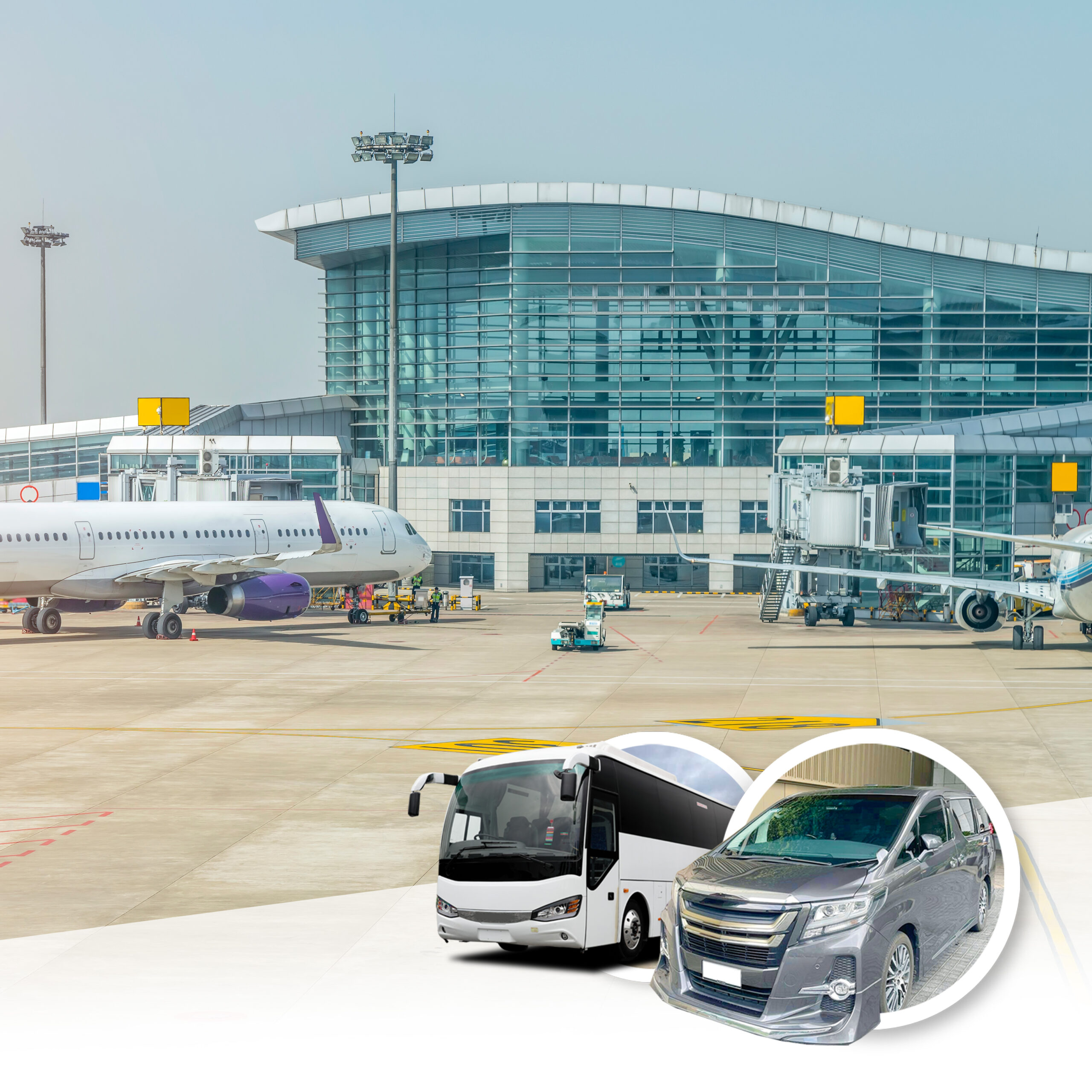
If you are arriving by cruise or plane with a fixed schedule, every transfer matters. If you are traveling as a family or private group, convenience often outweighs saving a small amount on public transit. If you are planning a multi-day trip that covers Hong Kong plus nearby cities, coordination matters even more than sightseeing choices.
Travelers often assume customization only means luxury. In reality, it usually means efficiency. You are paying for fewer wrong turns, better timing, and a plan that fits your group. For premium travelers, that comfort is part of the appeal. For everyone else, it is often the difference between a trip that feels easy and one that feels like constant problem-solving.
What to include in your request
The clearer your priorities, the better the itinerary will be. You do not need a minute-by-minute plan before reaching out, but a few details make a big difference.
Share your arrival and departure dates, hotel or port details, group size, and whether anyone in your party has mobility needs. Mention if you prefer culture, food, shopping, family activities, photography, hiking, or religious considerations. Include whether you want a guide, private vehicle, airport transfer, Disneyland transfer, or cross-border transportation built into the same trip.
It also helps to be honest about your pace. Some travelers ask for a long wish list and then realize they actually want a relaxed day. Others worry about overplanning and end up missing the places they cared about most. A good planner can help balance ambition with realism, but only if the starting brief is clear.
A sample way to think about your itinerary
A first-time visitor with three days might use day one for Hong Kong Island and harbor views, day two for Kowloon and evening culture, and day three for Lantau or Disneyland. A returning traveler might swap those classic stops for a food-focused route, a photography day, or a deeper cultural trip with Tai O, local neighborhoods, and slower time on foot. A regional traveler might use Hong Kong as the base and add one day in Macau and one day in Shenzhen with private transfers handling the logistics.
None of these plans is the right one by default. The right one is the one that fits the reason you are traveling.
That is why service-led planning matters. A company like MyHKTour can combine private touring, door-to-door transport, and multi-city coordination in a way that keeps the trip feeling organized instead of fragmented. For travelers who want comfort without losing local character, that balance is often the whole point.
The best custom hong kong itinerary feels effortless
The strongest itineraries do not feel busy for the sake of being busy. They feel well judged. You see the places that matter to you, move between them comfortably, and leave room for the parts of Hong Kong that cannot be scheduled too tightly – the harbor at dusk, the extra stop for dessert, the market you want to linger in, the quiet temple courtyard that was not on your original list.
If you are planning a trip to Hong Kong, think less about fitting everything in and more about building the right flow. A well-made itinerary gives you more than convenience. It gives you the freedom to enjoy the trip while someone else handles the hard parts.