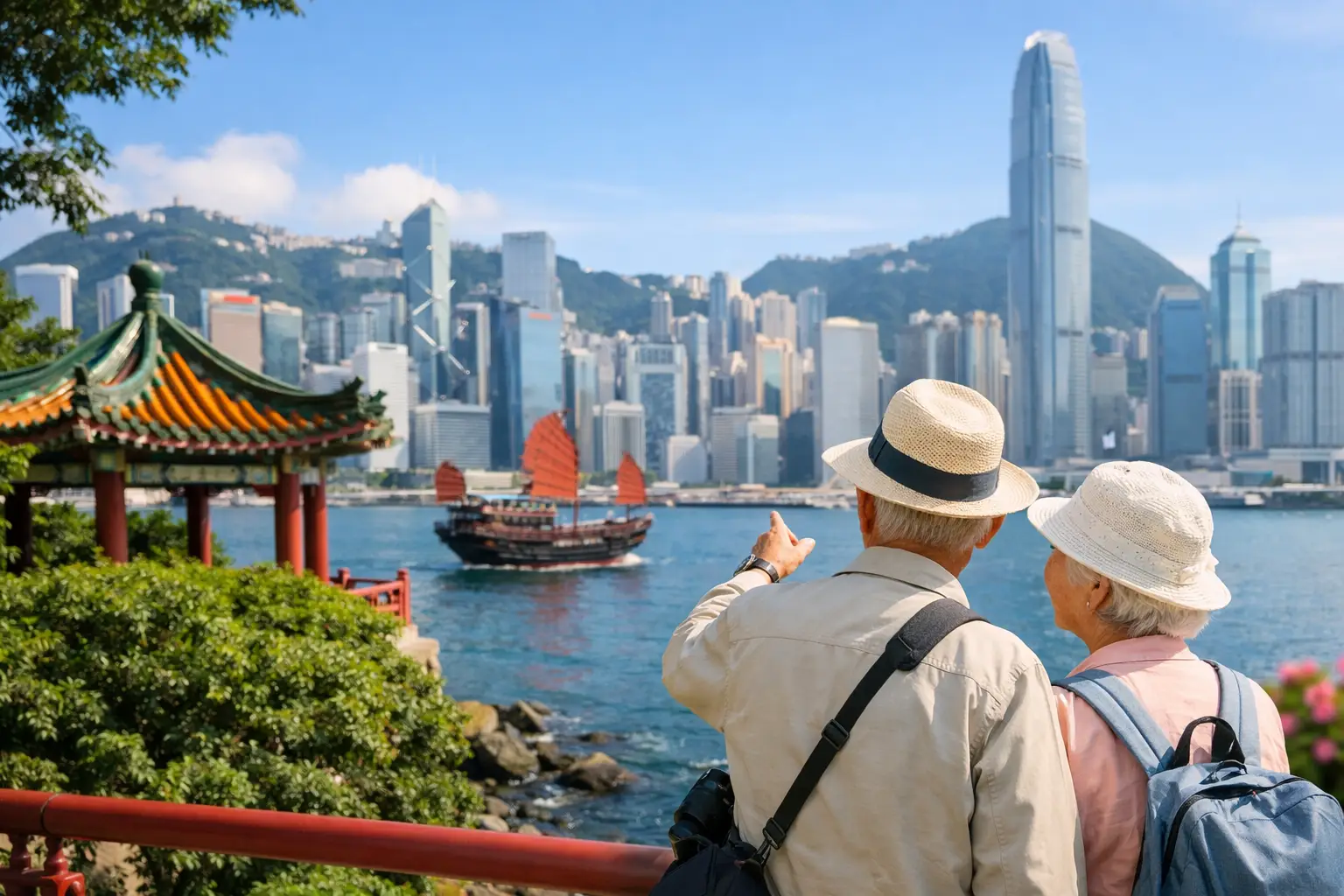
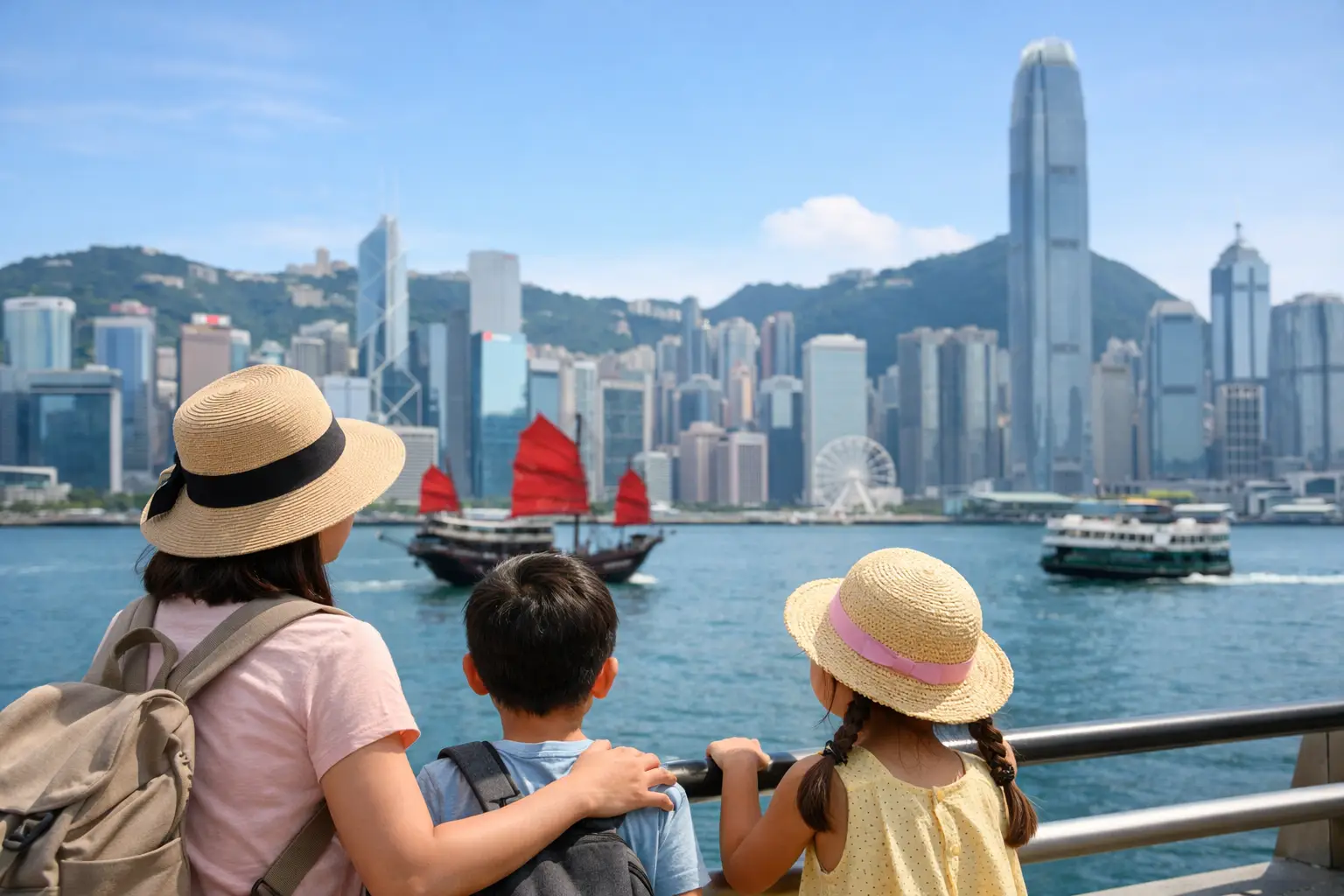
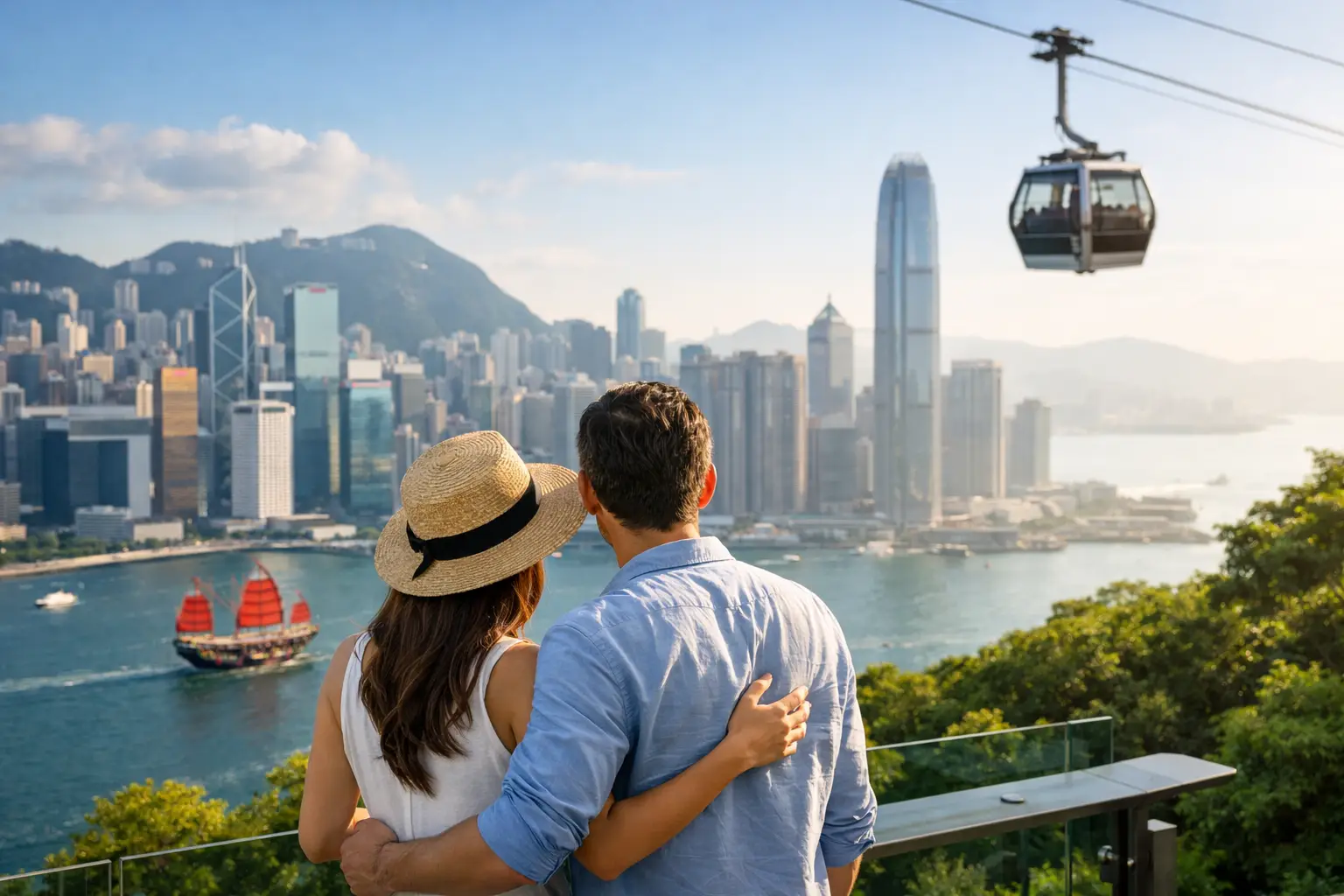
A rewarding Hong Kong visit does not need to mean rushing between crowded stations, climbing every viewpoint, or fitting ten attractions into one day. The best itinerary for senior people in Hong Kong makes room for the city’s famous skyline and heritage while protecting the two things that matter most: comfort and time to enjoy each stop.
For most older travelers, a private, paced three-day plan works better than a packed checklist. It allows for door-to-door transportation, sit-down meals, nearby restrooms, and flexibility when the weather, energy level, or an especially interesting stop calls for a change of plan. Hong Kong is compact, but its hills, humidity, and busy transit interchanges can make a short distance feel much longer than expected.
What Makes a Senior-Friendly Hong Kong Itinerary Work
The right itinerary is less about seeing fewer places and more about grouping the right places together. A comfortable day usually includes two major sightseeing stops, a relaxed lunch, and one optional activity rather than a rigid afternoon schedule. Plan to leave the hotel after breakfast, return before the evening rush when possible, and build in seated experiences such as harbor cruising, tram rides, tea breaks, or a scenic drive.
Private transportation is particularly useful for travelers using a cane, moving carefully on steps, or simply preferring not to navigate unfamiliar platforms. It also provides a secure place to keep umbrellas, jackets, medications, shopping bags, and water between stops. A local driver-guide can adjust pickup points and walking distances as needed, which is valuable in a city where entrances and elevators are not always where visitors expect them.
Weather changes the equation. October through December and March through April are often the most comfortable periods for sightseeing. Summer can be hot, humid, and rainy, so outdoor areas are best visited early in the day. During cooler months, the same itinerary can allow more time along the waterfront or in village areas.
A Comfortable 3-Day Hong Kong Plan for Seniors
Day 1: Victoria Peak, Central, and Victoria Harbour
Begin with Victoria Peak in the morning, when temperatures are gentler and the city view is often clearer. The Peak is one of Hong Kong’s defining experiences, but the old Peak Tram can involve queues and standing. For travelers who want to avoid those demands, a private vehicle route to the top is usually the more comfortable choice. At the summit, select a short, level viewing area rather than attempting a full walking loop.
From there, continue downhill through Central, Hong Kong’s historic commercial district. The district has steep streets, so a guided driving route is preferable to exploring entirely on foot. Stops can include the exterior of historic buildings, a quiet café break, or a gentle ride on the Central-Mid-Levels Escalator if mobility allows. The escalator is not ideal for anyone unsteady on moving steps, but the route can easily be adapted.
After lunch, take time at the Central waterfront or travel to Tsim Sha Tsui for an unobstructed view back toward Hong Kong Island. A harbor cruise is an excellent low-impact option: it offers changing skyline views while everyone remains seated. End with an early dinner near the harbor, then return to the hotel before the nighttime crowds build.
Day 2: Lantau Island, Tian Tan Buddha, and Tai O
Lantau offers a quieter side of Hong Kong, with mountain scenery, traditional village life, and spiritual landmarks. It is best treated as a full but unhurried day with private transportation. Start at the Po Lin Monastery area and Tian Tan Buddha. The Buddha is reached by a long staircase, so it should be viewed from the base by travelers who do not wish to climb. The lower plaza, monastery grounds, and surrounding views still make the visit worthwhile.
A vegetarian lunch near the monastery can be arranged, though travelers with dietary preferences may be more comfortable choosing a restaurant with a familiar menu along the route. This is especially helpful for groups that need halal, vegetarian, low-sodium, or other specific meal options.
Continue to Tai O, a fishing village known for stilt houses and its slower rhythm. The village has uneven paths in places, but a short boat ride through the waterways offers a comfortable way to see its character. Keep the walking portion brief and unhurried. The purpose of this day is not to cover every Lantau attraction. It is to experience a different pace and story of Hong Kong without putting physical strain on the group.
The Ngong Ping cable car is scenic but depends on comfort with heights, weather conditions, and possible lines. It can be added for confident travelers, but it is not essential when the priority is an easy day.
Day 3: Kowloon Heritage, Gardens, and Local Flavors
Spend the final day in Kowloon, where cultural stops can be combined with flatter, more accessible surroundings. Start at Wong Tai Sin Temple, a lively place of worship where travelers can observe local traditions and architecture. There may be crowds, particularly on weekends and public holidays, so an early arrival is the most relaxed choice.
Next, visit Nan Lian Garden and the adjacent Chi Lin Nunnery. The garden’s carefully designed paths, ponds, pavilions, and shaded seating areas create a welcome contrast to Hong Kong’s density. It is one of the best places for travelers who appreciate photography, architecture, or a calm pause between busier attractions. The terrain is generally manageable, though a companion should always assess individual mobility needs.
After lunch, choose one gentle final experience based on interests. Families may enjoy a visit to a local market for tea, fruit, or small gifts, provided the group is comfortable with crowds. Travelers who prefer air conditioning can select a museum, hotel afternoon tea, or a scenic drive through older Kowloon neighborhoods. A food-focused stop can also work well when it is planned around seating and dietary needs instead of a long walking tour.
Adjust the Plan to the Traveler, Not the Other Way Around
The best itinerary for senior people in Hong Kong should reflect individual comfort levels. An active 70-year-old who enjoys walking may want a longer waterfront promenade and a cable car ride. Another traveler may prefer short walks, easy vehicle access, and a longer lunch. Neither approach is less authentic.
Before confirming the itinerary, consider mobility aids, stair tolerance, heat sensitivity, dietary restrictions, preferred wake-up time, and whether the group includes grandchildren or other relatives with different interests. It also helps to identify the one or two experiences each person most wants to have. That way, the day can be built around meaningful moments rather than an attraction list.
Cruise passengers should be especially conservative with timing. Port transfers, traffic, and ship boarding deadlines matter more than fitting in a final stop. Similarly, travelers arriving after a long-haul flight should plan a lighter first day, even if they feel eager to begin sightseeing.
Comfort Details Worth Arranging in Advance
A well-planned private tour removes small stresses before they become distractions. Confirm vehicle step height and luggage capacity, especially if folding wheelchairs or walkers are traveling with the group. Ask for regular restroom opportunities and build meal reservations into the route. A vehicle that is comfortable for four people can feel cramped for four people plus mobility equipment, so capacity should be discussed honestly.
Bring water, sun protection, a light layer for air-conditioned venues, and any essential medication in a day bag. Hong Kong’s public spaces are generally safe and efficient, but the pace can be intense around transit hubs and popular attractions. A private pickup and a guide who knows the practical entrances can make the experience feel far more relaxed.
MyHKTour can tailor private vehicles, guides, meal timing, and sightseeing routes around these needs, including a pickup directly from a hotel, airport, or cruise terminal. The value is not only convenience. It is the freedom to stay longer at a peaceful garden, skip a staircase, or change direction when the group prefers a quieter afternoon.
Hong Kong rewards travelers who slow down enough to notice it: the ferries moving across the harbor, incense drifting through a temple courtyard, and mountain views appearing beyond the towers. Give each day enough breathing room, and those are the memories that stay with you.