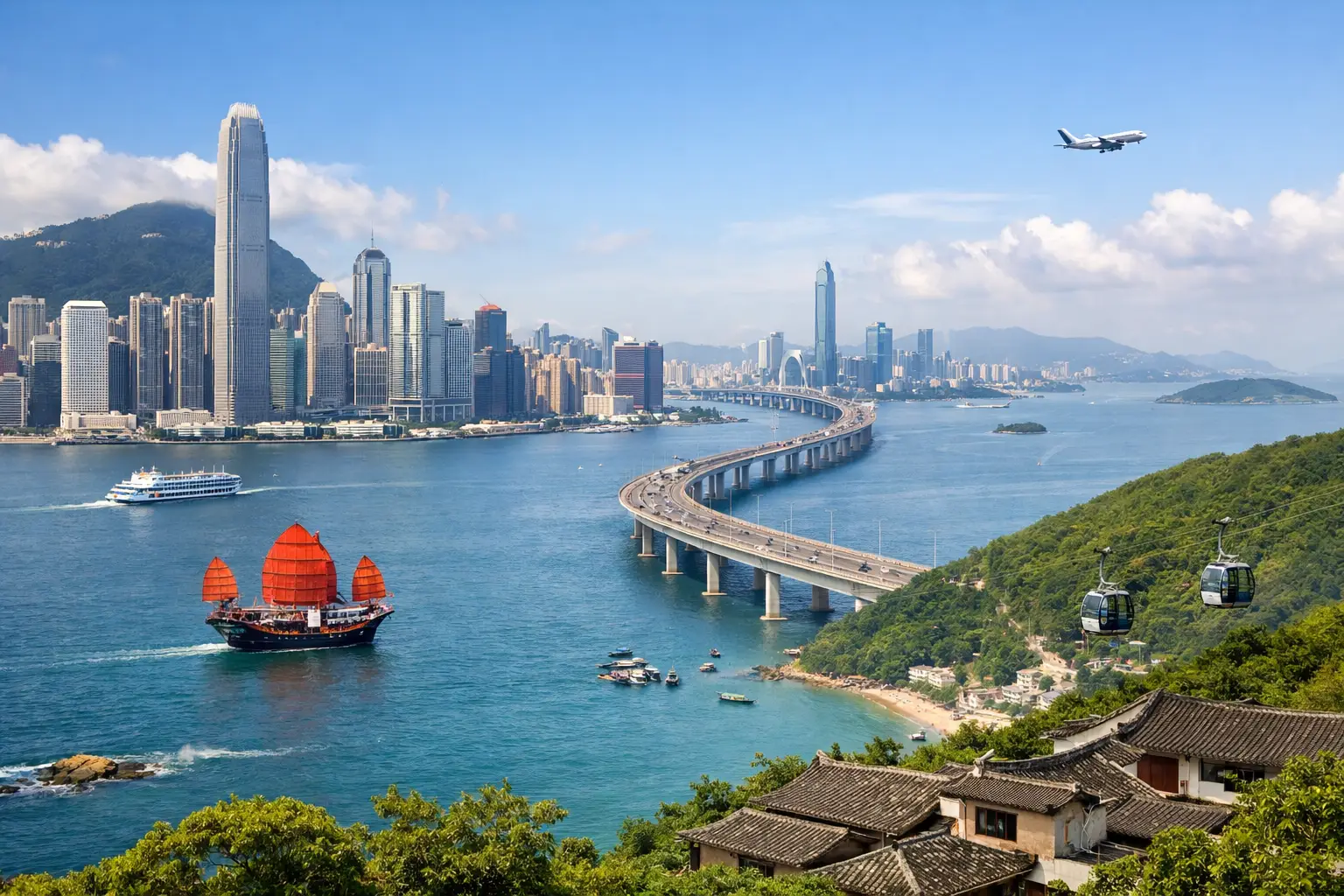
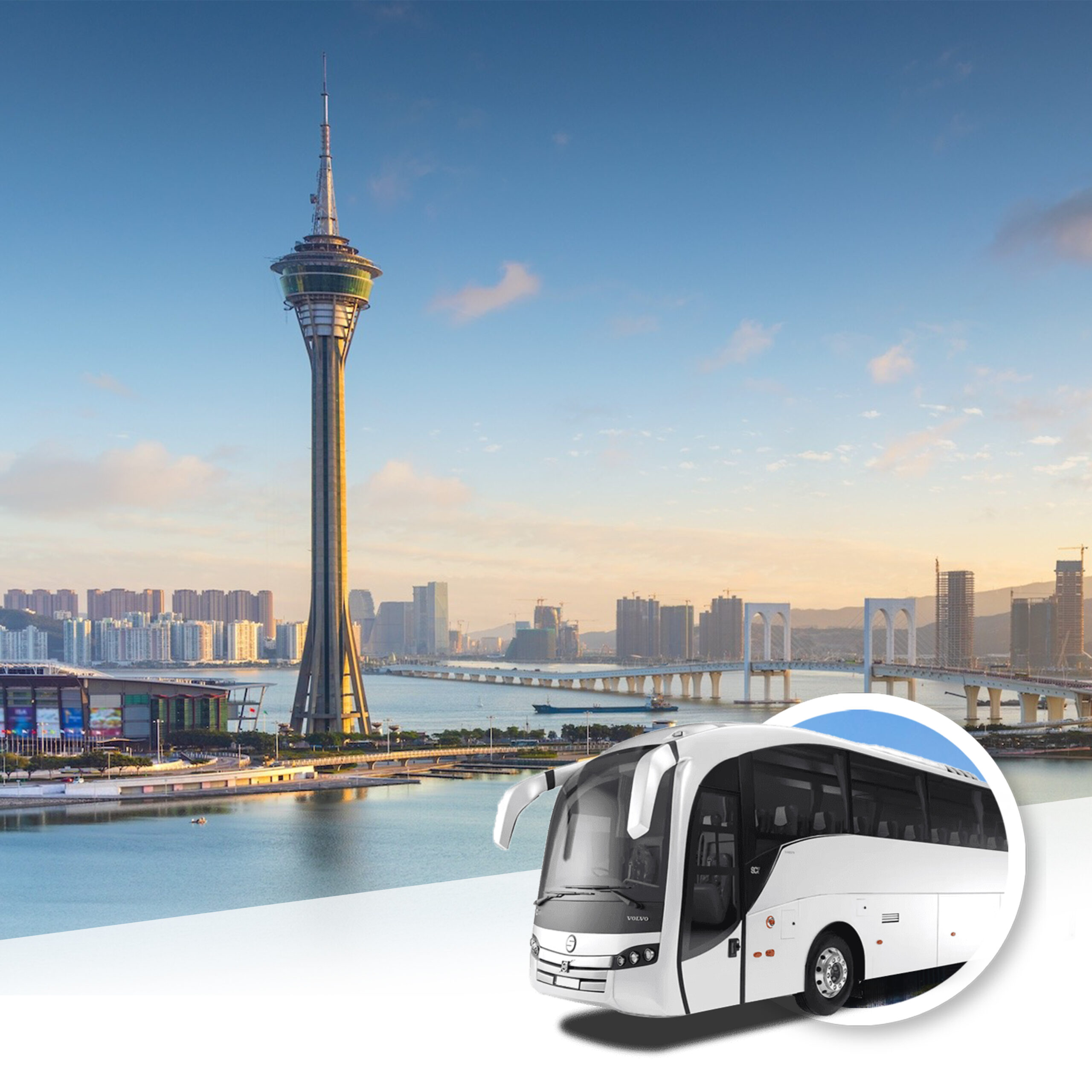
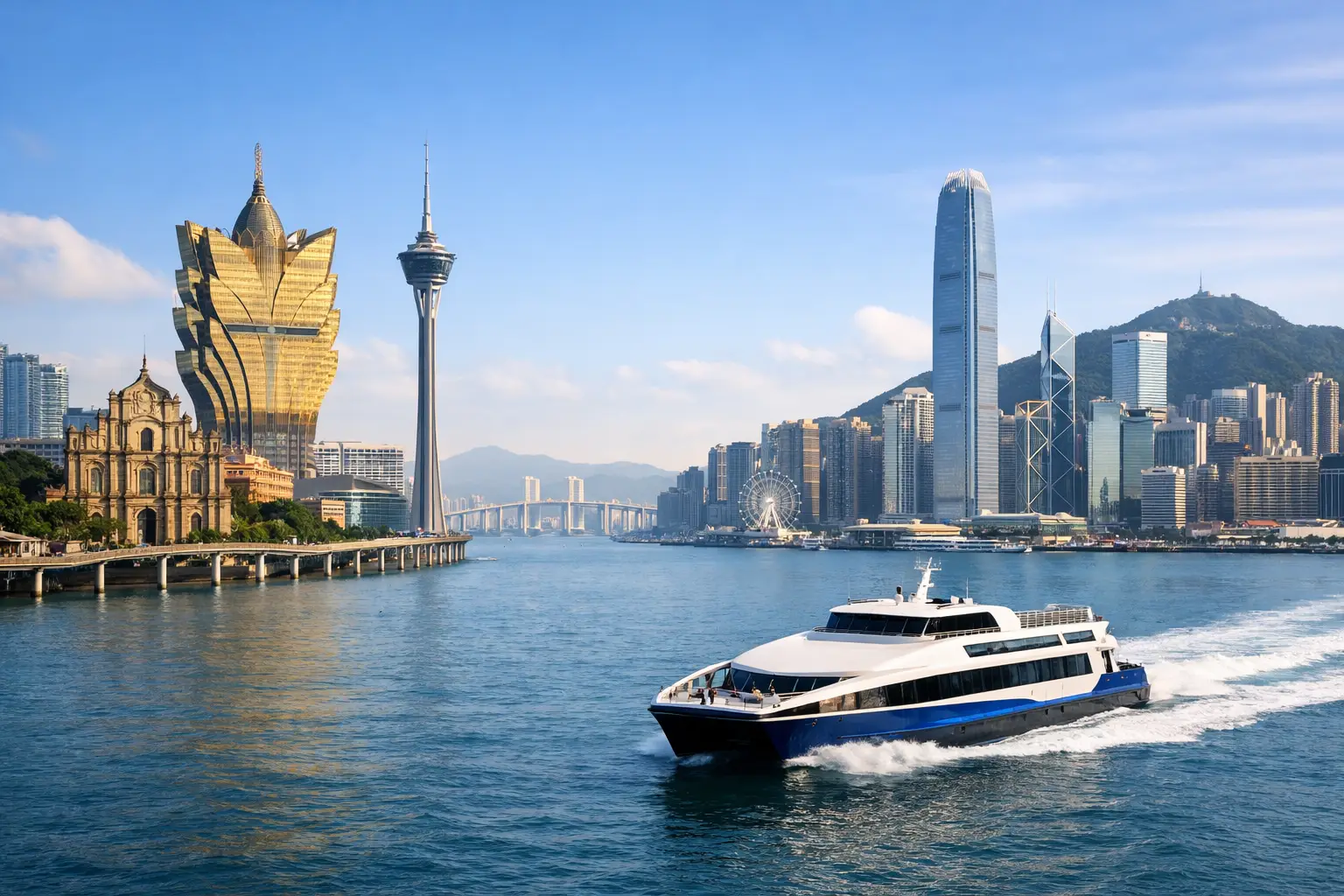
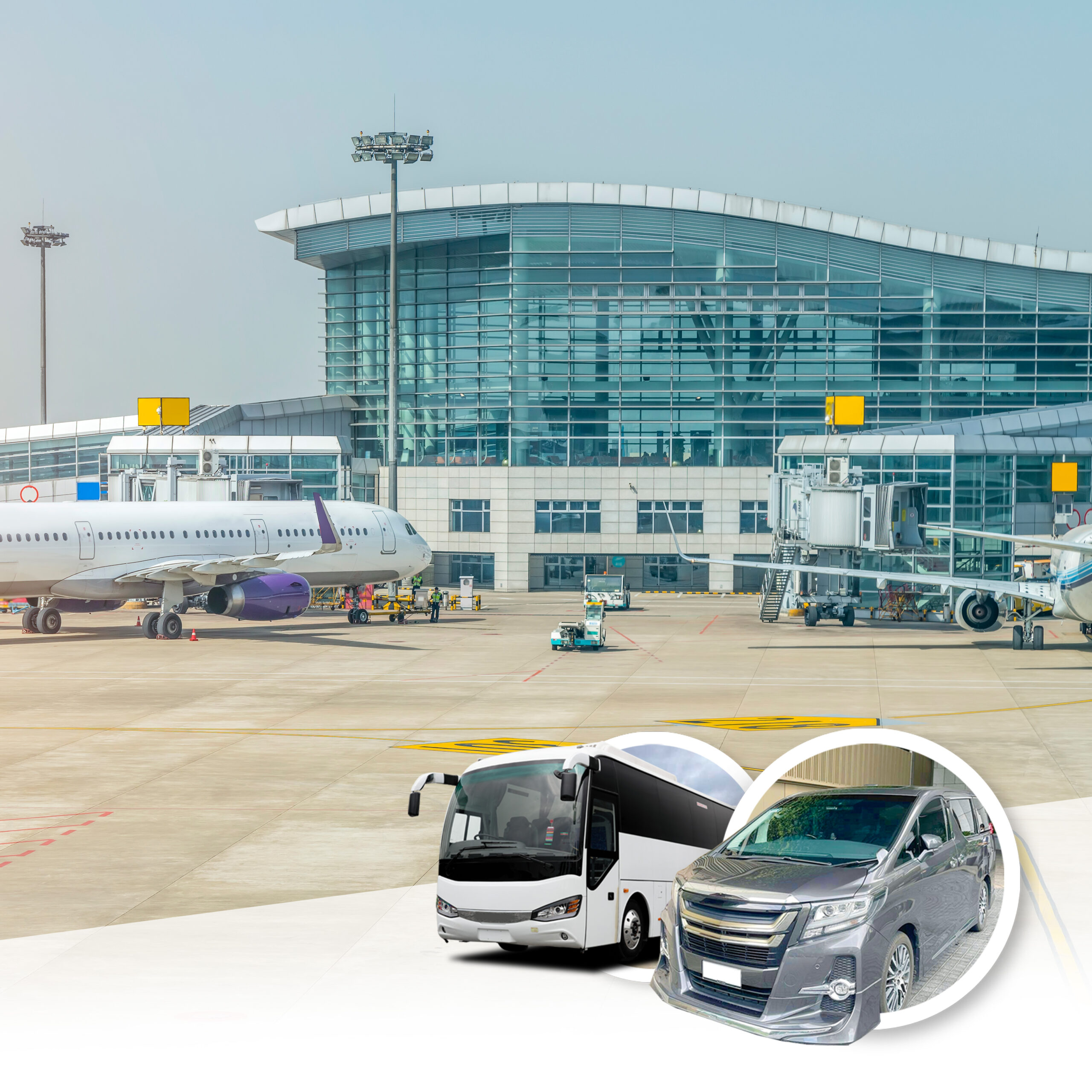
A three-city day used to sound ambitious. Now, for many visitors, it is the reason they book the trip. That shift says a lot about greater bay area tourism trends: travelers are no longer looking at Hong Kong, Macau, Shenzhen, Zhuhai, and Guangzhou as separate pins on a map. They are planning them as one connected travel experience, and that changes what people expect from transport, itineraries, and guided service.
For international visitors, especially families, small private groups, and travelers on limited schedules, the appeal is clear. The Greater Bay Area offers very different city personalities within a relatively compact region. You can move from Hong Kong’s skyline and island culture to Macau’s heritage streets, then continue to Shenzhen’s modern districts or Guangzhou’s food scene without needing a completely different trip mindset each time. The opportunity is bigger than before, but so is the need for smart planning.
What greater bay area tourism trends are really showing
The biggest trend is not just higher interest in the region. It is a different style of demand. Travelers want more value from each travel day, but they do not want that value to come from rushing, guesswork, or complicated transfers. They want comfort, structure, and enough flexibility to make the trip feel personal.
That is why private, customized travel is becoming more attractive across the region. Public transit can be excellent in some segments, but once a trip includes borders, luggage, older relatives, children, cruise timing, airport pickups, or multiple stops, convenience starts to matter more than the lowest price. Many travelers are willing to pay more if it removes uncertainty and gives them a better day on the ground.
Another important shift is that visitors are choosing destination combinations based on experience, not just geography. Hong Kong plus Macau remains popular, but more travelers now add Shenzhen for innovation, art spaces, shopping, or business extension. Others pair Guangzhou with food-focused sightseeing or add Zhuhai for a calmer pace. This means the winning itinerary is often not the most famous one. It is the one that fits the traveler’s energy, interests, and schedule.
Multi-city travel is becoming the default
One of the clearest greater bay area tourism trends is the rise of multi-city planning. Travelers increasingly assume they can see more than one destination in a single trip, and in many cases they can. Better regional connectivity has made these combinations more realistic, especially for visitors who want to avoid changing hotels too often or losing time to transit confusion.
Still, there is a trade-off. Just because cities are connected does not mean every route is simple for every traveler. Border procedures, pickup rules, vehicle arrangements, and local timing can vary. A couple on a flexible vacation may be comfortable piecing together trains and ferries. A family with strollers, a corporate group, or cruise passengers with fixed return times usually need something tighter.
That difference matters because the trend is not only about seeing more places. It is about reducing friction while doing it. The operators that stand out are the ones that can combine sightseeing with transfers, not treat them as separate problems.
Private transport is moving from luxury to practical choice
A few years ago, private vehicles in the region might have been viewed mainly as a premium add-on. Now they are often a practical tool. That does not mean every visitor needs a private charter, but it does explain why demand keeps growing.
Travelers are more aware of the hidden cost of self-managing logistics. Missed connections, unclear meeting points, language barriers, and long walks between transfer points can turn an exciting itinerary into a tiring one. When the trip includes airport arrivals, hotel changes, day touring, and cross-border movement, private transportation starts to look less like indulgence and more like good planning.
This is especially true for mixed-needs groups. Grandparents may need less walking. Kids may need flexible timing. Muslim travelers may want an itinerary that takes meal planning seriously. Corporate visitors may need a polished schedule with very little room for delays. In all of these cases, comfort and control are part of the experience, not separate from it.
Travelers want curated time, not just transportation
Transport alone is no longer enough. Another strong trend is the demand for curated experiences built around a clear travel style. Visitors are looking for foodie outings, culture-led day trips, scenic photo stops, easy family pacing, and interest-based planning instead of generic city loops.
This is an important shift because the Greater Bay Area can overwhelm first-time visitors with options. The answer is not always to add more attractions. Often it is better to select fewer stops that fit the traveler well. A family may enjoy a balanced day with iconic views, one cultural stop, and an easy meal plan. A repeat visitor might prefer neighborhood food experiences or a themed route with less emphasis on landmarks.
The practical takeaway is simple: travelers increasingly value curation that saves decision-making time. They do not just want access to a city. They want someone to shape the day around what is actually enjoyable.
Shorter trips are driving higher expectations
Many visitors now arrive with compressed schedules. Some are adding the region to a broader Asia itinerary. Others are extending a work trip or planning around a cruise stop. As a result, they expect more from each half-day or full-day booking.
That creates pressure on itineraries to be realistic. A plan can look great on paper and still feel exhausting in real life. The better approach is to build around transit time, border time, meal timing, and walking tolerance from the beginning. A strong day trip should feel smooth, not crowded.
This is where local planning makes a difference. Visitors often underestimate how much energy is lost when a schedule depends on too many precise handoffs. A simpler route with private pickup and a well-sequenced sightseeing plan often delivers more memorable travel than an overly ambitious checklist.
Regional travel is becoming more family- and group-focused
Another notable change is the rising share of family and private group bookings. The Greater Bay Area works well for these travelers because it offers variety. Different ages and interests can often be accommodated within one broader trip. One traveler may want shopping, another history, another food, another skyline views.
But group travel exposes every weak point in logistics. Coordination gets harder as group size grows. So does the need for reliable timing, enough luggage space, and easy point-to-point movement. That is why organized private travel is gaining ground, particularly for families, reunions, and premium small groups.
For these travelers, the best service is not necessarily the flashiest one. It is the one that removes hassle. A dependable driver, a realistic schedule, and one point of contact for itinerary changes can matter more than adding another attraction.
Cross-border ease will keep shaping booking decisions
One reason these greater bay area tourism trends matter is that cross-border confidence influences whether people book a regional trip at all. Many international visitors are interested in combining cities, but hesitate when they picture immigration procedures, transport changes, or uncertainty around route planning.
That hesitation is real, and it should not be dismissed. For some travelers, independent planning is part of the fun. For others, it is exactly what keeps them from booking more ambitious itineraries. The easier the process feels, the more likely visitors are to expand from a single-city stay into a regional trip.
This is also where premium travel providers have an advantage. When one service can organize private touring, airport transfers, and intercity movements as a connected plan, the traveler gets a simpler decision. That is one reason companies such as MyHKTour fit the direction of the market so well. The demand is moving toward bundled convenience with local insight, not isolated transport segments.
What travelers should expect next
Looking ahead, expect the region to attract more travelers who want flexibility without chaos. Demand will likely continue rising for private day tours, custom multi-city itineraries, and transport that supports sightseeing rather than interrupting it. First-time visitors will still want signature highlights, but repeat visitors will increasingly ask for niche experiences and better pacing.
At the same time, price sensitivity will not disappear. Some travelers will still choose public transit for parts of the trip and private services for key days. That hybrid approach makes sense. The point is not that every trip should be fully private. It is that more travelers now recognize where comfort and time savings are worth paying for.
The smartest way to plan this region is to treat logistics as part of the vacation experience. When transport, timing, and sightseeing work together, the Greater Bay Area feels connected in the best possible way – varied, efficient, and surprisingly easy to enjoy.