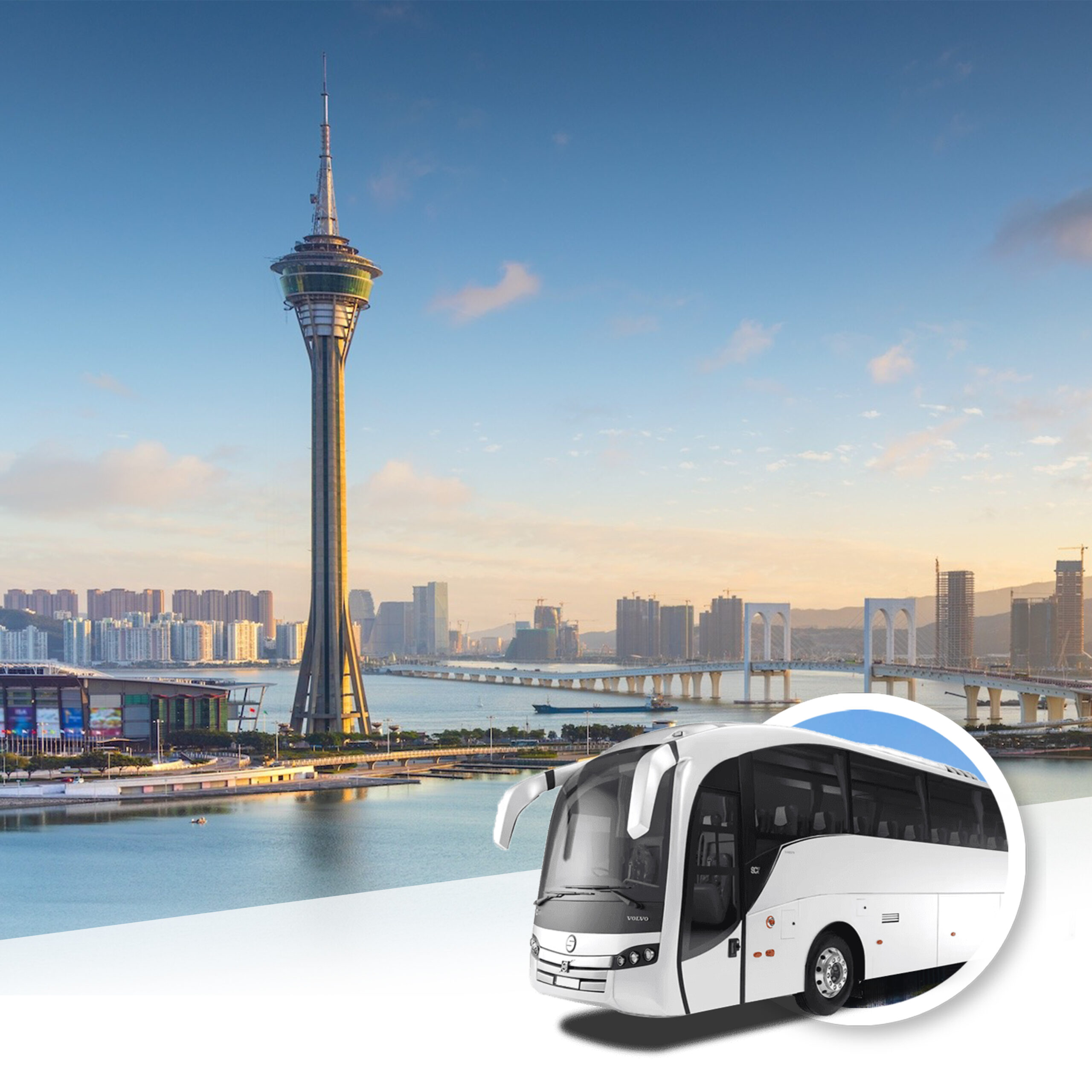
A group can lose an hour before sightseeing even begins: waiting for late arrivals, splitting into taxis, discovering that luggage will not fit, or realizing a border crossing needs more preparation than expected. Learning how to organize group charter travel starts with preventing those small problems before they become a stressful first day.
For families, corporate groups, cruise passengers, and friends traveling together, a private charter keeps everyone on one plan. The key is to organize the trip around real needs – not just the number of seats on a vehicle.
Start With the Non-Negotiable Trip Details
Before requesting a quote or choosing a vehicle, confirm the information that will shape every other decision: your travel date, pickup time, pickup location, drop-off point, group size, luggage count, and planned stops. A charter that works well for a hotel-to-airport transfer may not be the right fit for a full-day sightseeing itinerary with several attractions and shopping bags.
Passenger count deserves a closer look. Include infants and children, even if they will use child seats, and consider whether any guests need extra boarding assistance. If your party may grow, plan for the expected maximum rather than booking exactly to the current headcount. Adding one or two people at the last minute is much easier when there is space already available.
Luggage is the detail travelers most often underestimate. A group of eight with carry-on bags needs very different storage from eight travelers arriving with large suitcases, strollers, and shopping. Share an honest estimate of luggage sizes when arranging your charter. Comfort depends on both passenger seating and cargo space.
How to Organize Group Charter Transportation by Route
Your route determines the vehicle, driver schedule, timing, and price. A simple one-way airport transfer is straightforward. A day trip with hotel pickup, a scenic stop, a guided visit, lunch, and an evening return requires a more detailed plan.
Write the itinerary in the order the group will travel, including preferred arrival times rather than only naming destinations. For example, “arrive at the cruise terminal by 4:00 p.m.” is more useful than “visit the city and return to the ship.” It gives the transport team a firm deadline and helps them recommend realistic sightseeing time.
In Hong Kong, traffic patterns, tunnel routes, attraction opening hours, and peak travel periods can all affect the day. A local driver or guide can help adjust the order of stops so the group spends less time on the road and more time enjoying the destination. Flexibility is valuable, but the day still needs a sensible framework.
For longer routes, build in breathing room. Allow time for restroom breaks, meal stops, photos, slower walkers, and the simple process of getting a large party on and off the vehicle. A packed itinerary can look efficient on paper but feel rushed in practice.
Plan Cross-Border Travel Separately
Travel between Hong Kong, Macau, Shenzhen, Zhuhai, or Guangzhou requires more than adding driving time. Each traveler needs the appropriate travel documents and permissions for the route. Border procedures, holiday crowds, and vehicle arrangements can affect the schedule.
Tell your charter provider early if your group will cross a border. Confirm every pickup and drop-off location, the number of travelers, luggage, and whether anyone has a passport, visa, or entry requirement that needs additional attention. The transport team cannot advise on individual immigration eligibility, but they can plan the route and timing around the operational requirements.
A cross-border charter is especially useful when your group includes children, older relatives, or travelers unfamiliar with regional transit. Staying together reduces the confusion of coordinating separate trains, ferries, taxis, and meeting points after arrival.
Choose a Vehicle for Comfort, Not Just Capacity
The cheapest option that technically fits everyone is not always the best choice. A vehicle should give passengers enough room to sit comfortably for the length of the journey, with space for bags and easy access for the group’s needs.
A private sedan or luxury van can suit couples, families, and small groups with light luggage. A larger van gives more room for extended families or airport arrivals. For groups of more than 40, a bus charter keeps the party together and makes coordination far easier than arranging multiple vehicles.
Consider the nature of the day as well. For a short transfer, a practical vehicle may be enough. For a full-day tour, multi-city journey, or business itinerary, extra legroom, luggage capacity, and a more comfortable cabin make a meaningful difference. If guests are arriving from a long-haul flight, choosing a roomier option is often worth it.
Ask whether the quoted vehicle includes a driver only or also a local guide. A driver provides private transportation and route support. A guide adds destination context, helps the group move efficiently through attractions, and can make cultural sites, food stops, and local neighborhoods more rewarding. The right choice depends on how independent your group wants to be.
Set a Clear Budget and Scope
Group charter pricing is usually shaped by vehicle type, duration, route, mileage, number of stops, driver hours, cross-border arrangements, parking, tolls, and guide services. Share your preferred budget range if you have one, but do not reduce the request to a single number without explaining the trip.
A clear scope makes quotes easier to compare. Check whether the service is one-way or round-trip, how many hours are included, what happens if the itinerary runs late, and which expenses are included or separate. For airport and cruise transfers, confirm waiting time and the process if a flight or ship schedule changes.
If the group has a fixed schedule, ask for a plan that prioritizes the essential stops first. If the day is more relaxed, a flexible hourly charter may be better. Neither approach is automatically better. It depends on whether your group values a firm itinerary, spontaneous exploration, or a balance of both.
Confirm the Details Before Travel Day
A few days before departure, send the final passenger count and a contact number for the group leader. Confirm the vehicle type, driver or guide contact process, pickup location, pickup time, planned route, and any special requests. If the hotel has multiple entrances, identify the exact meeting point to avoid a frustrating search with luggage in hand.
For larger parties, appoint one decision-maker and one backup contact. This prevents conflicting instructions when guests begin suggesting last-minute changes. The group leader does not need to manage every moment, but they should be able to confirm timing and communicate changes quickly.
It also helps to share a simple itinerary with every traveler. Include the meeting time, dress expectations, documents needed for cross-border travel, meal plans, and the expected return time. Guests who know the plan are more likely to arrive prepared and on time.
Make the Day Easier for Everyone
On travel day, ask guests to be ready 10 to 15 minutes before the scheduled pickup. Keep passports and essential documents accessible rather than packed deep inside luggage. If you are traveling with children, bring snacks, water, entertainment, and any required child seats or supplies discussed in advance.
Avoid changing several stops at once while the group is already on the road. Small adjustments are normal, especially when weather or traffic changes, but major rerouting can reduce time at the places your group most wants to see. Speak with the driver or guide early if priorities change.
For travelers planning a customized itinerary across Hong Kong and nearby cities, MyHKTour can coordinate private vehicles, local guidance, sightseeing, and cross-border logistics in one arrangement. That means fewer moving parts for the person responsible for the group.
A well-organized charter should feel almost invisible once the trip begins. Your group should be focused on the harbor views, local food, family conversations, and stories of each place – while the transport plan quietly keeps everyone moving together.