Shenzhen can turn into a tiring day fast if you treat it like a city where everything is close together. It is not. If you are figuring out how to plan Shenzhen sightseeing smartly, the real job is not choosing famous places at random. It is building a route that respects border time, district layout, traffic, walking distance, and your group’s energy.
For many travelers, Shenzhen looks simple on paper. Modern skyline, shopping, parks, food streets, theme parks, and easy access from Hong Kong. But once you start mixing a morning border crossing with museum hours, lunch timing, and a late-afternoon transfer, the day can either feel smooth or feel rushed. The difference usually comes down to planning around geography, not just attraction names.
How to plan Shenzhen sightseeing smartly from the start
The smartest Shenzhen plans begin with one question: what kind of day do you actually want? A family with children usually needs a very different route from a couple interested in design, or a corporate group with limited free hours. Some travelers want a skyline-and-shopping day. Others want culture, local food, green spaces, or a relaxed cross-border add-on to a Hong Kong itinerary.
Trying to do a little of everything is the most common mistake. Shenzhen is large, and its districts do not work well as a casual all-in-one loop. If you pack in too many different zones, you spend the day in transit instead of sightseeing. A better approach is to choose one primary district and, at most, one nearby secondary area.
For example, Futian works well for a polished city day with modern landmarks, civic architecture, and convenient access. Nanshan is a stronger fit if your interests lean toward attractions, leisure areas, and waterfront views. Luohu can make sense for travelers focused on shopping or those who want to stay close to the border. Overseas Chinese Town and nearby attractions deserve their own block of time rather than being treated like a quick stop.
Pick a route by district, not by wishlist
This is where many first-time visitors save the most time. Instead of making a list of the “top 10 things to see,” match your route to one zone and one travel style.
For a first visit
A first-time Shenzhen day is usually strongest when it mixes a few signature city views with one cultural or leisure stop and one meal destination. Futian and Nanshan are often the easiest starting points because they give you a clear sense of modern Shenzhen without forcing long transfers between stops.
If your group prefers a clean, efficient city overview, focus on broad boulevards, civic landmarks, observation points, and a well-chosen shopping or dining stop. This kind of itinerary feels balanced and does not require constant pace changes.
For families
Families usually do better with fewer stops and more space. Parks, themed attractions, waterfront areas, and places with flexible meal options tend to work better than a museum-heavy plan. A route that looks light on paper can still feel full once restroom breaks, snack stops, and slower walking speeds are factored in.
In practice, one major attraction plus one relaxed secondary stop is often enough for a satisfying family day.
For food and local atmosphere
If the goal is eating well and seeing a less polished side of the city, build the day around neighborhoods and meal timing, not landmarks. Shenzhen rewards travelers who leave room for a proper lunch, local dessert break, or evening food street atmosphere. That does mean accepting fewer headline sights. The trade-off is a day that feels more personal and less mechanical.
Border timing changes everything
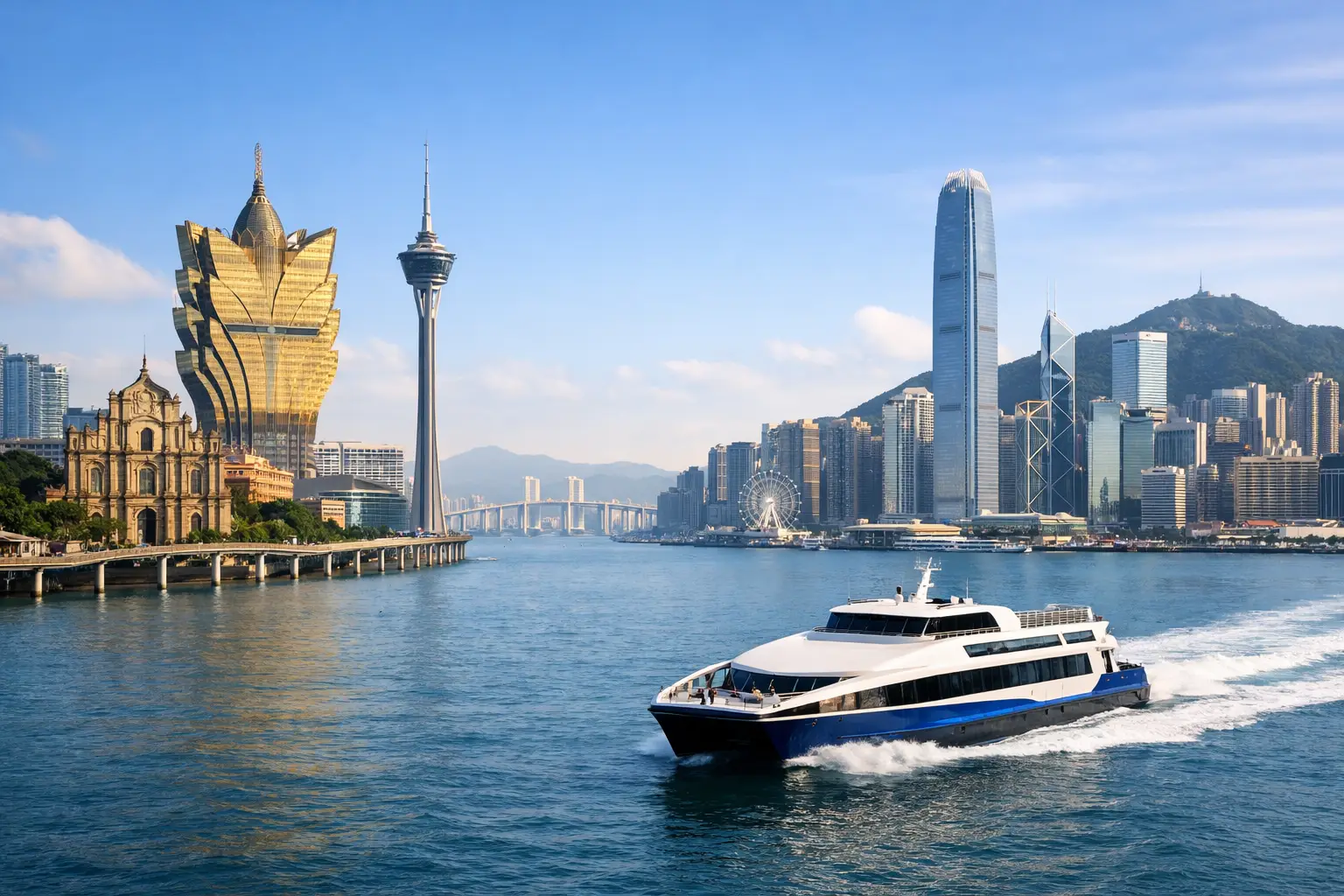
If you are entering Shenzhen from Hong Kong, your sightseeing plan starts before the first attraction. Border crossing times can affect the entire rhythm of the day, especially on weekends, holidays, and school breaks.
A plan that looks perfect with a 30-minute crossing can become stressful if the crossing takes much longer. That is why it helps to avoid an overcommitted morning. If your first reservation is too tight, the whole day starts behind schedule.
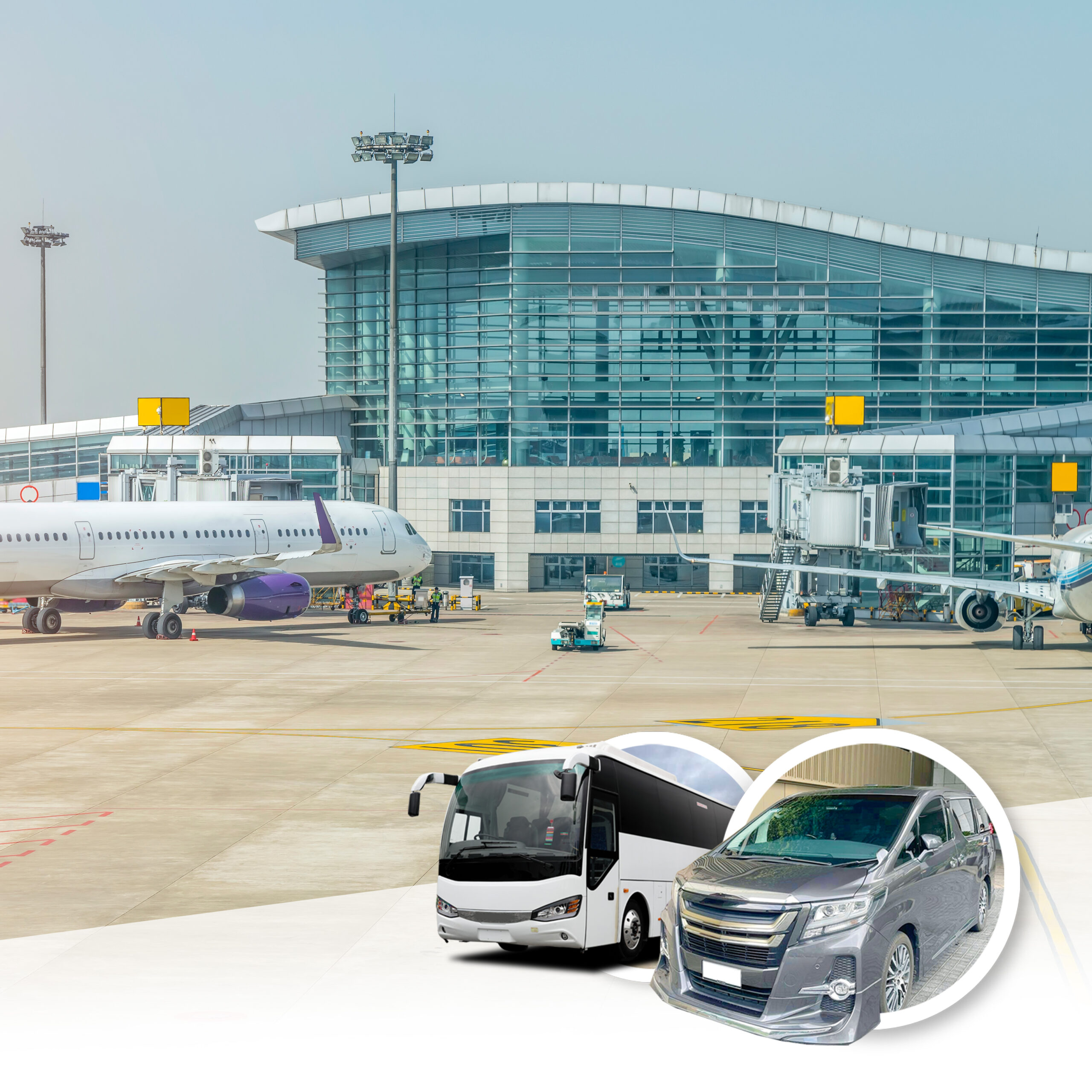
The smartest approach is to keep the first sightseeing stop flexible and place any fixed meal or activity later in the day. Travelers who want comfort often prefer private cross-border arrangements because they reduce the guesswork of public transfers, station navigation, and separate vehicle coordination. For groups, this matters even more. Saving 20 minutes at each transition adds up quickly.
Time of day matters more than people expect
Shenzhen is not just about where you go. It is about when you go.
Late morning to early afternoon often works well for indoor attractions, shopping districts, or museums. Parks, waterfront promenades, and observation areas are usually better saved for later, when the light is softer and walking feels easier. If your itinerary includes a skyline view or photo-heavy stop, late afternoon is often the best value for your time.
Meal timing also matters. A rushed lunch in the wrong location can break the flow of a route. It is often smarter to eat near your next stop rather than wherever hunger happens to hit. That sounds obvious, but it is one of the easiest ways to avoid unnecessary backtracking.
Build around comfort, not just coverage
Shenzhen rewards efficient transport planning because distances can be deceptive. Two attractions may look close on a map but still involve awkward transfers, heavy walking, or traffic-prone roads. This is especially relevant for older travelers, families with young children, and anyone carrying shopping bags or traveling after a flight.
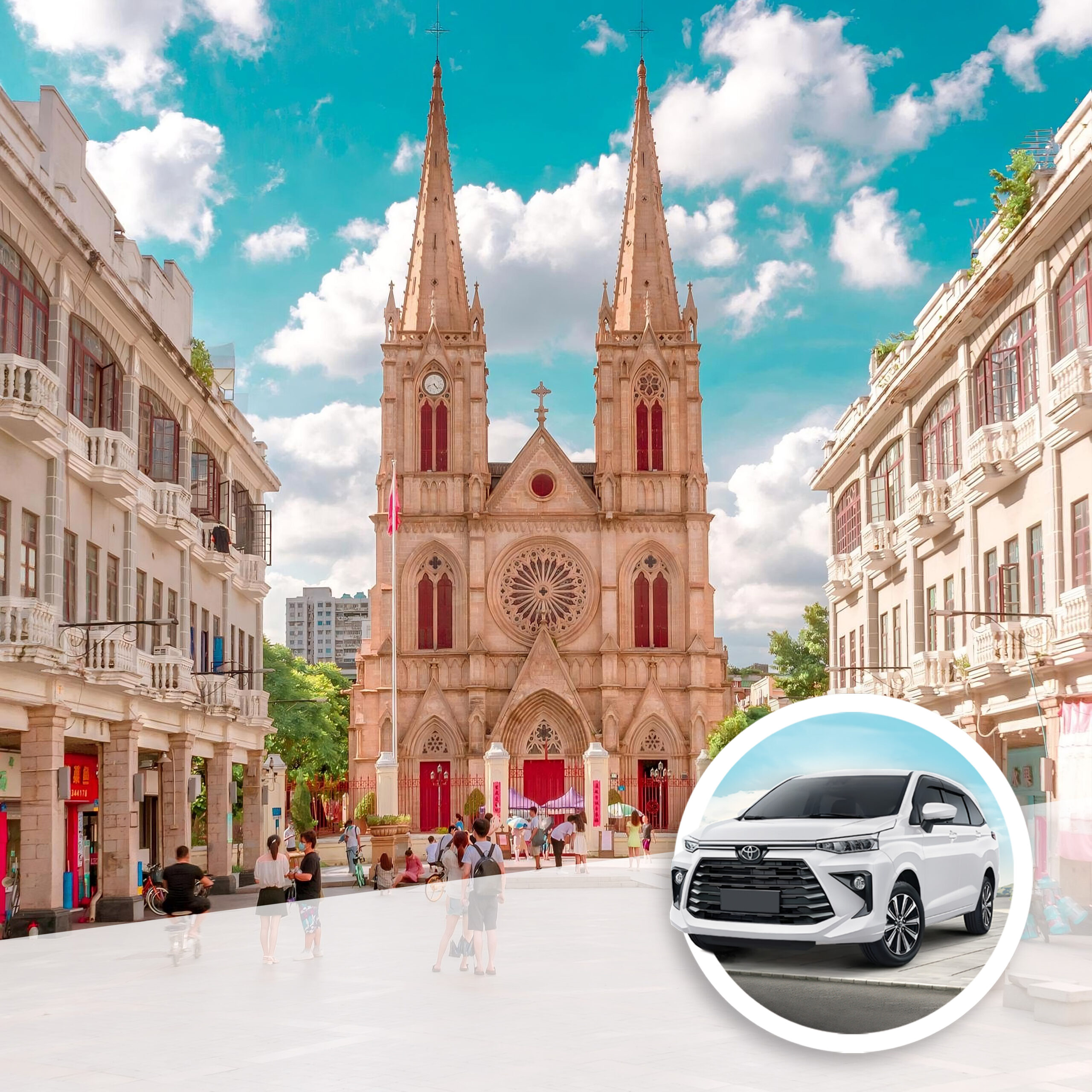
Public transit can be cost-effective, but it is not always the easiest option for a short sightseeing day. It works best when your route is simple and your group is comfortable with stations, transfer points, and local navigation. Private transport becomes more attractive when you are trying to connect several stops, travel cross-border, or keep a day comfortable rather than purely budget-focused.
That is really the larger point behind how to plan Shenzhen sightseeing smartly. The best day is not the one with the most stops. It is the one where each stop feels worth the effort it took to get there.
Know what to skip
Every strong itinerary includes restraint. Shenzhen has enough attractions to fill several days, but a single day should not try to prove that.
It usually makes sense to skip:
- Attractions that require a major detour from your main district
- More than one major shopping block unless shopping is the main purpose
- Large theme or culture parks if you only have a few hours
- Tight evening plans after a long daytime route and border return
There are exceptions. Some travelers are very happy to center the entire day around one headline attraction. Others want a shopping-focused run with very little sightseeing. That can work well if the plan is honest about priorities. Problems start when a specialist itinerary pretends it can also be a general city overview.
Match the itinerary to your group size
A solo traveler or couple can pivot more easily than a family of five or a group of ten. Larger groups need more deliberate planning around pickup points, meal seating, walking speed, and timing buffers. Corporate travelers often need the opposite of a leisure-heavy plan. They may only have half a day and need a route that delivers a clear city impression without running late.
This is where customized planning has real value. A private route can combine transport, pacing, and stop selection in a way public do-it-yourself planning often cannot. For travelers who want one organized day across Hong Kong and Shenzhen, a provider such as MyHKTour can be useful because the transport side and sightseeing side are planned together, not separately.
A simple framework for a smarter day
If you want a practical way to organize the day, think in five parts: crossing, first zone, lunch, second stop, return. That structure works because it keeps the route easy to understand and prevents overloading the middle of the day.
Start with a realistic border window. Choose one district as the main sightseeing area. Put lunch near that zone. Add one meaningful second stop only if it fits naturally. Then leave enough return time that the day still feels comfortable at the end.
This sounds basic, but most bad itineraries fail because they ignore one of those five pieces. Either the crossing is underestimated, the district plan is too broad, lunch is random, the second stop is too far away, or the return is treated as an afterthought.
What a good Shenzhen day actually feels like
A well-planned Shenzhen sightseeing day feels calm, even when it is full. You are not checking the map every 20 minutes or wondering if the next transfer is worth it. You have enough structure to keep moving, but enough flexibility to enjoy a meal, take photos, or stay longer somewhere that surprises you.
That is the real goal. Shenzhen is best experienced when the logistics fade into the background and the city has room to show its character – modern, fast-moving, green in places, and full of contrasts. Plan for flow, not just coverage, and the day will almost always give you more.