The best Lantau days usually start before the crowds do. If you want more than a quick photo at the Big Buddha, a lantau island cultural tour gives you something better – a fuller look at how faith, fishing heritage, village life, and modern Hong Kong still meet on one island.
That difference matters because Lantau is easy to oversimplify. Many visitors know the cable car, Tian Tan Buddha, and maybe Tai O. Those are worthwhile stops, but the island makes more sense when the day is planned around context, timing, and how the places connect. A good cultural route is not about rushing between landmarks. It is about seeing why they matter, while moving comfortably enough to actually enjoy them.
What a lantau island cultural tour should include
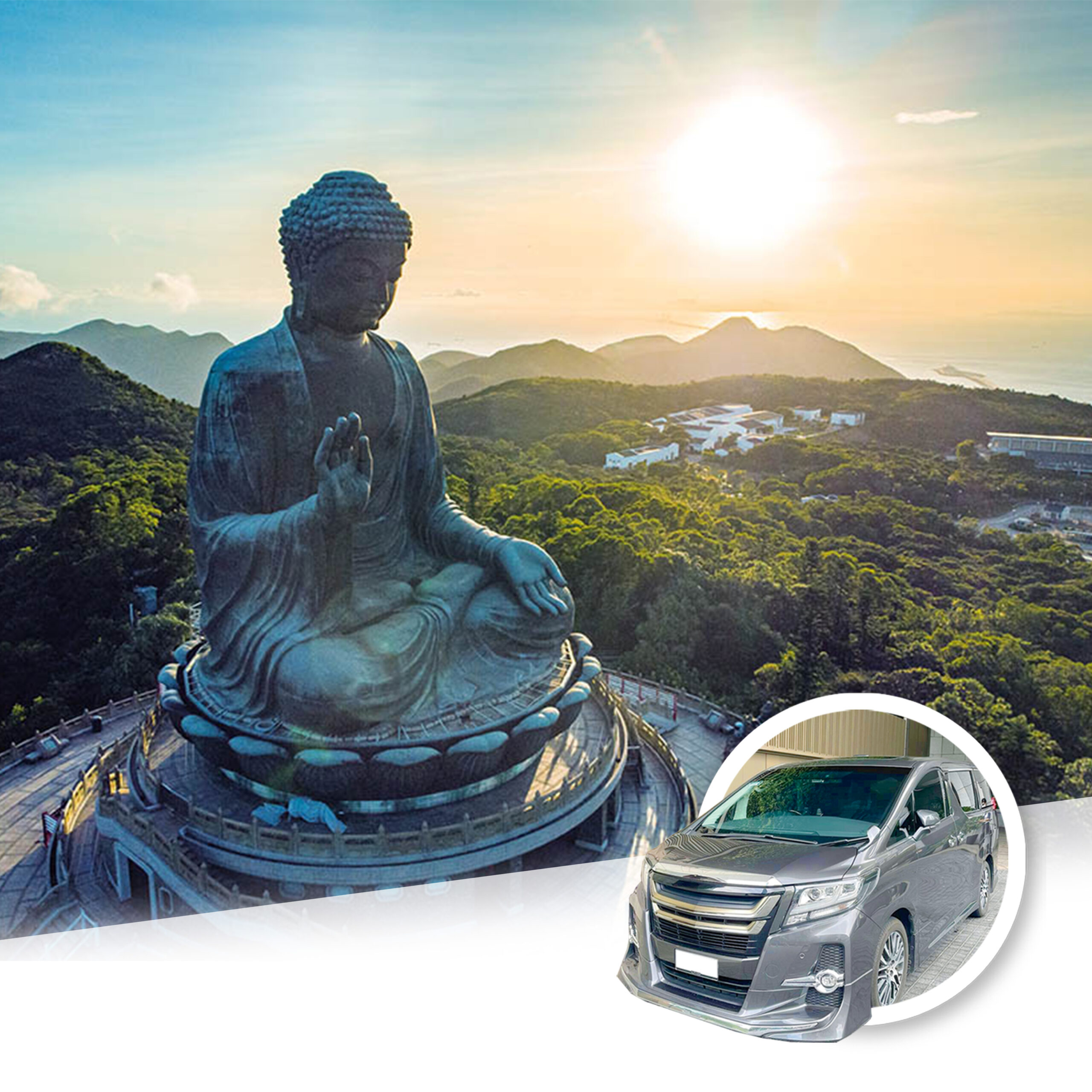
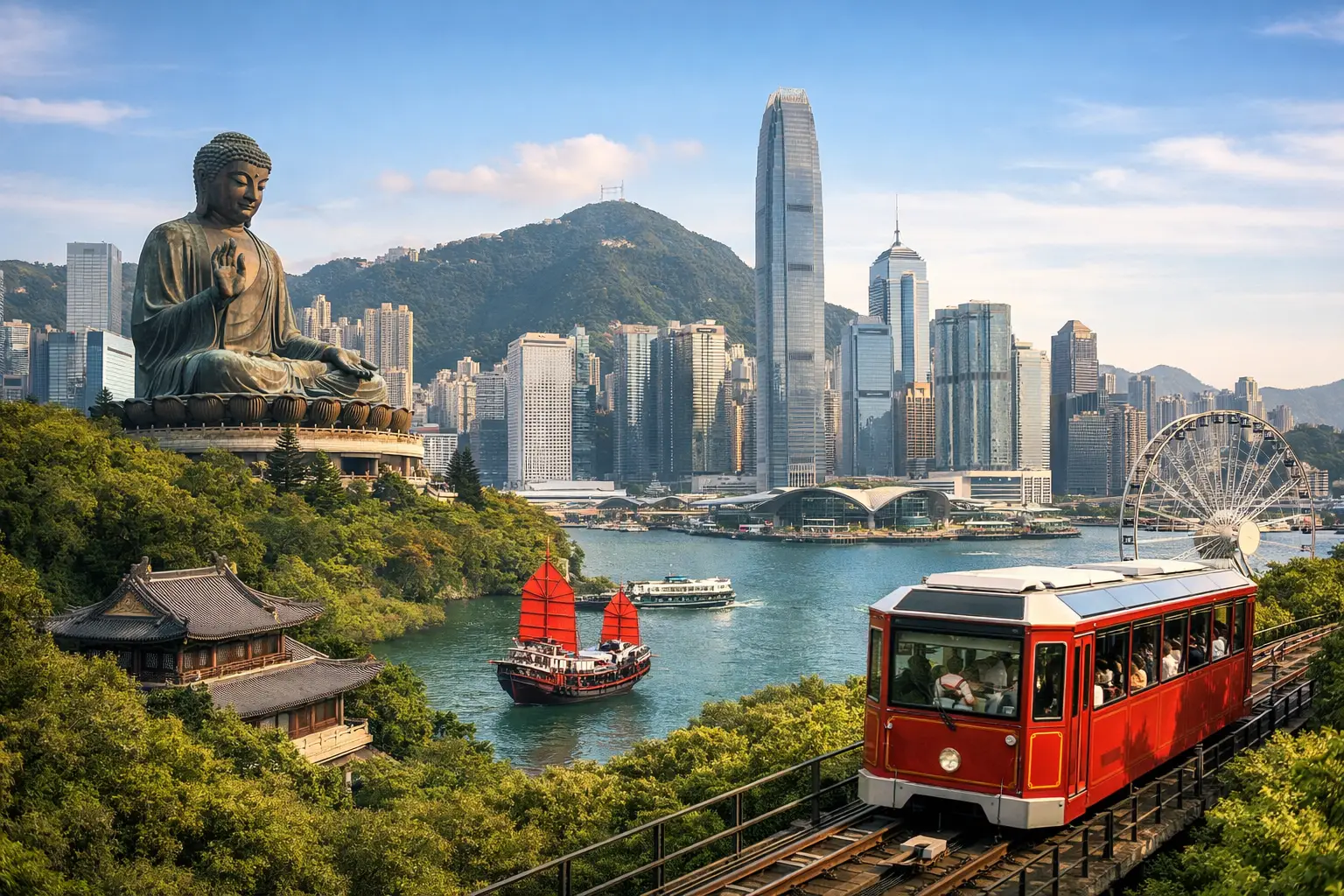
A strong cultural itinerary usually balances spiritual sites, traditional communities, and everyday local scenery. Ngong Ping is often the anchor, but it should not be the whole day. The Po Lin Monastery and Tian Tan Buddha offer the clearest introduction to Lantau’s religious side, especially for travelers who want more than surface-level sightseeing. The monastery is active, not staged, and that changes the feel of the visit.
Tai O adds a very different layer. It is often introduced as the island’s famous fishing village, which is true, but that label can be too neat. Parts of Tai O feel deeply traditional, while other parts show the realities of change, tourism, and adaptation. That tension is part of its story. Walking through the stilt-house area, local market lanes, and waterfront channels gives visitors a more grounded sense of place than a simple scenic stop ever could.
Depending on your pace and interests, a cultural route may also include quiet village areas, scenic coastal roads, and viewpoints that explain how Lantau developed differently from the denser urban parts of Hong Kong. For families or mixed-age groups, this variety helps. Not everyone wants a museum-style day, and Lantau works best when history is tied to what people can actually see, taste, and move through.
Why private planning changes the experience
Lantau looks straightforward on a map, but travel time, traffic flow, attraction timing, and crowd patterns can shape the day more than many visitors expect. Public transit is possible, but it often turns a relaxed outing into a chain of transfers, queues, and timetable decisions. That can be fine for independent travelers with extra time. It is less appealing for cruise passengers, families with kids, older travelers, or anyone trying to make the most of one day.
Private transport changes the rhythm. Instead of organizing your day around connections, your route can be organized around your priorities. If you care most about village heritage, you can spend longer in Tai O and keep Ngong Ping efficient. If this is your first visit and the Big Buddha is non-negotiable, the rest of the itinerary can be built around that without making the day feel cramped.
This is where a service-led operator has real value. MyHKTour, for example, is built around both sightseeing and transportation, which matters on an island where smooth movement can be the difference between a rushed checklist and a day that feels well paced. For many visitors, especially those combining airport transfers, hotel pickups, or multi-stop travel in the region, that convenience is not extra. It is the reason the day works.
The cultural side of Lantau is wider than the headline attractions
When travelers ask whether Lantau is worth a full day, the answer depends on what kind of day they want. If the goal is only to see one iconic statue, then no – a full private itinerary may feel excessive. But if the goal is to understand a quieter, older, and more layered side of Hong Kong, Lantau earns the time.
Ngong Ping and Po Lin Monastery
The visual scale of Tian Tan Buddha gets attention first, but the religious setting around it gives the visit meaning. Po Lin Monastery is where many visitors start to understand that this area is not only scenic but spiritual. The architecture, incense, courtyards, and mountain setting all shape the mood. A guide can help explain etiquette, symbolism, and the site’s role in local Buddhist life, which is often what turns a short stop into a memorable one.
There is a trade-off here. Ngong Ping is one of the island’s most visited areas, so timing matters. Arriving early usually makes the experience calmer. Arriving later can still work, but expectations should be adjusted if you prefer quieter surroundings.
Tai O fishing village
Tai O gives a cultural tour its human scale. It is slower, less monumental, and more lived in. The appeal is not perfection. It is texture – shrimp paste shops, dried seafood stalls, narrow walkways, weathered structures, and local snacks that feel rooted in place. For some travelers, this becomes the favorite stop because it feels less polished and more personal.
That said, Tai O is not for everyone in the same way. Visitors who dislike uneven walking surfaces, strong market smells, or rustic settings may prefer a shorter visit. Others will want extra time for photos, street food, and boat options. A private itinerary lets you adjust without forcing the whole group into one fixed pace.
How to plan the right route for your group
The best lantau island cultural tour is rarely the longest one. It is the one built around your travel style, energy level, and schedule.
Families often do best with a route that mixes major sights with open time and easy transfers. Too many stops can wear children out, especially in warm weather. Couples and small private groups usually have more flexibility to linger in temples, browse village lanes, or add a scenic drive. Senior travelers often value comfort, fewer walking-intensive transitions, and realistic pacing over trying to fit in every possible landmark.
Cruise visitors and short-stay travelers need a different level of precision. In those cases, buffer time matters. Lantau can absolutely work within a limited window, but only if the route is designed around pickup point, traffic conditions, and a clear return schedule. This is another reason custom planning tends to outperform generic bus-style touring.
Weather also plays a role. On clear days, the mountain and coastal scenery add a lot to the experience. On wet or misty days, the island can still be rewarding, but the emphasis may shift toward monastery atmosphere, village food, and indoor pauses rather than big panoramic views.
What to expect from a premium cultural tour
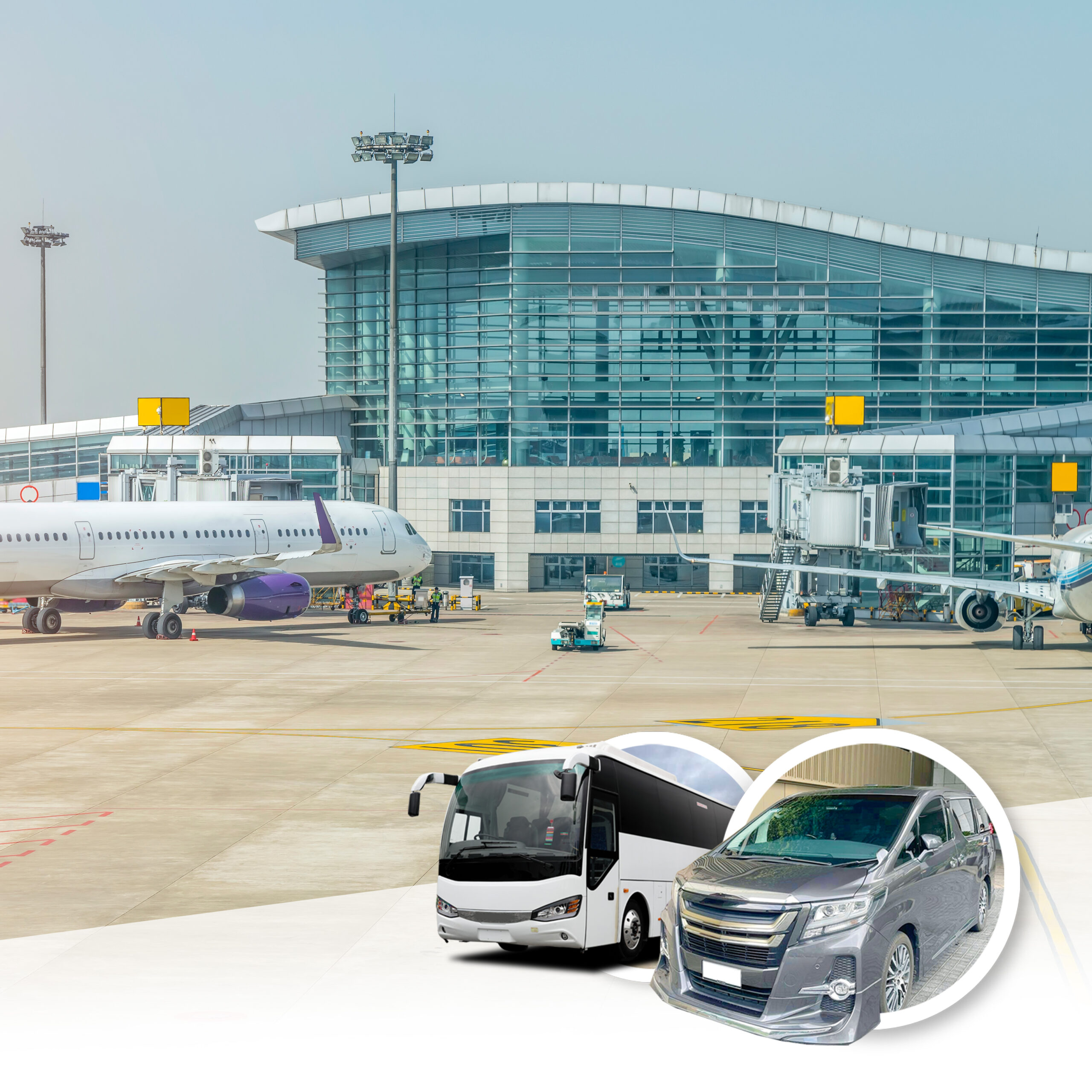
Premium does not have to mean formal. In this context, it usually means less friction and more control. Door-to-door pickup, a comfortable private vehicle, and a guide or driver who knows how to sequence the day all make a noticeable difference. So does not having to troubleshoot every decision in real time.
For international visitors, that support goes beyond comfort. It reduces uncertainty around language, route planning, and timing. It also makes it easier to customize for dietary needs, prayer timing, mobility concerns, or special interests such as photography and local food. Those details are where a cultural day either feels thoughtfully designed or just loosely assembled.
The other advantage is balance. A premium private tour should not feel over-scripted. You want enough structure to keep the day efficient, but enough flexibility to follow what interests you once you are there. Maybe you stay longer at the monastery because the atmosphere draws you in. Maybe you move faster through one stop and spend more time in Tai O. A good operator plans for that.
Is a lantau island cultural tour right for you?
If you prefer independent wandering, do not mind transit changes, and have extra time, a self-planned day can work. But if you want a smoother experience with fewer logistics and more cultural context, a private tour is usually the better fit. It is especially useful for first-time visitors, families, private groups, and travelers trying to combine comfort with substance.
Lantau rewards travelers who give it a little room. Not because every stop is dramatic, but because the island tells its story gradually – through temples, village lanes, coastlines, and the spaces between them. Plan it well, and the day feels less like sightseeing and more like finally understanding a part of Hong Kong that many visitors only skim past.