A good multi city tour itinerary example is not just a list of places. It is a timing plan, a transport plan, and an energy plan. That matters even more when your trip includes Hong Kong and nearby cities, where border crossings, hotel changes, and sightseeing hours can either fit together neatly or eat up half your day.
For most travelers, the mistake is not trying to see too much. It is combining the right places in the wrong order. A well-built route should reduce backtracking, keep transfer stress low, and leave room for the reason you came in the first place – to actually enjoy the trip.
A practical multi city tour itinerary example
Here is a five-day sample route designed for travelers who want comfort, variety, and realistic pacing. It works especially well for first-time visitors, families, private groups, and anyone who wants to combine city highlights with smooth intercity movement.
The route is simple: Hong Kong, Macau, Shenzhen, then Guangzhou. It starts with the most internationally familiar city, adds Macau while you are still close by, moves into mainland China through Shenzhen, and finishes in Guangzhou without forcing you to loop back.
Day 1: Hong Kong arrival and easy city highlights
On your first day, keep expectations reasonable. If you land in the morning and your hotel check-in is smooth, this is a good day for a half-day city introduction rather than a full sightseeing sprint.
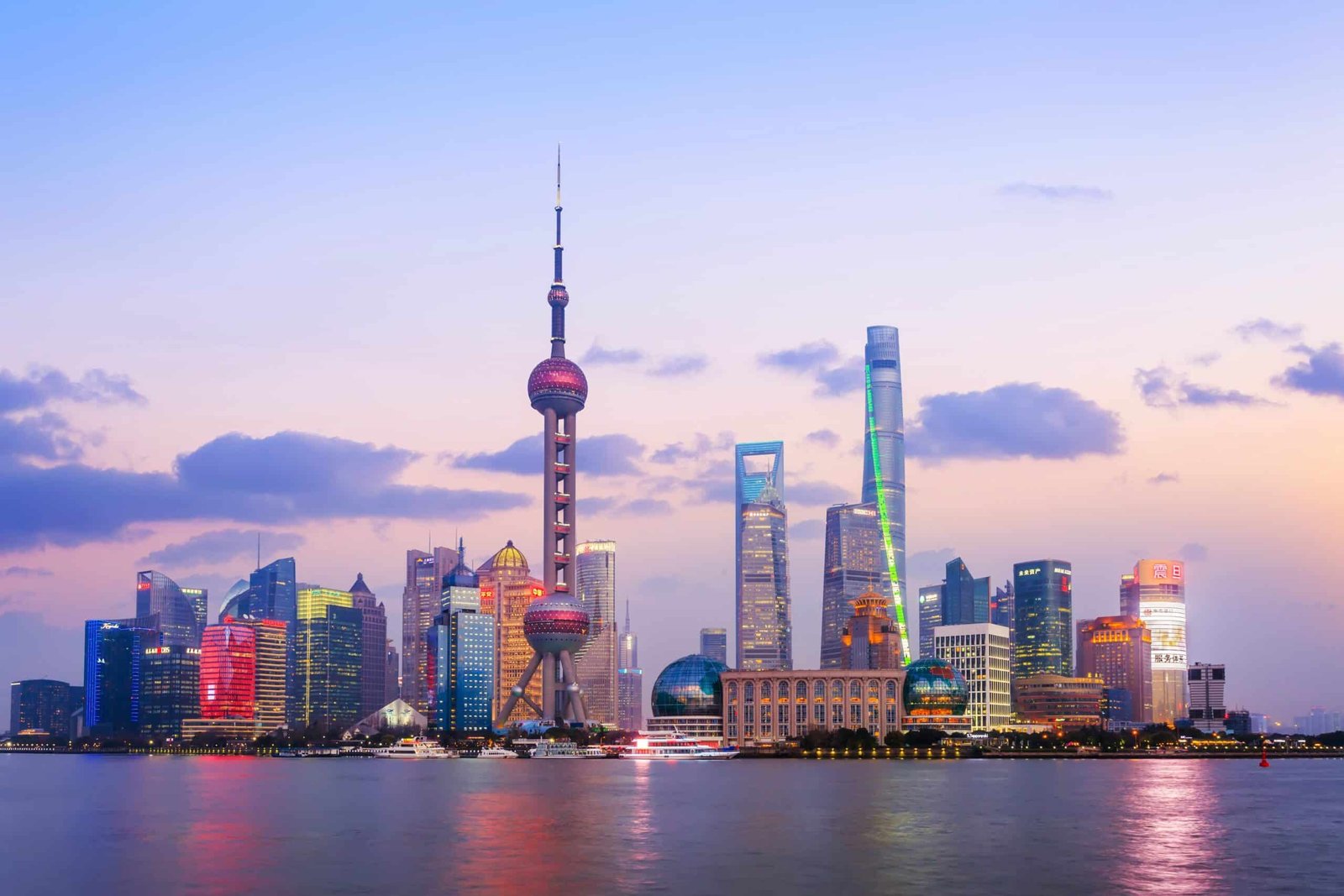
A comfortable first-day route might include Victoria Peak, Central, a Star Ferry ride, and Tsim Sha Tsui waterfront views. If your group prefers culture over skyline photos, you could swap in Wong Tai Sin Temple, a local market stop, or West Kowloon. Families often do better with fewer stops and more open time. Corporate travelers may prefer a clean route with reliable timing and a dinner reservation built in.
The point of day one is not to finish Hong Kong. It is to adjust, settle in, and start strong without creating travel fatigue on night one.
Day 2: Full-day Hong Kong by interest
Your second day is where customization matters. A private itinerary should reflect what your group actually enjoys, not what a standard coach schedule can fit.
For classic sightseeing, spend the day between Hong Kong Island, Kowloon, and one focused area like Stanley, Aberdeen, or Lantau. For food-focused travelers, a dim sum lunch, neighborhood tasting stops, and evening harbor views make more sense than rushing through museums. If you are traveling with kids, Disneyland transfers or a more relaxed route with fewer walking-heavy stops may be the better choice.
This is also the right place for themed touring. Hiking, photo spots, heritage villages, Muslim-friendly dining planning, and local culture routes all work well when they are given a full day rather than squeezed between major transfer days.
Why this multi city tour itinerary example starts in Hong Kong
Hong Kong is usually the easiest first stop for international visitors because arrival logistics are straightforward, English support is better than in many nearby cities, and there is enough variety to serve different travel styles.
Starting here also gives you time to recover from a long flight before handling cross-border movement. That may sound minor on paper, but it makes a visible difference in how the rest of the trip feels. Travelers who try to do a border transfer on the same day they land often remember the friction more than the destination.
Day 3: Macau day trip or overnight
Macau can work either as a day trip or an overnight stay. Which one is better depends on your pace and priorities.
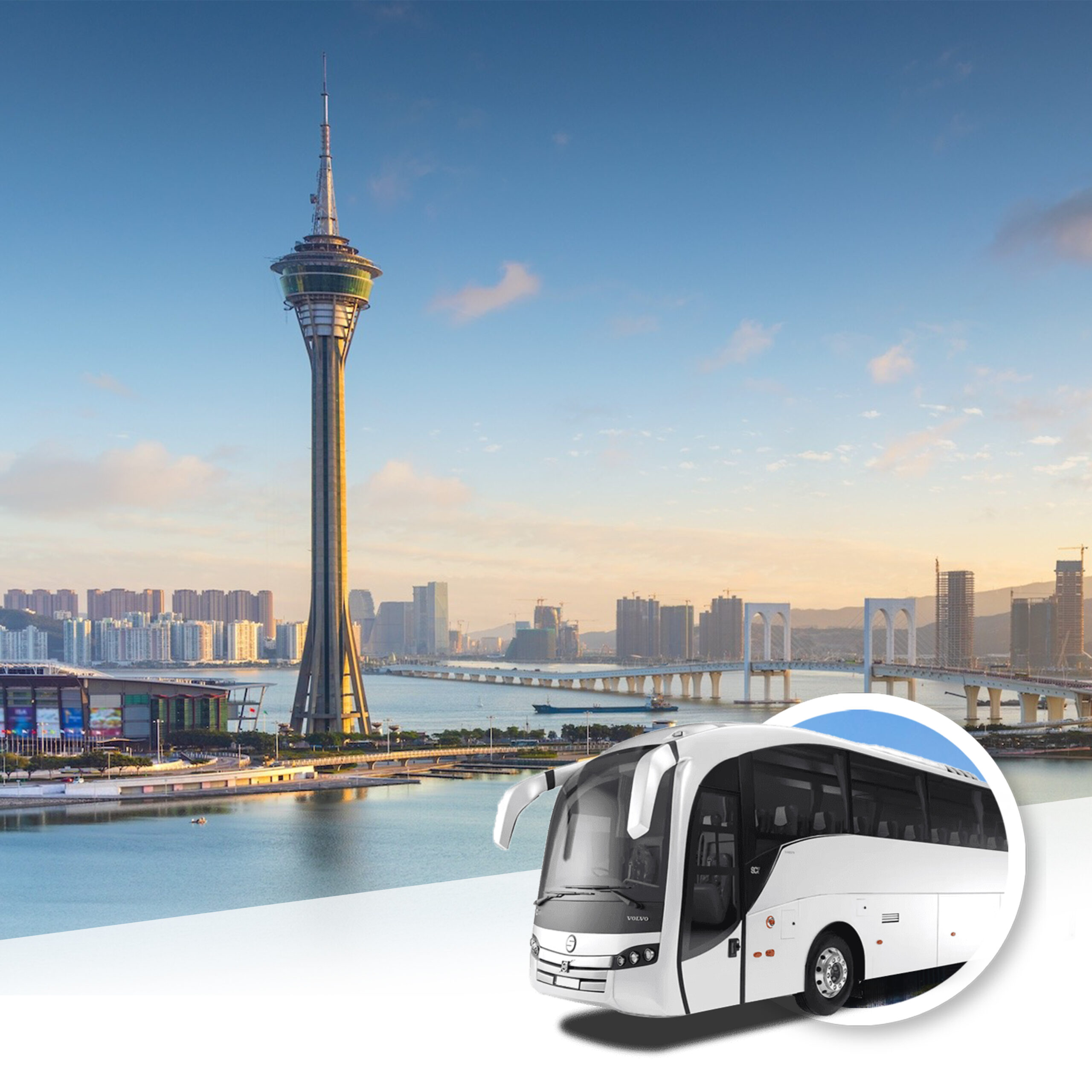
If you want UNESCO heritage sights, a few signature food stops, Senado Square, Ruins of St. Paul’s, and a look at the Cotai resort area, a well-planned day trip is often enough. If your group enjoys slower evenings, resort dining, or entertainment, staying one night gives the city more breathing room.
For first-time visitors on a five-day schedule, a day trip is usually the cleaner option. You can focus on the historic center and one modern district without spending time packing and repacking. A private transfer and guided structure help here because Macau is compact, but the day can become fragmented if ferry times, hotel pickups, and site order are not coordinated properly.
Day 4: Transfer to Shenzhen with sightseeing
After Macau or a second Hong Kong night, move into Shenzhen. This is where many self-planned itineraries become messy, because cross-border timing depends on departure point, paperwork, traffic conditions, and how your transport is arranged.
Shenzhen works best as a modern contrast to Hong Kong and Macau. It is fast, contemporary, and often underrated by travelers who only know it as a business city. A good half-day or full-day route could include civic architecture, shopping districts, parks, or food-focused neighborhoods depending on the group.
For some travelers, Shenzhen is mainly a transit-friendly bridge to Guangzhou. For others, it is a worthwhile stop in its own right. If you like contemporary city energy, short transfer times between districts, and a slightly different pace from Hong Kong, it deserves more than a quick pass-through.
Day 5: Guangzhou for culture, food, and departure
Guangzhou is a strong final stop because it offers history, Cantonese food culture, and a different urban character from both Hong Kong and Shenzhen. It feels less like a side trip and more like a proper finish.
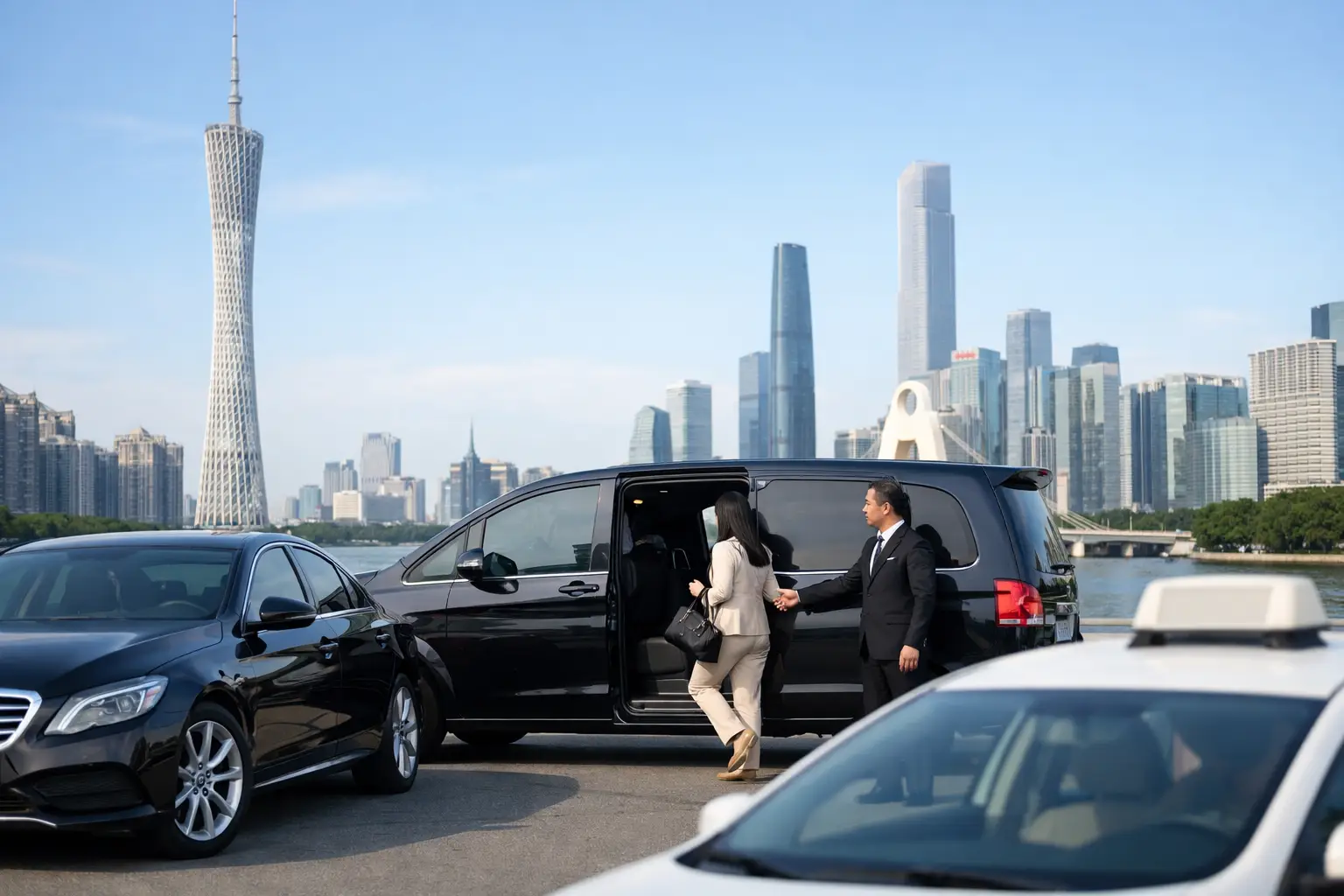
Depending on your departure plans, this day can include Chen Clan Ancestral Hall, Shamian Island, Canton Tower exterior views, or a food-centered route built around classic Cantonese dishes. If you are flying out from Guangzhou, ending here reduces backtracking. If your return flight is from Hong Kong, you need to weigh whether the extra transfer is worth it.
That is one of the most important trade-offs in multi-city planning. The most exciting route is not always the best route. Sometimes the smarter itinerary is the one that ends where your flight departs.
How to adjust the route without breaking it
The best itinerary examples are flexible, not rigid. This sample works because the cities are ordered logically, but the length of each stop can change.
If you have only four days, remove Guangzhou and keep the route to Hong Kong, Macau, and Shenzhen. If you have six or seven days, add an overnight in Macau or an extra full day in Guangzhou. Families often benefit from fewer hotel changes, while experienced travelers may prefer more movement if they want a broader regional picture.
There is also the question of guided time versus free time. Some groups want a fully escorted schedule from arrival to departure. Others want structured transport and only partial guiding. Neither is better across the board. It depends on your comfort with navigation, language, border procedures, and how much planning work you want to carry yourself.
What usually goes wrong in multi-city planning
Most itinerary problems come from underestimating transfer days. Travelers see a map and assume nearby cities mean easy movement. In reality, every city-to-city segment has hidden time inside it – checkout, pickup coordination, border formalities, luggage handling, traffic, and finding the right arrival point.
Another common issue is overloading each day. Four cities in five days already creates a quick pace. Trying to add every landmark on top of that usually turns the trip into a checklist. A better approach is to choose one anchor experience per city, then add secondary stops if timing stays on your side.
Hotel strategy matters too. One-night stays sound efficient until you are repacking every morning. If comfort is a priority, two nights in Hong Kong and one night each in one or two additional cities often feels better than changing hotels every day.
Who this itinerary works best for
This route suits first-time visitors who want to experience more than one city without managing every transfer themselves. It also fits private family trips, premium small groups, and business travelers adding leisure time before or after meetings.
It is especially useful for travelers who care about comfort and time efficiency. If you are happy navigating rail systems, multiple booking platforms, and border logistics on your own, you can build a version independently. But if your priority is door-to-door ease, a private arrangement is often the difference between a trip that feels ambitious and one that feels exhausting.
That is why many travelers choose a provider that can handle both sightseeing and transport in one plan. MyHKTour is built around exactly that kind of trip structure, where city touring, cross-border movement, and schedule customization are managed together instead of as separate bookings.
A strong itinerary should leave you with clear memories of each place, not just screenshots of train times and reservation emails. If you are planning a multi-city trip, start with the route that makes movement easier, then shape the sightseeing around how you actually like to travel.