A good greater bay area travel itinerary usually falls apart in the same place – not at the sightseeing stage, but at the transfer stage. On a map, Hong Kong, Macau, Shenzhen, Zhuhai, and Guangzhou can look close enough to combine casually. In real travel conditions, border crossings, ferry schedules, pickup points, luggage handling, and family energy levels make the difference between a smooth multi-city trip and a tiring one.
If you want to know more details, please click https://myhktour.com/zh/package/hkzm-bridge-transfer/
That is why the best itinerary is rarely the one with the most stops. It is the one that matches your arrival point, your pace, and the kind of experience you actually want. Some travelers want landmark highlights in three days. Others want a week with food, culture, shopping, and a little breathing room between cities. The right plan depends less on ambition and more on how you move.
If you have further question, please contact +852 6982 0988
How to build a greater bay area travel itinerary that works
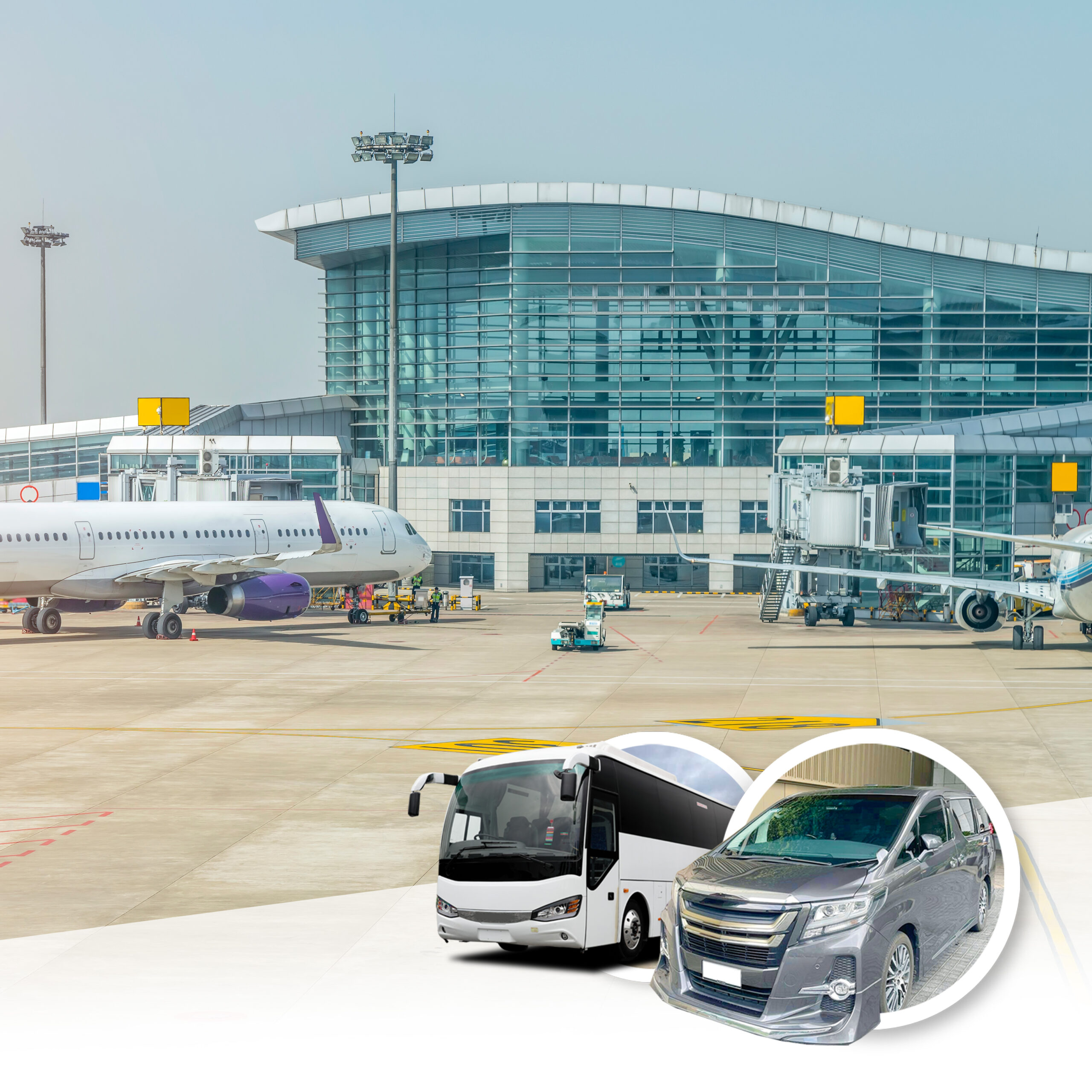
Start with your entry and exit points. If you fly into Hong Kong and leave from Hong Kong, your route should not waste time zigzagging. If you arrive by cruise, or need airport transfers, or are traveling with children or older family members, the transportation piece matters even more. A private route often costs more than public transit, but it gives back time, reduces confusion, and removes the stress of handling multiple bookings across different systems.
The second decision is how many cities to include. For most first-time visitors, two or three cities is the sweet spot. More than that can work, but only if your trip is long enough and the daily schedule stays realistic. Trying to fit Hong Kong, Macau, Shenzhen, Zhuhai, and Guangzhou into four days usually turns the trip into a transport exercise.
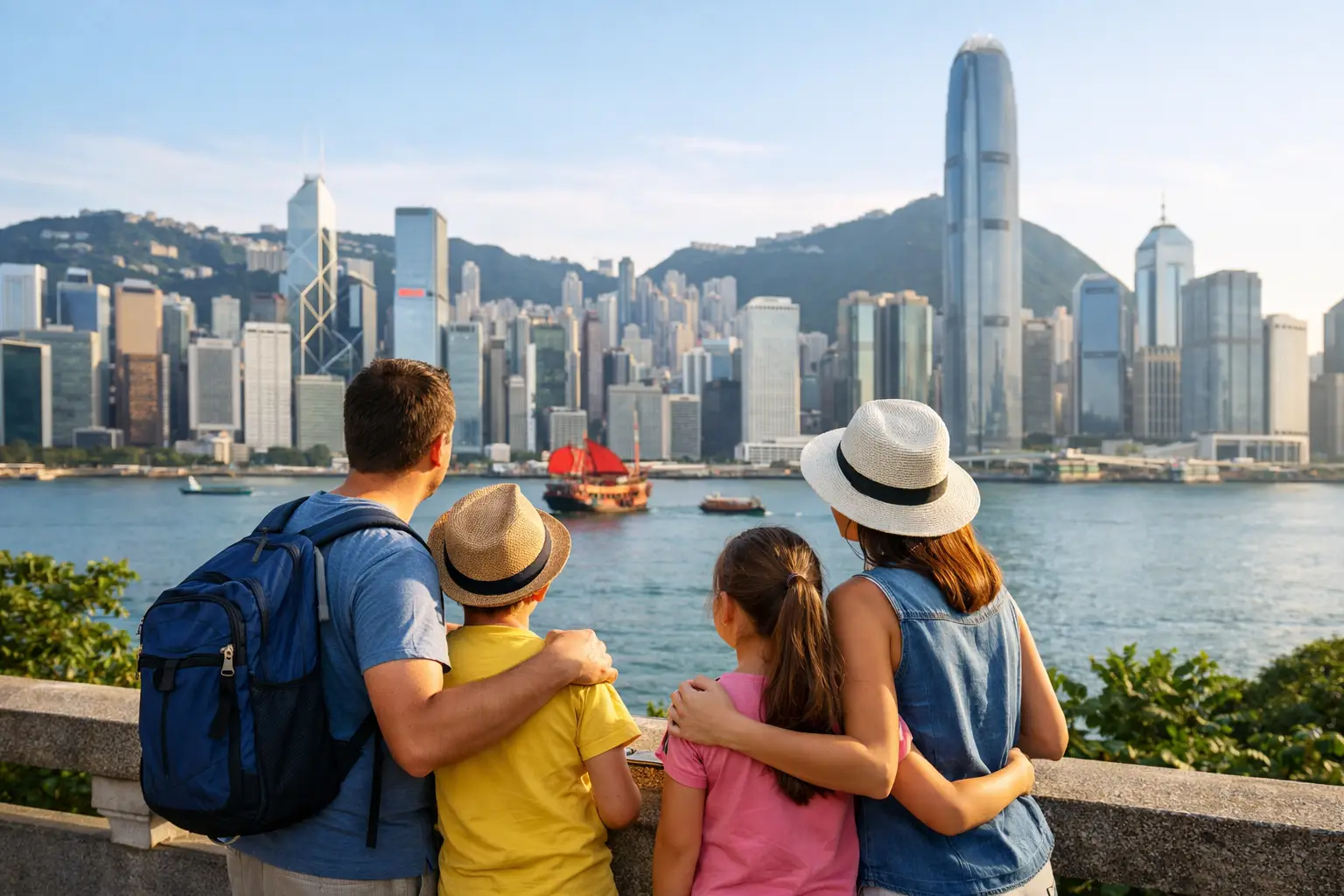
The third decision is what kind of trip you want. Hong Kong gives you skyline views, neighborhoods, temples, harbor scenes, hiking access, and major family attractions. Macau works well for heritage streets, Portuguese-Chinese history, dining, and resort entertainment. Shenzhen is strong for modern city energy, shopping, theme parks, and tech-driven urban life. Zhuhai feels more spacious and relaxed. Guangzhou brings food culture, commerce, history, and a broader sense of southern China beyond the tourist core.
A 3-day greater bay area travel itinerary
If you only have three days, keep it tight. The strongest version is Hong Kong plus one nearby city. That gives you variety without spending too much of the trip in transit.
Option 1: Hong Kong and Macau
Day one works best in Hong Kong. Focus on areas that show the city from multiple angles, such as Victoria Peak, Central, a traditional neighborhood, and a harborfront evening. If you are traveling as a family, you may want a lighter afternoon and an early dinner. If you are a couple or small private group, you can stretch the day into a night view and local food stop.
Day two can be Macau. This is where planning matters. You can easily spend a full day covering the historic center, major photo spots, a resort district, and a food break, but only if the transfer is arranged clearly. Macau is close, but close does not always mean simple when you factor in departure points and return timing.
Day three returns to Hong Kong for either themed sightseeing or family-focused attractions. This is a smart day for a flexible itinerary because travelers often discover they want more shopping, more local food, or more cultural stops once they settle into the region.
Option 2: Hong Kong and Shenzhen
This version suits travelers who want a stronger contrast between classic Hong Kong scenes and a fast-moving mainland city. Spend day one in Hong Kong with a private city route built around your interests. Day two goes to Shenzhen for shopping districts, contemporary cityscapes, parks, or theme attractions. Day three stays open for Hong Kong Island, Kowloon, Lantau, or a departure-day half tour depending on your flight.
This route is practical for business travelers or repeat visitors who have already seen Hong Kong’s basics and want something broader without overcommitting.
A 5-day itinerary for comfort and variety
Five days is where a greater bay area travel itinerary starts to feel balanced. You can include three cities and still leave enough room for real sightseeing.
A strong version is two days in Hong Kong, one day in Macau, one day in Shenzhen, and one flexible day depending on your interests. That final day can become Lantau for culture and scenery, a foodie day, a shopping route, or a slower morning before departure.
Day 1-2: Hong Kong without rushing
Two days in Hong Kong gives you room to separate the city into themes. One day can focus on classic highlights such as the Peak, Central, Tsim Sha Tsui, and harbor views. The other can go deeper with neighborhoods, markets, temples, local dining, or family attractions.
This split is especially useful for premium travelers who want comfort over constant pace. You are not trying to win the city in one day. You are giving yourself space to enjoy it properly.
Day 3: Macau as a full-day addition
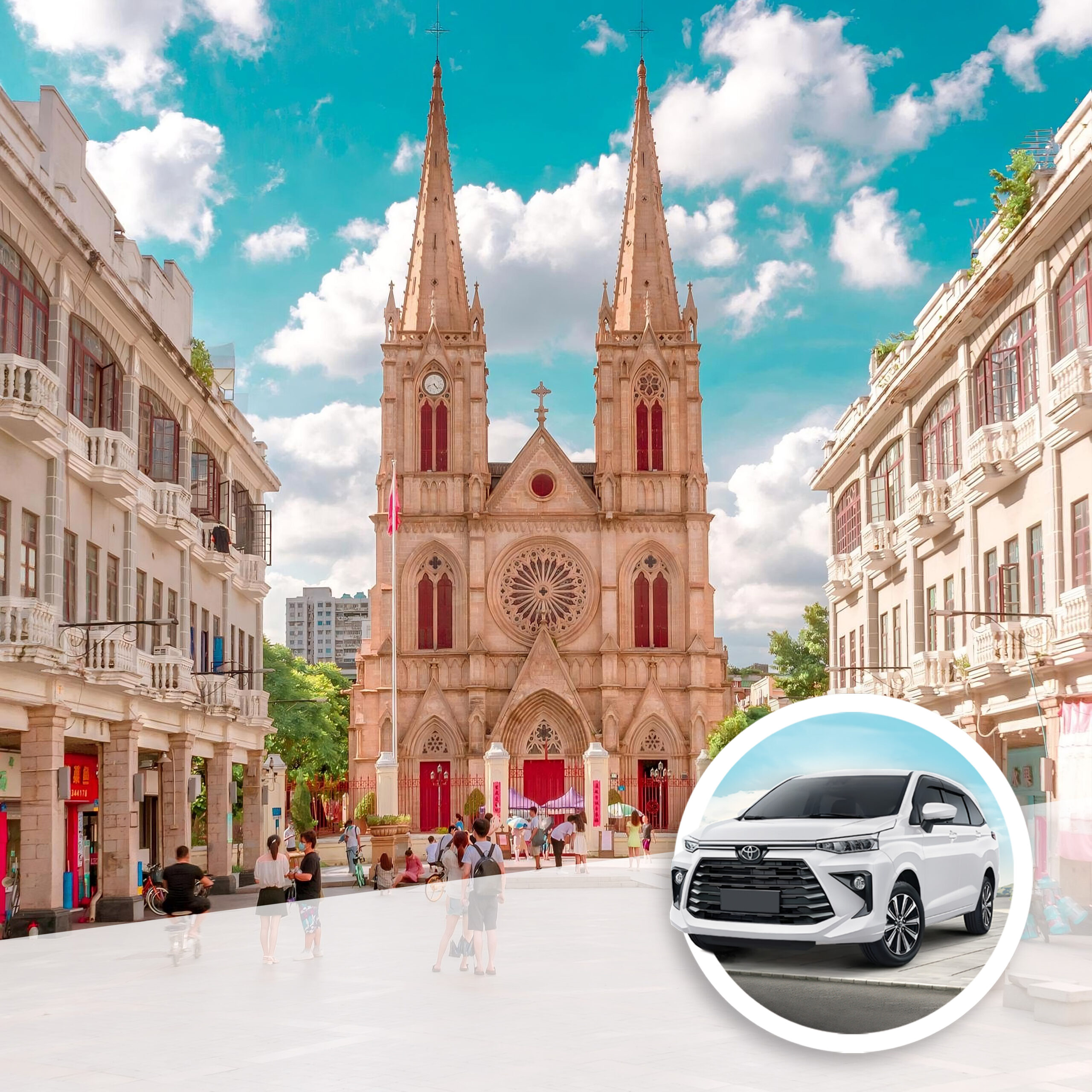
Macau fits well in the middle of the trip. After two days in Hong Kong, the city-to-city contrast feels fresh. Heritage streets, colonial architecture, casinos, and food all fit into one day if the schedule is efficient. If you love history and dining, Macau can feel surprisingly rich for a compact destination. If you prefer nightlife and luxury hotels, you may even wish you had one overnight there.
Day 4: Shenzhen or Zhuhai
Choose Shenzhen if you want a more modern, urban, high-energy day. Choose Zhuhai if you want something calmer, especially if your group values coastal scenery and an easier pace. This is where customization matters. The best city is not the most famous one, but the one that fits your travelers.
Day 5: Keep it flexible
Do not underestimate the value of a buffer day. It can absorb shopping requests, weather changes, tired children, delayed arrivals, or spontaneous interests. For many private travelers, this is the day that makes the whole itinerary feel relaxed instead of crowded.
A 7-day route for travelers who want the full region
If you have a full week, you can do more than check boxes. You can build a route that makes geographic sense and still includes comfort.
One efficient sequence is Hong Kong, Macau, Zhuhai, Shenzhen, and Guangzhou, with two nights in Hong Kong at the start and one final night in the city before departure if needed. Another good route is Hong Kong, Shenzhen, Guangzhou, Zhuhai, and Macau. The better version depends on your border strategy, hotel preferences, and flight plan.
For a seven-day trip, the main trade-off is depth versus coverage. If you include five cities, each stop becomes more selective. That works well for travelers who enjoy movement and want a broad regional view. If you prefer slower mornings, deeper local experiences, and room for unplanned discoveries, keep it to three or four cities instead.
Who should keep the itinerary private and customized
Not every traveler needs a private arrangement, but many benefit from one more than they expect. Families with strollers or grandparents usually appreciate door-to-door transfers. Cruise passengers need tighter timing. Corporate groups value predictability. Muslim travelers often prefer clear planning around food stops and daily flow. Travelers with heavy luggage, multiple hotel changes, or limited time also gain a lot from having transport and sightseeing coordinated together.
This is where a company like MyHKTour can make a practical difference. Instead of treating transport and touring as separate tasks, the trip can be planned as one connected experience, which is often the easier way to move across cities without wasting energy.
Common planning mistakes to avoid
The first mistake is underestimating transfer time. A city may be nearby, but the real question is how long it takes from hotel pickup to the first meaningful stop. The second is packing every day too tightly. A full itinerary looks efficient on paper, but often feels rushed by day three. The third is assuming every traveler wants the same thing. A shopping-focused group, a family with kids, and a couple on a premium getaway should not use the same route.
Another common issue is making every day a full-day day. Half-day arrivals, easy evenings, and slower final mornings matter. They help the trip feel polished instead of exhausting.
Choosing the right pace for your trip
The best greater bay area travel itinerary is not the one with the longest list. It is the one that feels easy while still giving you memorable access to each place. For some travelers, that means two cities with private sightseeing and excellent meals. For others, it means a week across the region with carefully arranged cross-border transport and hotel-to-hotel convenience.
If you are planning now, start with your non-negotiables: where you land, how many full days you really have, who is traveling with you, and what would make the trip feel comfortable. Once those are clear, the route becomes much easier to shape, and the region starts to feel connected instead of complicated.
A well-planned trip here should leave you with stories from each city, not memories of figuring out the next transfer.