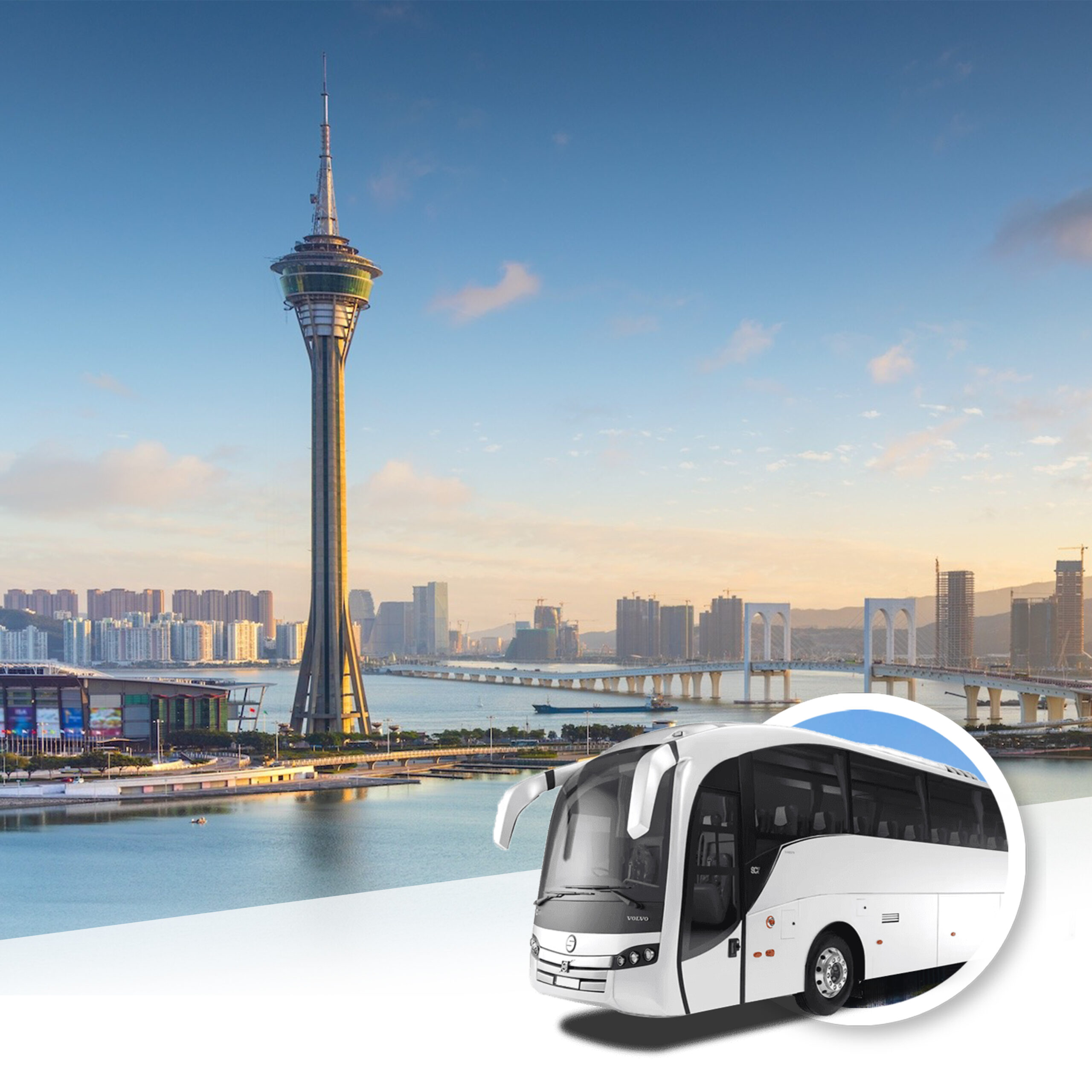
A private transfer can save your trip – or quietly complicate it – depending on what you book. If you are figuring out how to book private China transfer services for a family vacation, business trip, cruise stop, or multi-city itinerary, the real job is not just reserving a car. It is making sure the vehicle, route, border process, timing, and pickup details all match the way you actually travel.
That matters even more in Greater China, where airport pickups, hotel transfers, sightseeing days, and cross-border journeys often overlap. A transfer from Hong Kong to Shenzhen is not the same as an airport pickup in Guangzhou, and neither works like a private day charter with luggage. The booking itself is simple when the planning is correct. The trouble usually starts when travelers assume every private transfer works the same way.
How to book private China transfer without surprises
Start with the route, not the vehicle. Many travelers begin by asking for a sedan, van, or coach, but the first thing your provider needs is the actual movement plan. Are you going airport to hotel, hotel to cruise terminal, Hong Kong to Macau, or city to city with sightseeing stops in between? A private transfer is priced and scheduled around the route structure, not just the number of passengers.
Once the route is clear, think about whether you need a point-to-point transfer or a flexible charter. Point-to-point works best when you simply need to get from one place to another. A charter makes more sense if you want to stop for lunch, visit an attraction, wait for returning passengers, or combine transport with a touring day. Travelers often overpay for a charter when a direct transfer would do, but they also underbook when they expect a driver to wait through multiple stops on a simple transfer booking.
The next step is timing. Give your pickup time, but also give the reason behind it. For example, if you land at 2:10 PM on an international flight, the operator can build in realistic airport clearance time. If you are leaving a hotel for a border crossing on a Sunday afternoon, that tells them traffic may affect your schedule. A good booking is built around real conditions, not ideal ones.
Choose the right transfer for your itinerary
Private transfer is a broad term. It can mean a straightforward airport ride, a dedicated intercity vehicle, or a full-day arrangement with a driver. Booking the right version depends on what kind of traveler you are.
Families usually need more luggage space than they first estimate. Two adults, two children, and four large suitcases may not fit comfortably in a standard car, especially after a long flight. Small groups should also think beyond seat count. Space matters when passengers are carrying strollers, shopping bags, mobility aids, or cruise luggage.
Corporate travelers usually care most about punctuality, clean vehicles, and precise pickup instructions. They may need a direct transfer with no confusion at arrivals, or a full-day vehicle for meetings across different districts. In that case, asking about waiting time, overtime charges, and the driver’s local familiarity matters more than asking for the cheapest quote.
Leisure travelers with more ambitious plans often need a hybrid setup. You may want transport from the airport, a private city tour the next day, and then a cross-border transfer after that. This is where booking through one experienced provider can make a noticeable difference. Instead of managing separate vendors, payment terms, pickup points, and message threads, you can organize the trip as one connected plan.
What details to confirm before you pay
A private transfer should feel easy, but the booking should be specific. Vague confirmations lead to missed pickups, vehicle mismatches, and frustrating delays.
Confirm the pickup point exactly. “Airport pickup” is not enough. You want to know whether the driver meets you in the arrivals hall, at a designated lane, or by phone after landing. The same goes for hotel pickups. Some properties have multiple entrances, and large hotels may have separate lobbies for different towers.
Confirm passenger count and luggage count together. Operators assign vehicles based on both. If you book for five passengers but fail to mention six checked bags, your vehicle may be technically legal but practically cramped.
You should also ask whether the price includes tolls, parking, waiting time, and any border-related handling if relevant. A lower quote is not always a better quote if every practical extra appears later. Transparent pricing is usually a sign of an operator that runs organized service rather than ad hoc dispatch.
For cross-border trips, ask which documents passengers need to carry and whether any part of the journey requires switching vehicles. Some routes can be operated as direct private transport, while others depend on permit rules, checkpoint procedures, and current regulations. This is an area where assumptions cause trouble. Border logistics are not something you want to sort out curbside with luggage in hand.
Vehicle size, comfort, and the hidden cost of booking too small
Most travelers focus on price first, then regret comfort later. The lowest-cost vehicle can work well for a short city transfer, but it may feel tight and tiring on a longer ride or after a flight.
If you are traveling with children, older relatives, or clients, comfort is not a luxury detail. It affects the whole day. A van with proper luggage space and easy entry can be a better value than a cheaper sedan that creates stress before you even reach your destination.
For larger parties, coach or minibus planning should include more than headcount. Think about luggage loading time, whether everyone arrives together, and whether you need one pickup point or several. If your group includes travelers coming off a cruise or arriving on different flights, coordination matters as much as capacity.
Cross-border bookings need extra care
This is where many international visitors feel least confident, and for good reason. A cross-border private transfer involves more than booking a car for a long ride. You may be dealing with immigration procedures, vehicle permits, route restrictions, and timing windows that differ from standard city transfers.
If your itinerary includes Hong Kong, Macau, Shenzhen, Zhuhai, or Guangzhou, tell the operator every leg of the trip upfront. Do not mention only the first transfer and assume the rest can be adjusted casually later. Multi-city travel works best when it is planned as one sequence, especially if you want door-to-door convenience instead of piecing together trains, ferries, and local taxis.
This is also where customization becomes useful. Some travelers want the fastest route. Others want the easiest one for seniors, children, or heavy luggage. Others want to add sightseeing on the way. The best booking is not the most generic option. It is the option that fits your priorities.
When to book and how far ahead
For standard airport transfers, a few days ahead may be enough during quieter periods. For holidays, weekends, large groups, and cross-border routes, earlier is better. Waiting too long can limit vehicle choice, especially if you need a larger van, premium car, or special timing.
Advance booking is also helpful when your itinerary is still taking shape. A good operator can often suggest whether your travel day is realistic, whether a stop is worth adding, or whether two bookings should really be combined into one longer service. That kind of planning support is often more valuable than a small difference in price.
If your trip includes custom touring, family logistics, or multiple cities, booking early gives you more room to fine-tune details. That is one reason travelers use providers like MyHKTour for both transport and itinerary planning rather than treating every ride as a separate task.
A simple way to compare private transfer providers
Look for clarity, not just low rates. A dependable provider should be able to tell you what is included, what vehicle is being assigned, how pickup works, and what happens if your flight is delayed. If those answers are vague before booking, the service may be vague on the day as well.
Pay attention to responsiveness. Fast replies are helpful, but useful replies are better. If an operator asks smart questions about luggage, border needs, stops, and timing, that is usually a good sign. It shows they are planning the service rather than just sending a quote.
It also helps to choose a company that understands both transportation and the trip around it. When a provider knows how sightseeing, airports, hotels, and regional routes connect, the whole experience tends to run more smoothly.
A private transfer should give you more control, not more admin. Book the route that matches your actual trip, confirm the details that affect the day, and give yourself enough room for border rules, luggage, and timing. When the planning is right, the drive becomes the easy part – which is exactly what most travelers wanted in the first place.