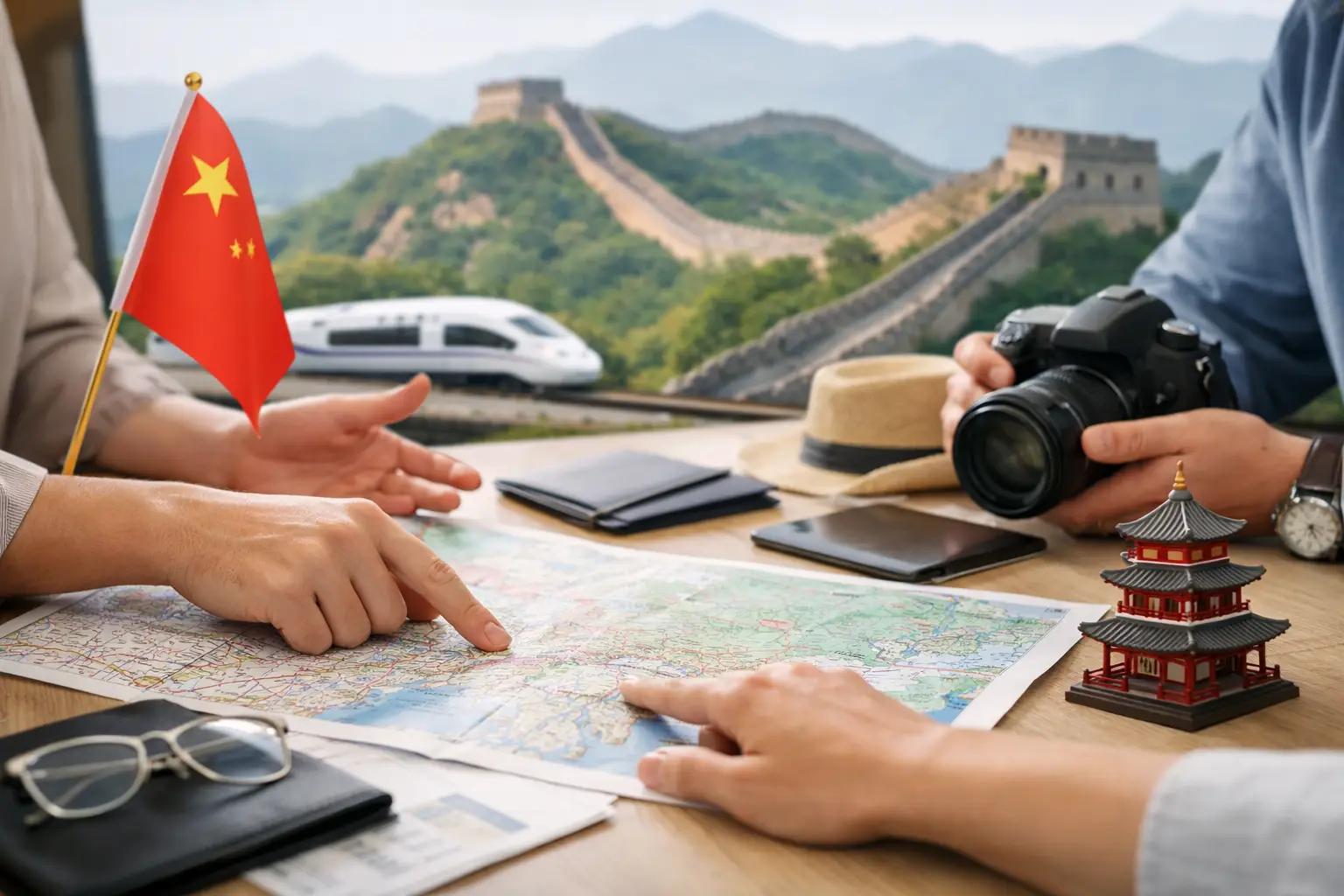
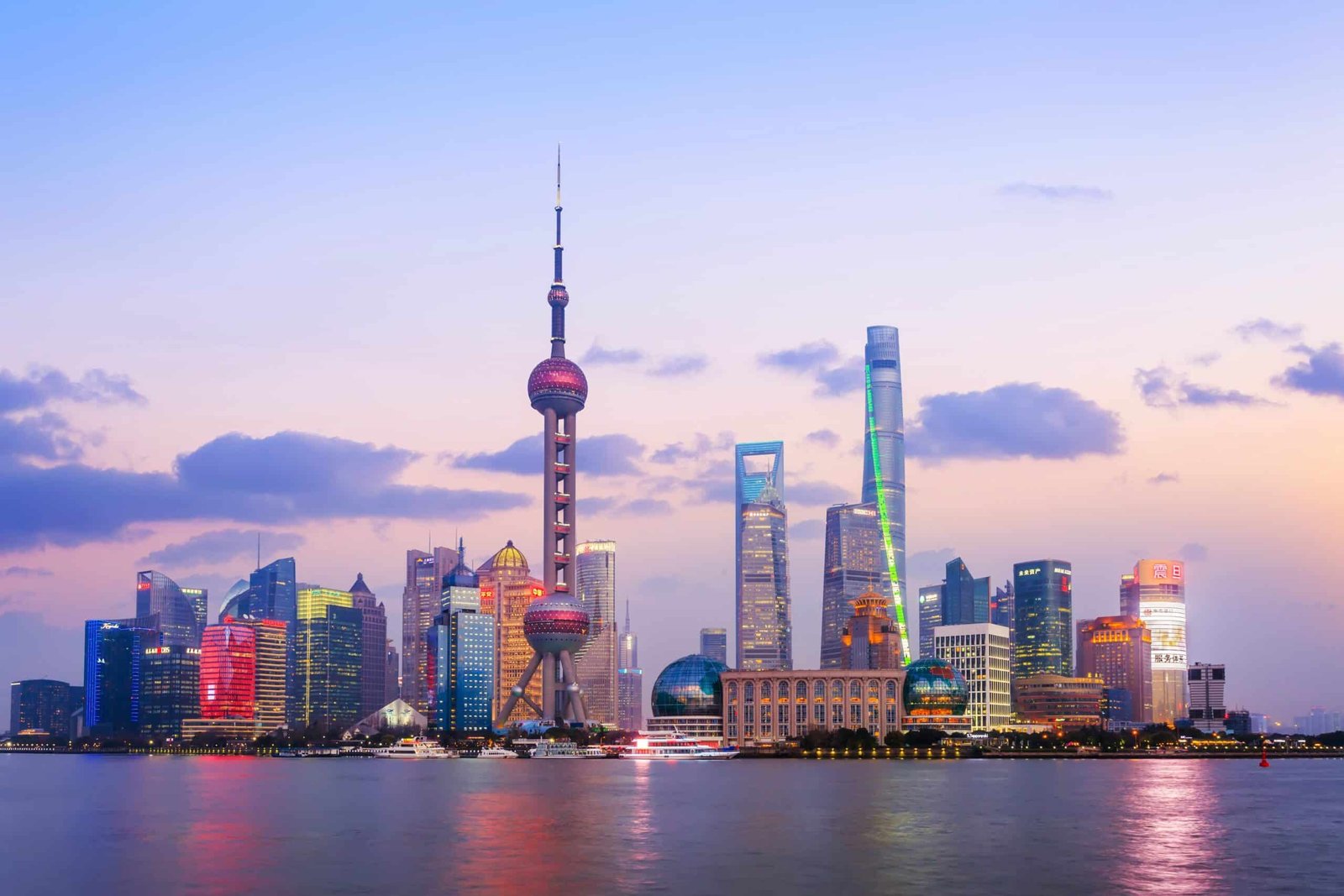
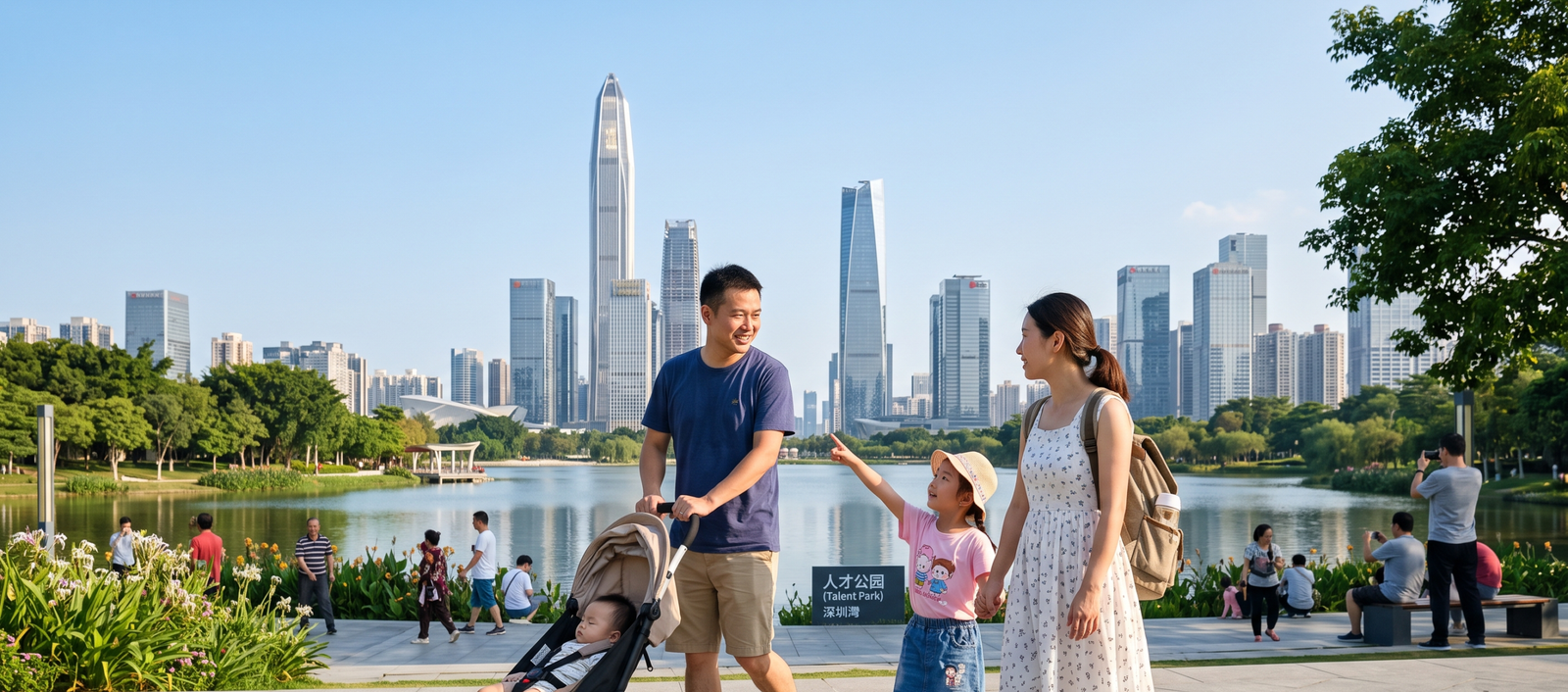
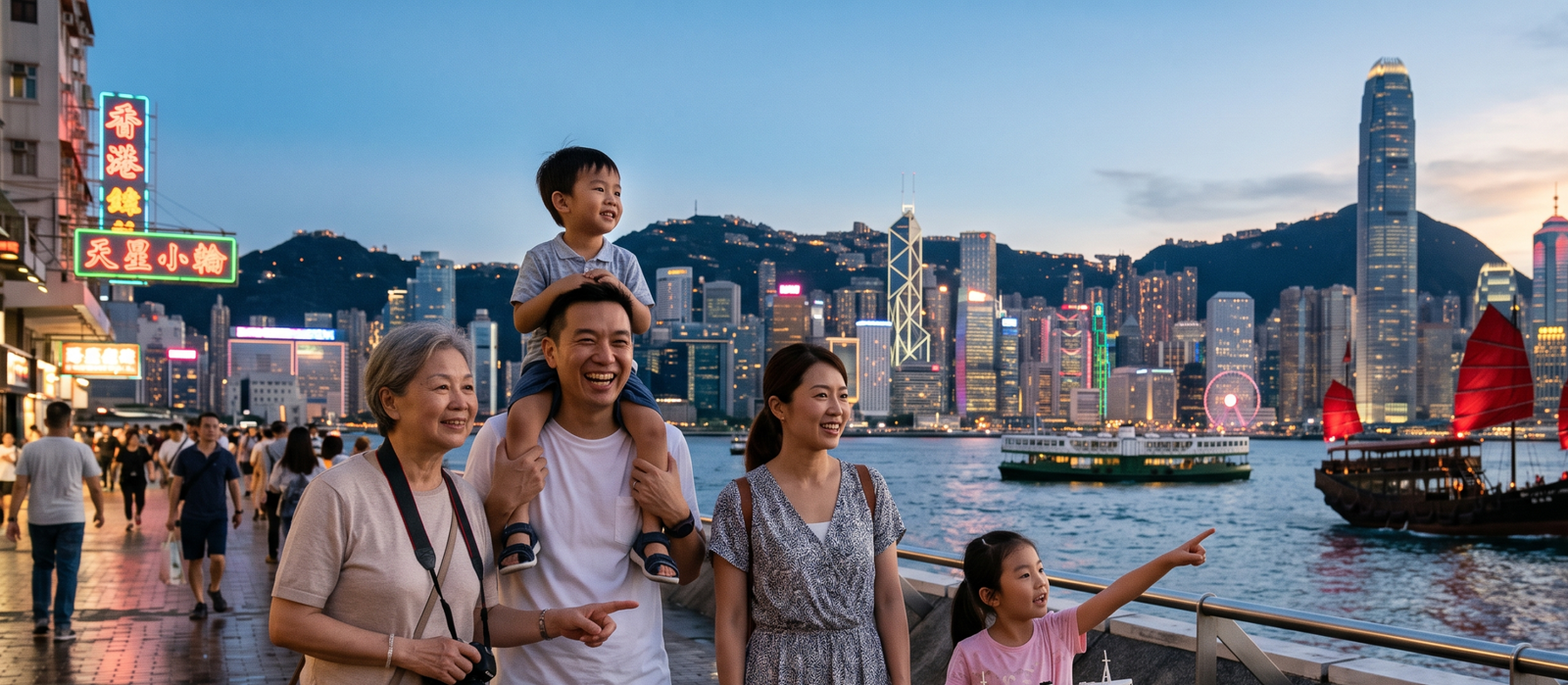
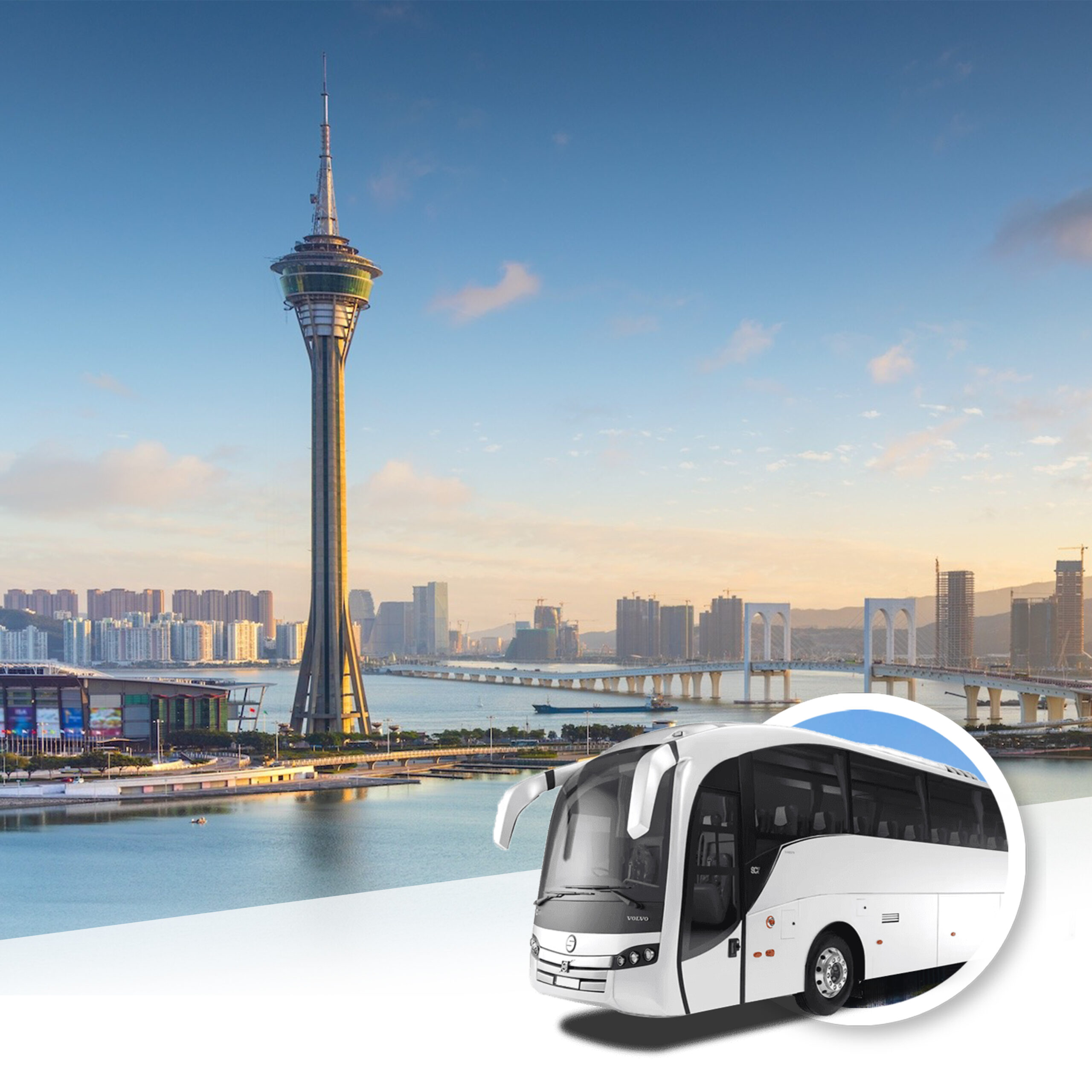
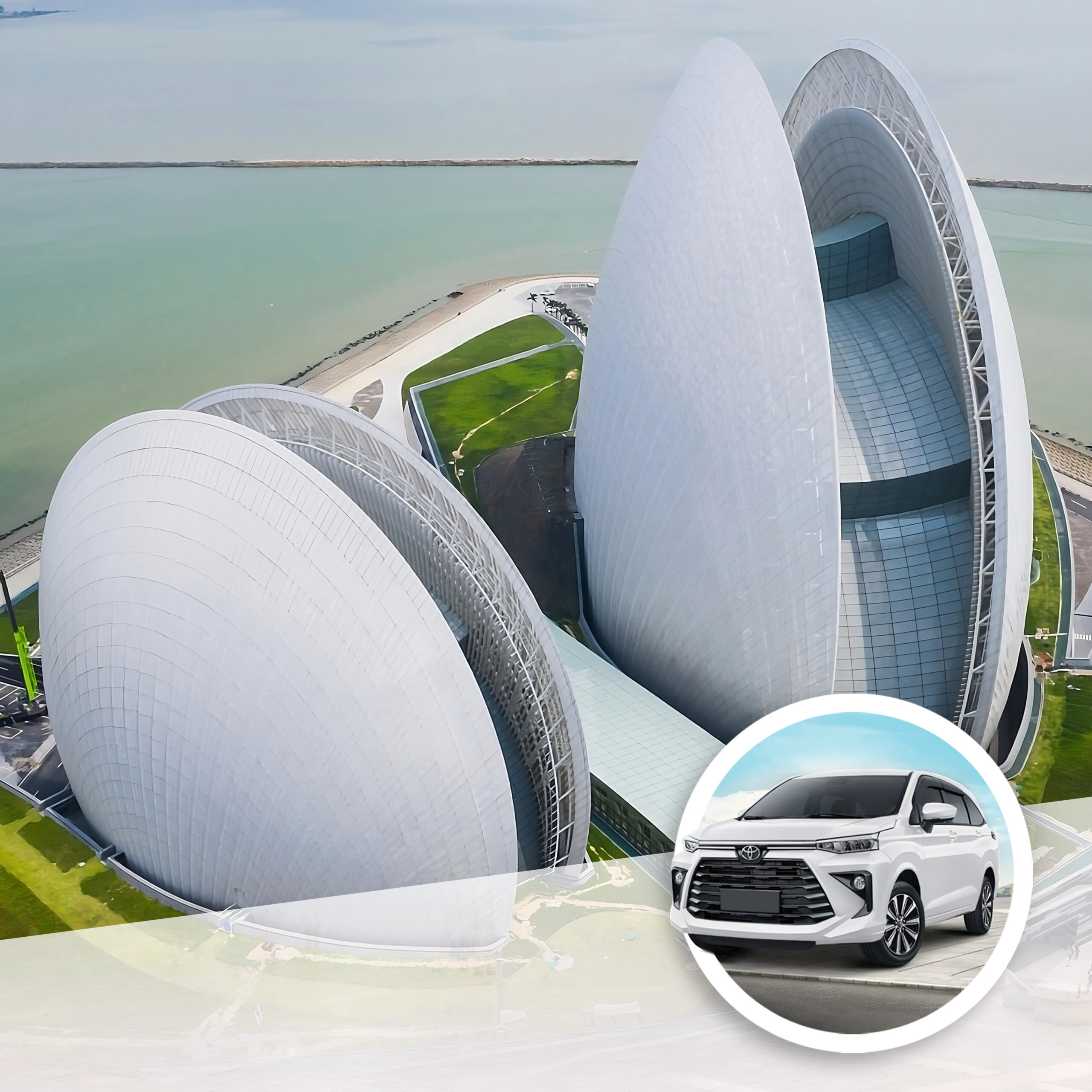
A China itinerary can look efficient on paper and still feel exhausting in real life. A family may want time for photos, snacks, and restrooms. A couple may care more about food and evening views. A business group may need punctual transfers between meetings, hotels, and sightseeing. If you are searching for how to customize china tour plans, start by designing the trip around the people traveling, not around a checklist of famous attractions.
A private, customized plan gives you more control over the pace, vehicle, guide, hotel pickup times, and experiences that matter most. It can also make a major difference when your trip includes Hong Kong, Macau, Shenzhen, Zhuhai, or Guangzhou, where border crossings and regional transportation need careful timing.
Start With Your Travel Priorities
Before choosing destinations, decide what a successful trip feels like for your group. Some travelers want a full schedule from morning to night. Others want two meaningful stops, a memorable meal, and time to enjoy each place without watching the clock.
Think about your group’s interests, energy level, ages, mobility needs, and travel style. Families with young children may prefer shorter drives and flexible breaks. Cruise passengers may need an itinerary built around strict port arrival and departure times. First-time visitors often value a guide who can provide context and help with practical details, while repeat visitors may want a more specialized day focused on local neighborhoods, photography, hiking, or regional food.
It also helps to identify your non-negotiables. Perhaps you want to see Victoria Peak at sunset, visit the Big Buddha on Lantau, eat Cantonese seafood, or add a day in Macau. Once those priorities are clear, the rest of the route can be organized around them.
Choose Destinations That Work Together
China is vast, and Greater China travel requires realistic routing. Trying to see too many cities in too few days can turn a private vacation into a sequence of luggage moves, traffic delays, and rushed photo stops.
For many international visitors, Hong Kong works well as a starting point because it offers major airport access, a wide range of hotels, and easy connections to nearby destinations. From there, you can combine the city with Macau for heritage sites and resort entertainment, Shenzhen for modern architecture and local dining, Zhuhai for a more relaxed coastal setting, or Guangzhou for Cantonese culture and food.
The best combination depends on your available time. A short stay may be better spent exploring Hong Kong deeply rather than adding a border crossing simply to collect another destination. With four to six days, a multi-city plan becomes more practical, especially when private transport is arranged around your hotel and preferred departure times.
Allow Time for Borders and Transfers
Cross-border travel is often the part guests underestimate. Immigration procedures, traffic conditions, luggage handling, and hotel locations all affect how much you can comfortably fit into a day. A route that appears short on a map may require much more time than expected.
When building a custom itinerary, share your passport nationality, visa status where relevant, luggage count, and preferred crossing arrangements with your travel planner. This allows the route and vehicle plan to match your actual needs. It is also wise to keep the first activity after a border crossing flexible rather than booking a time-sensitive reservation immediately afterward.
Build Each Day Around a Comfortable Pace
The most effective way to customize a China tour is to treat time as part of the experience. A private vehicle can reduce the stress of navigating unfamiliar transit systems, but it cannot remove traffic, crowds, or walking distances. A thoughtful itinerary leaves room for all three.
For a full-day private tour, two to four main experiences are usually enough. The exact number depends on distance, opening hours, and how long you want to stay at each stop. A skyline viewpoint, a historic district, and a local lunch may make a satisfying day. Adding three museums, two markets, and a distant evening attraction may leave everyone tired before dinner.
Ask for realistic drive-time estimates between stops and consider the timing of each destination. Markets are often livelier at certain hours. Temples and heritage sites can be more pleasant early in the day. Harbor views and city skylines are often best near sunset. Your itinerary should use these natural rhythms instead of treating every attraction as interchangeable.
Plan for Different Types of Travelers
A well-designed group trip does not require everyone to want the same thing. It requires choices that accommodate the group without making anyone feel left behind.
For a multigenerational family, that may mean pairing a cultural landmark with an easy waterfront walk and a restaurant where everyone can find something familiar. For food-focused travelers, it may mean building a day around dim sum, a neighborhood market, and a dinner reservation rather than moving constantly between landmarks. For corporate visitors, it may mean a professional airport pickup, time for meetings, and a concise sightseeing program that does not interfere with work commitments.
Muslim travelers should raise dietary preferences early so meal stops can be planned with greater care. Travelers with limited mobility should discuss walking tolerance, wheelchair requirements, and the need for step-free access before confirming a route. These details are not minor adjustments. They shape which attractions, restaurants, vehicles, and daily schedules will work best.
Match the Vehicle and Guide to Your Group
Transportation is not simply the space between attractions. It determines how comfortable the day feels, how much luggage you can carry, and whether your group can stay together.
A couple with light luggage may be comfortable in a private sedan. A family with strollers, shopping bags, and multiple suitcases may need a larger van. Groups of more than 10 may benefit from a minibus or coach, particularly when moving between hotels, airports, cruise terminals, and sightseeing locations. Choosing too small a vehicle can create an uncomfortable day, while booking far more capacity than needed may not be the best use of your budget.
A local guide adds value when you want stories, cultural context, language support, or help navigating a busy itinerary. On a transfer-only day, you may prefer a professional driver and a simple door-to-door schedule. On a sightseeing day, a guide can turn a scenic stop into a more meaningful experience by explaining the history, traditions, and everyday life behind what you are seeing.
MyHKTour can coordinate private vehicles, guides, and cross-border arrangements within one tailored plan, which is especially useful when your itinerary mixes touring with airport, hotel, or intercity transportation.
Be Honest About Budget and Priorities
Customization does not always mean choosing the most expensive option. It means spending where it improves your trip and simplifying where it does not.
Private transport can be especially worthwhile for families, groups, travelers carrying luggage, and visitors with limited time. It offers flexibility that public transportation may not provide, particularly for early departures, evening plans, remote attractions, or multi-stop routes. On the other hand, a full-day guide may not be necessary if you only need a direct airport transfer or hotel-to-hotel journey.
Tell your planner what matters most: more time with a guide, a higher-comfort vehicle, a special meal, a scenic route, or the ability to change plans during the day. Clear priorities make it easier to recommend options that fit rather than adding services you may not need.
Confirm the Details Before You Travel
The final itinerary should be specific enough that everyone understands the plan, while still allowing reasonable flexibility. Confirm pickup location and time, vehicle type, guide language, luggage capacity, planned destinations, estimated return time, included services, and any border-crossing requirements.
Keep hotel names and addresses available in English and Chinese where possible. Save important contact details before departure, and let your provider know promptly if your flight, cruise schedule, or hotel changes. If you have a must-see attraction, mention it before the day begins rather than assuming it can be added without affecting the route.
A customized tour works best when it leaves room for real travel moments: the restaurant you want to linger in, the view worth waiting for, or the neighborhood that surprises your group. Give your itinerary a clear structure, then let it make space for the parts of China you did not expect to love.