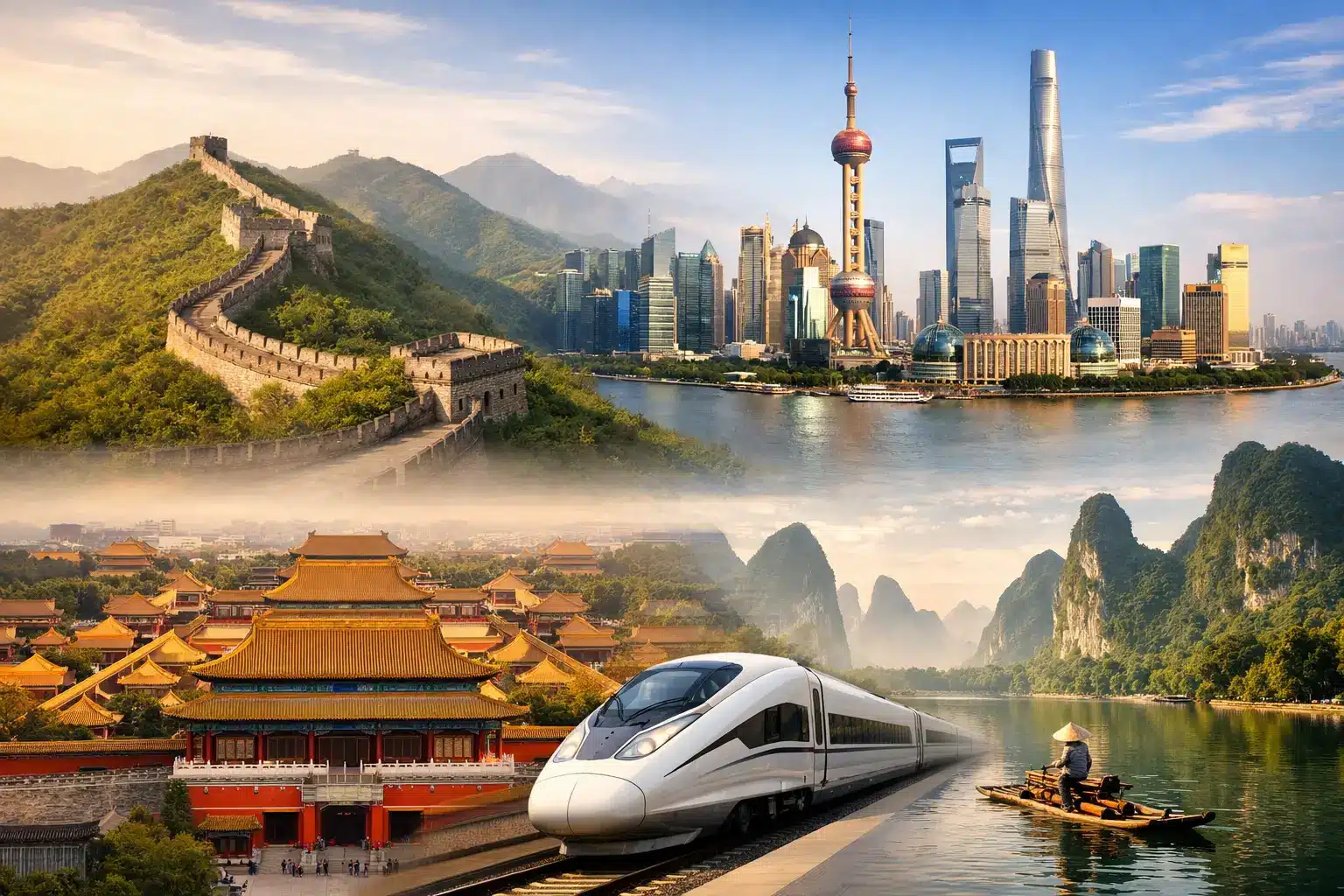
A good multi city china trip example should feel like one connected vacation, not five separate transport problems. This eight-day route begins in Hong Kong and moves through Shenzhen, Guangzhou, Zhuhai, and Macau at a pace that leaves room for landmark sightseeing, local food, hotel check-ins, and the occasional unplanned stop that makes a trip memorable.
It is designed for travelers who prefer private comfort over dragging luggage through unfamiliar stations, especially families, small groups, first-time visitors, and anyone coordinating cross-border travel. The order matters: it limits backtracking and pairs each city with the experience it does best.
Why This Multi City China Trip Example Works
Hong Kong is an easy international arrival point, with an energetic mix of harbor views, neighborhoods, markets, and modern city life. From there, Shenzhen offers a quick change of pace across the border, while Guangzhou adds deeper Cantonese history and food culture. Zhuhai and Macau work naturally as a final pairing because they sit beside one another on the western side of the Pearl River Delta.
The main trade-off is travel intensity. Five destinations in eight days is ideal for guests who want variety and have limited vacation time. If you want long afternoons at museums, beach time, or several leisurely meals in every city, extend the itinerary to 10 or 12 days. A private vehicle and driver-guide can make this faster route much more comfortable, but it cannot turn every destination into a slow stay.
Before confirming the route, check the entry requirements that apply to your passport for Hong Kong, mainland China, and Macau. Entry rules, visa arrangements, and document requirements can vary by nationality and change over time. Keep passports readily available on cross-border travel days, and allow flexibility for immigration processing.
Day 1: Hong Kong Arrival and Victoria Harbour
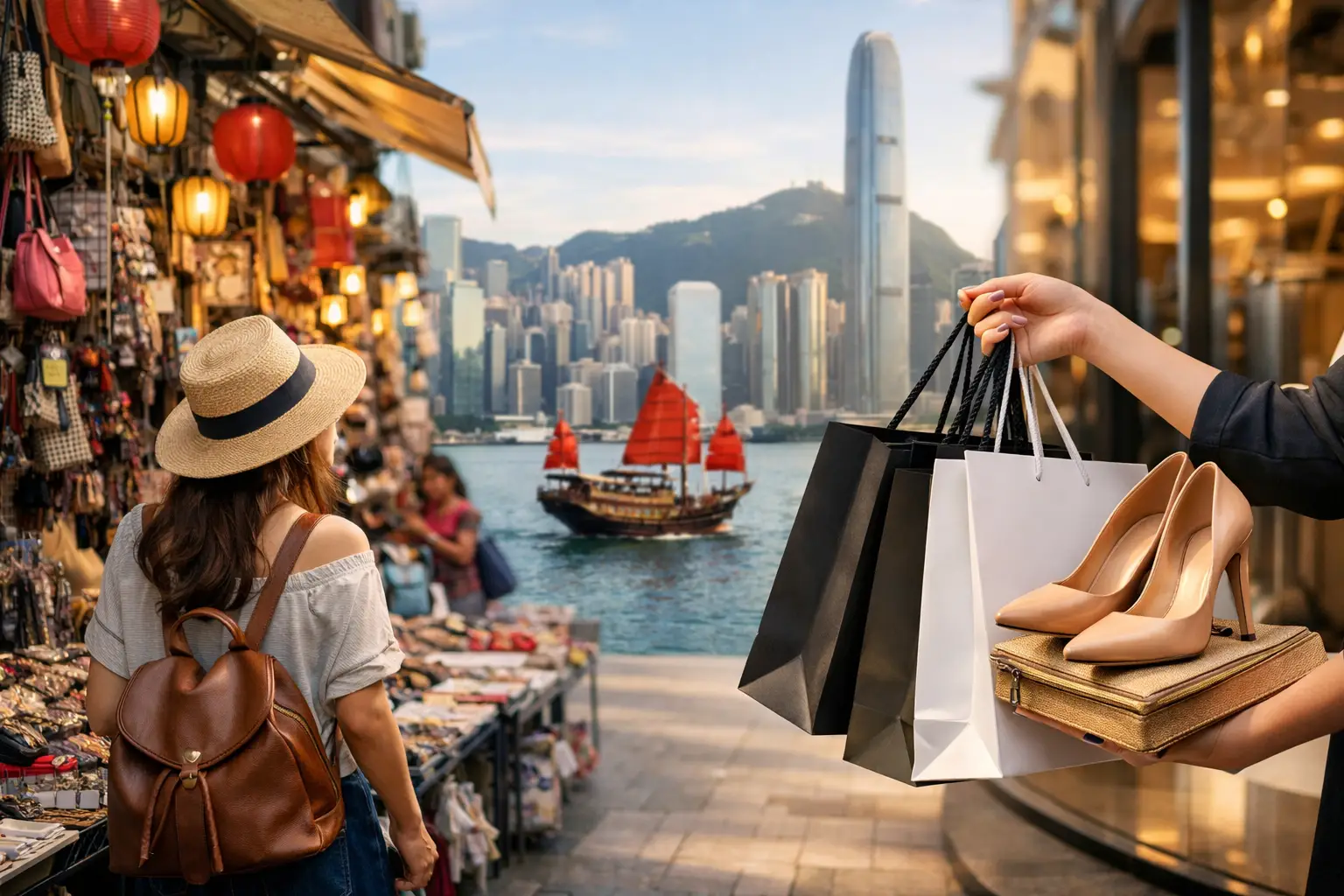
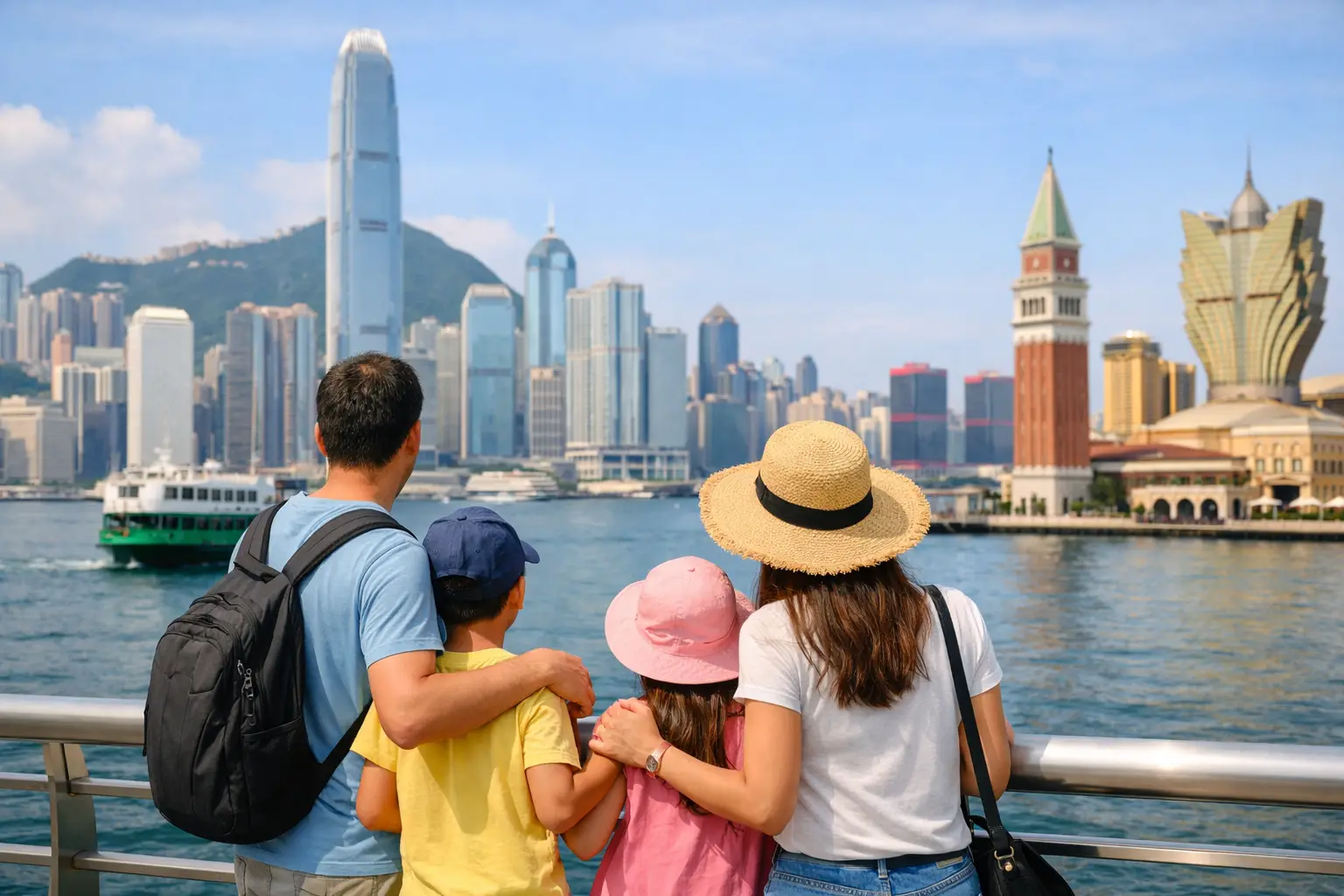
Arrive in Hong Kong and keep the first day deliberately light. After an airport transfer and hotel check-in, begin with the city’s most recognizable view: Victoria Harbour. The Tsim Sha Tsui waterfront is a practical first stop for photos, fresh air, and a sense of Hong Kong’s skyline.
If your arrival is early enough, continue to Victoria Peak for a wider perspective over the harbor and surrounding islands. In the evening, choose a Cantonese dinner in Central, Tsim Sha Tsui, or Causeway Bay rather than trying to cover too much ground. For families and travelers recovering from a long-haul flight, a private airport transfer removes the first major pressure point of the trip: arriving with bags, jet lag, and no interest in deciphering transit routes.
Day 2: Hong Kong Culture Your Way
The second day is where customization matters. A first-time visitor may want the classic combination of Wong Tai Sin Temple, the Star Ferry, Central-Mid-Levels, and a harbor cruise. A food-focused group may prefer dim sum, local markets, roast meats, and neighborhood cafés. Muslim travelers can plan around halal-friendly dining, while photographers may favor early waterfront light, colorful streets, and elevated city views.
For a calmer contrast to the urban core, Lantau Island offers the Tian Tan Buddha, Po Lin Monastery, fishing-village scenery, and mountain air. It is a rewarding full-day choice, but do not combine it with too many central-city sights. Hong Kong is compact on a map, yet traffic, queues, and steep terrain can make an overfilled schedule tiring.
Day 3: Hong Kong to Shenzhen
After breakfast, travel from Hong Kong to Shenzhen by private cross-border transfer. Your driver can collect you and your luggage at the hotel, then continue after border formalities to your Shenzhen accommodation or first sightseeing stop. This is particularly useful for families, groups with older travelers, and guests carrying shopping bags or large suitcases.
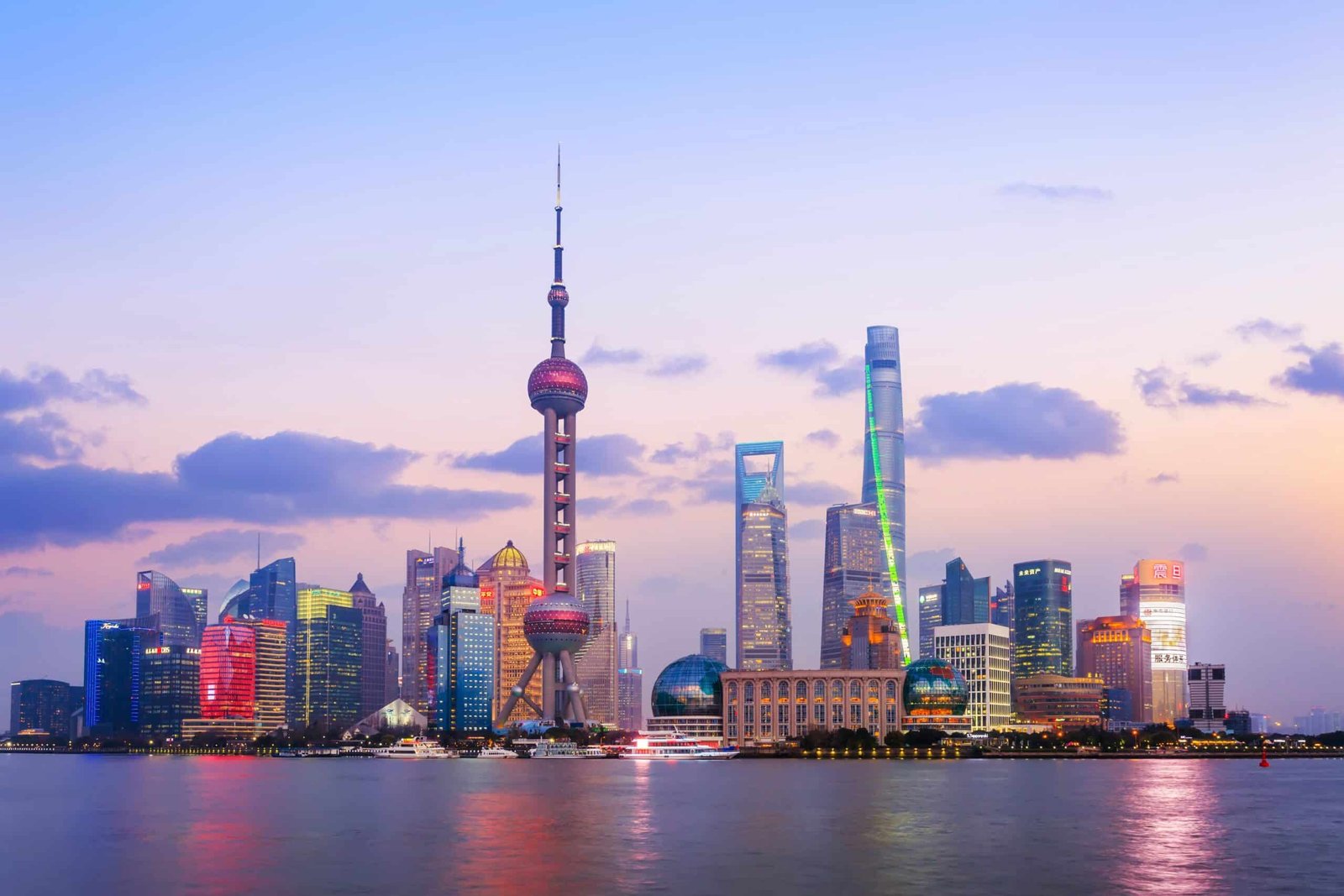
Shenzhen is known for its contemporary skyline, fast-paced business districts, and creative energy. A balanced first afternoon might include Civic Center, the city’s modern architecture, and a visit to a shopping or dining district such as COCO Park. If your group has a strong interest in design, art, or Chinese technology, tailor the day around those interests rather than treating Shenzhen as only a border crossing.
A theme park can be a good option for children, but it changes the rhythm of the itinerary. Plan a full day for it instead of trying to add major sightseeing before or after. The best Shenzhen itinerary is usually focused, not crowded.
Day 4: Shenzhen to Guangzhou
Leave Shenzhen after breakfast for Guangzhou, a drive that introduces a different side of southern China. Guangzhou has been a trading city for centuries, and its appeal lies in the relationship between old Cantonese culture and a major modern metropolis.
Begin with a local lunch, ideally centered on Cantonese dishes that suit your group’s dietary preferences. Then visit the Chen Clan Ancestral Hall for intricate traditional decoration and craftsmanship, followed by Shamian Island for colonial-era streets and a quieter walking atmosphere. In the evening, the Canton Tower area and the Pearl River waterfront provide a striking contemporary finish.
This is a city where a local guide adds real value. The historical context behind the architecture, food, and neighborhoods is easy to miss when moving independently. At the same time, travelers who mainly want shopping or business meetings may prefer a shorter sightseeing program and more time in Tianhe District.
Day 5: A Flexible Day in Guangzhou
Give Guangzhou one full day rather than treating it as a brief overnight stop. Start with Yuexiu Park and the Five Rams Statue, then consider the Museum of the Mausoleum of the Nanyue King if your group enjoys archaeology and early regional history. For a lighter day, choose a market visit, a tea-focused experience, and a relaxed dim sum lunch.
Food is one of Guangzhou’s strongest reasons to stay longer. Build in time to sit down rather than eating between attractions. Private transportation helps here because you can move comfortably between neighborhoods without asking everyone in the group to navigate taxis, subway transfers, or local-language addresses.
By late afternoon, return to the hotel to rest or take a sunset drive along the Pearl River. The trip is only halfway through, so protecting energy now makes the Macau portion more enjoyable.
Day 6: Guangzhou to Zhuhai
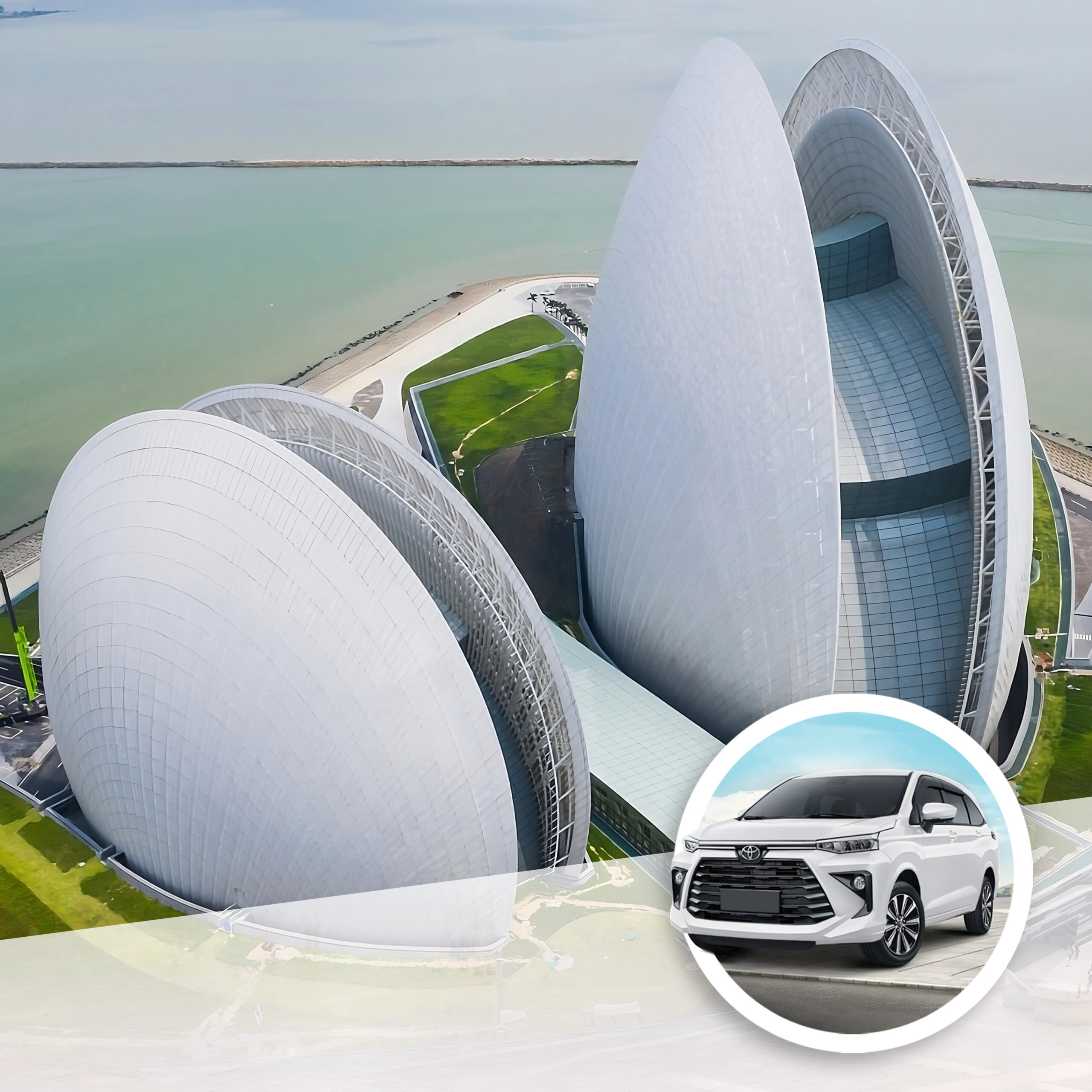
Travel south from Guangzhou to Zhuhai, a coastal city with a more relaxed feel than Shenzhen or Guangzhou. The journey is best planned as a daytime transfer, allowing you to arrive, check in, and still enjoy the waterfront.
Begin at the Fisher Girl Statue, one of Zhuhai’s best-known landmarks, then follow the coastline for sea views and open space. Couples may enjoy a slower evening by the water, while families can use Zhuhai as a practical breather after several urban sightseeing days.
Zhuhai is also an effective base before entering Macau. Staying here can work well for travelers who prefer a quieter hotel environment or want to avoid changing plans after a late border crossing. Others may prefer to continue directly to Macau on the same day. The right choice depends on your hotel style, arrival time, and how much you want to see in Zhuhai itself.
Day 7: Zhuhai to Macau
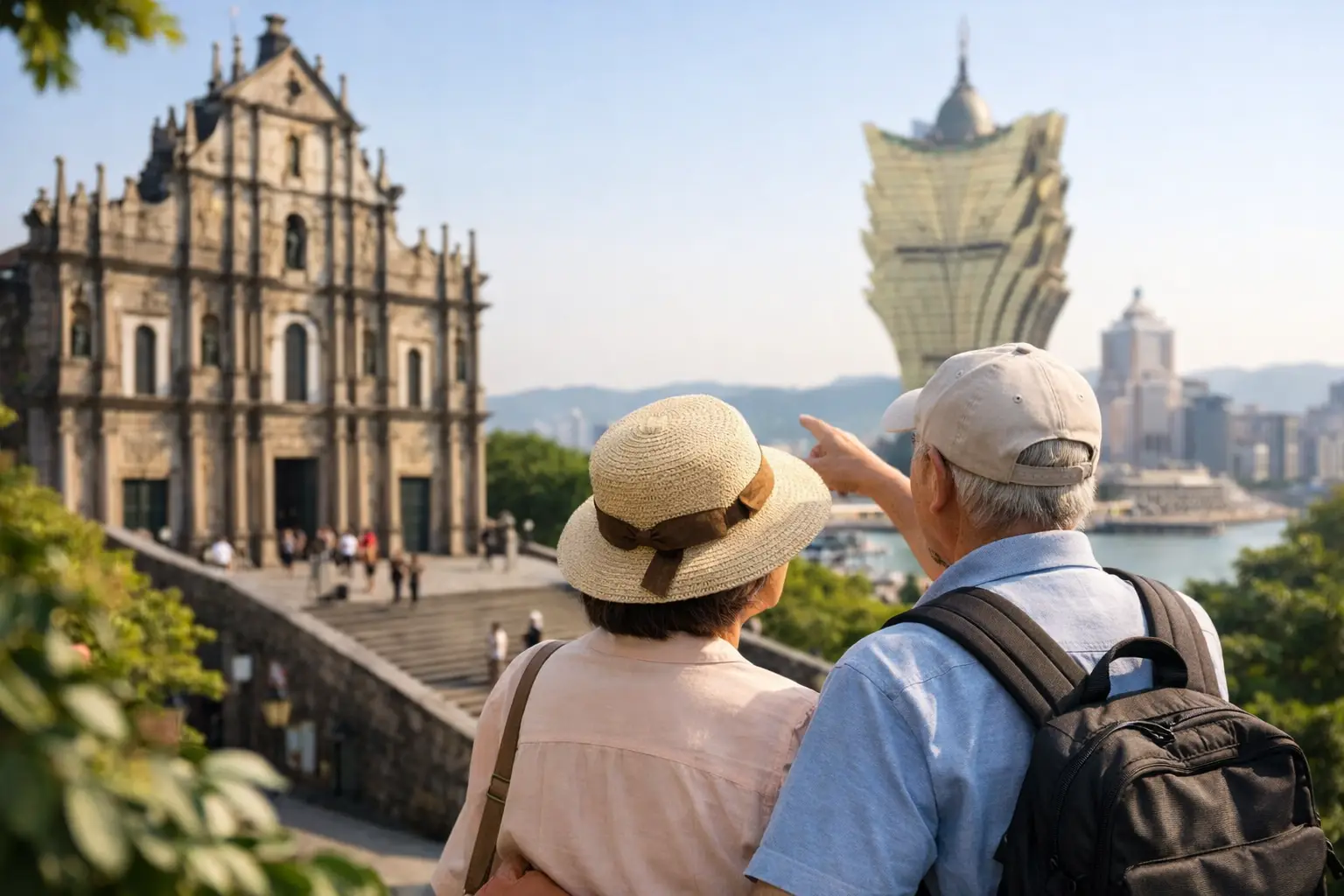
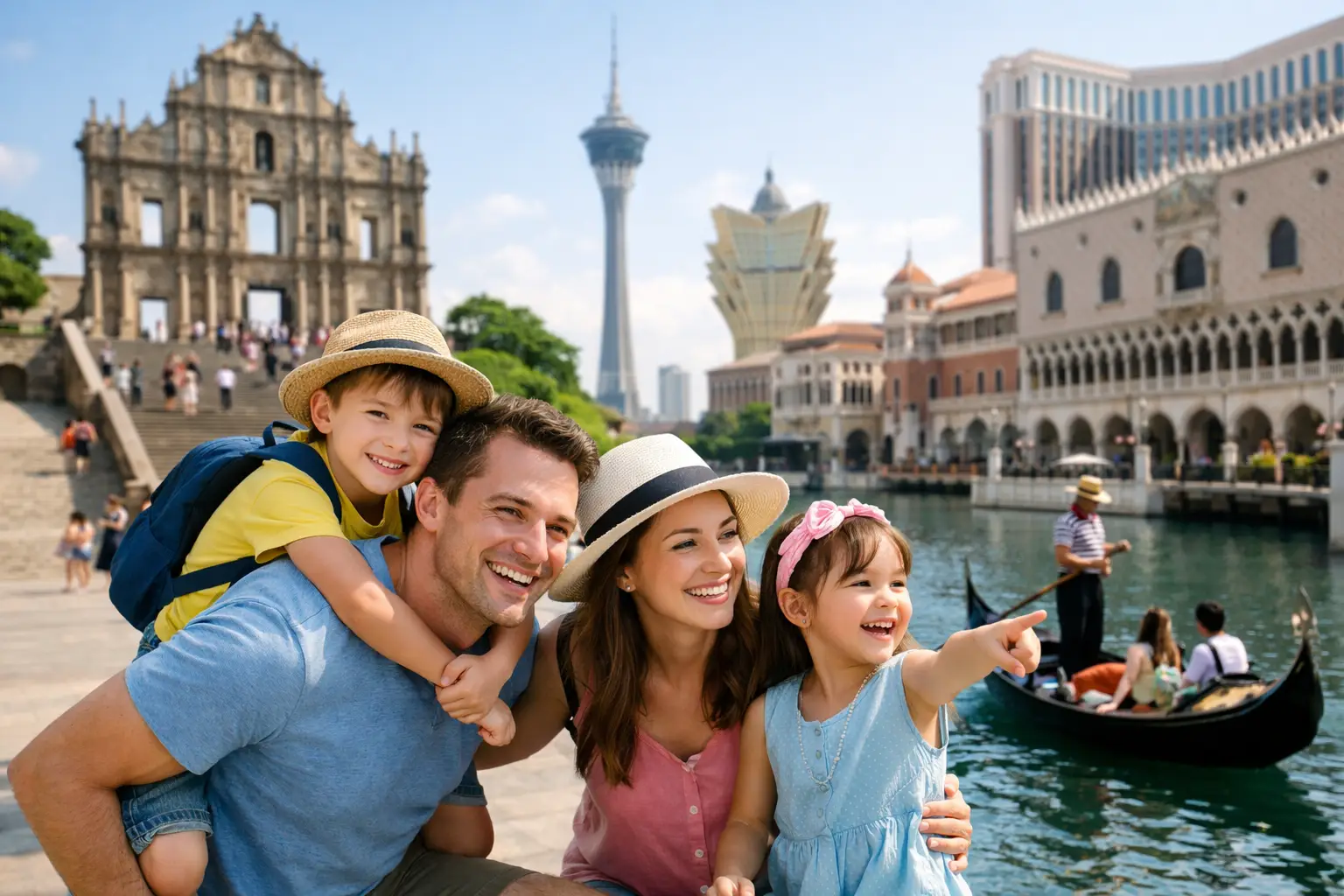
Cross into Macau with your luggage and spend the day between its historic center and its dramatic resort districts. Start around Senado Square, the Ruins of St. Paul’s, and nearby lanes where Portuguese and Chinese influences meet in architecture, street life, and food.
Macau is often associated with casinos, but it offers much more than gaming. Try Portuguese-influenced cuisine, visit A-Ma Temple, or choose a panoramic viewpoint over the peninsula. Families can focus on heritage sites, hotels with entertainment options, and child-friendly dining. Corporate groups may combine a short sightseeing program with meetings or an evening event.
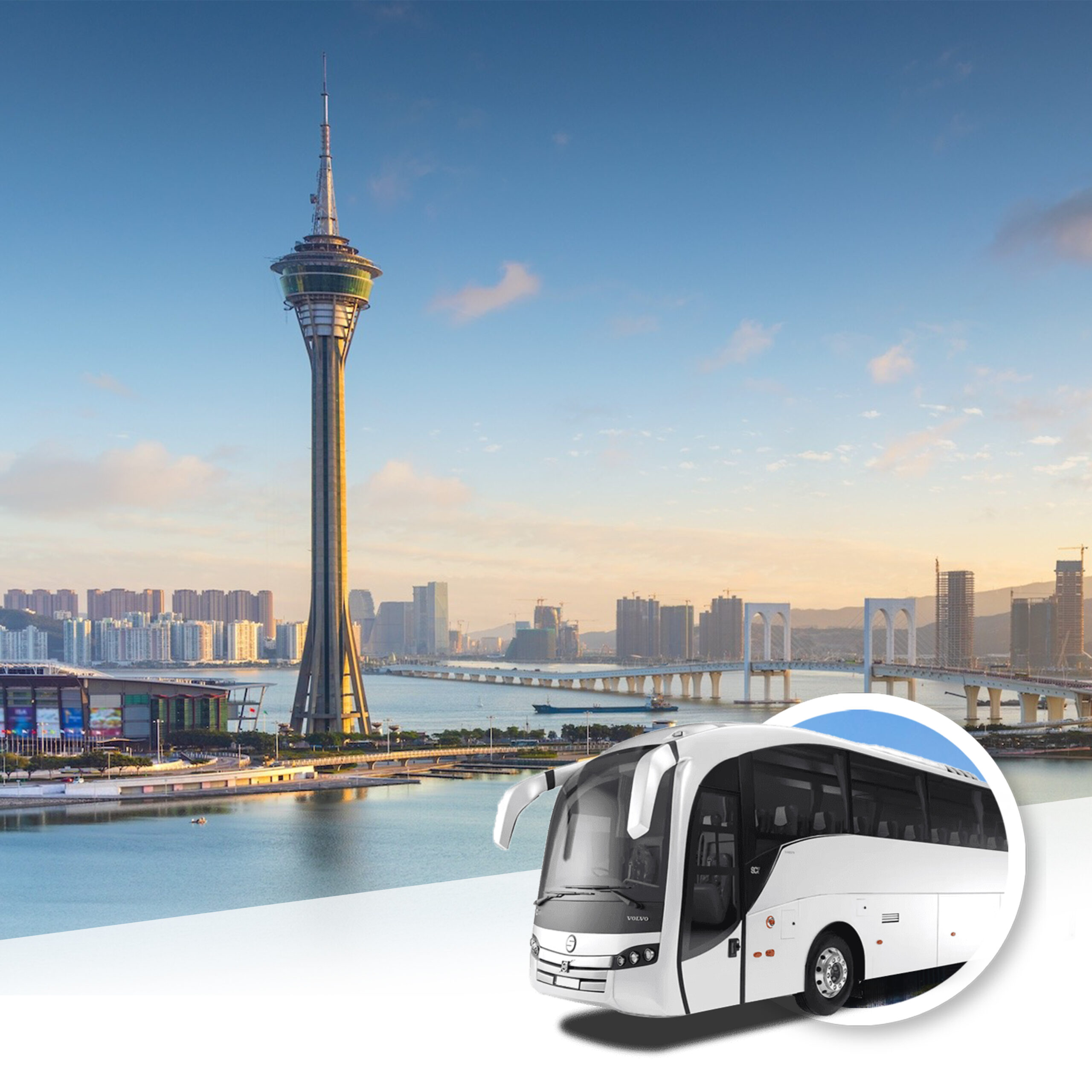
A private vehicle is especially useful in Macau for groups because the city has many stops that look close together but become inconvenient with luggage, heat, rain, or limited mobility. Keep the day flexible. Some guests want a full heritage walk; others prefer a few cultural highlights and a comfortable dinner.
Day 8: Macau Departure or Return to Hong Kong
Your final day depends on your onward flight. If departing from Macau, schedule a direct hotel-to-airport transfer with enough time for check-out and airport formalities. If flying from Hong Kong, arrange a cross-border transfer or ferry connection that fits your flight time and baggage needs.
Avoid planning major sightseeing on this day. Border processing and transport conditions are never the place to gamble with an international departure. A well-organized final transfer lets the trip end calmly, instead of with a rushed search for the right terminal.
Make the Route Fit Your Group
This route is a framework, not a fixed package. A family may add Disneyland or a Shenzhen theme park and remove one museum. Food lovers may spend an extra night in Guangzhou. Cruise passengers can build a shorter Hong Kong and Macau version around port times. Travelers with mobility considerations may prioritize private door-to-door service, fewer hotel changes, and attractions with easy vehicle access.
MyHKTour can organize private sightseeing, cross-border transportation, guides, and vehicle sizes that fit couples, families, and larger groups. The advantage is not simply having a car. It is having one coordinated plan for the days when hotels, borders, luggage, dining preferences, and sightseeing all need to work together.
The best multi-city trip leaves you with more than photos from different skylines. Leave enough space to taste a local dish slowly, watch the harbor change at night, and let each city show you its own character before the next road begins.