Hong Kong rewards travelers who arrive with a little structure. Within one day, you can move from a harbor skyline to a working neighborhood market, a mountain trail, a quiet fishing village, or a Cantonese dinner that becomes the highlight of the trip. For US travelers to Hong Kong, the main challenge is rarely finding things to do. It is making smart choices about timing, transport, payments, and pace so the experience feels exciting rather than rushed.
A private itinerary is especially useful when your trip includes children, older relatives, a cruise schedule, several hotel changes, or onward plans in Macau or mainland China. Hong Kong is efficient, but it is also dense, vertical, and full of decisions. Planning the right first steps gives you more room to enjoy its culture and story.
Before US Travelers to Hong Kong Depart
Start with the practical essentials. US passport holders should confirm their current entry requirements, passport validity, and permitted length of stay directly with official authorities before departure. Policies can change, and travelers with plans to continue to mainland China need to check those requirements separately. Entry to Hong Kong does not automatically cover entry to Shenzhen, Guangzhou, or other mainland destinations.
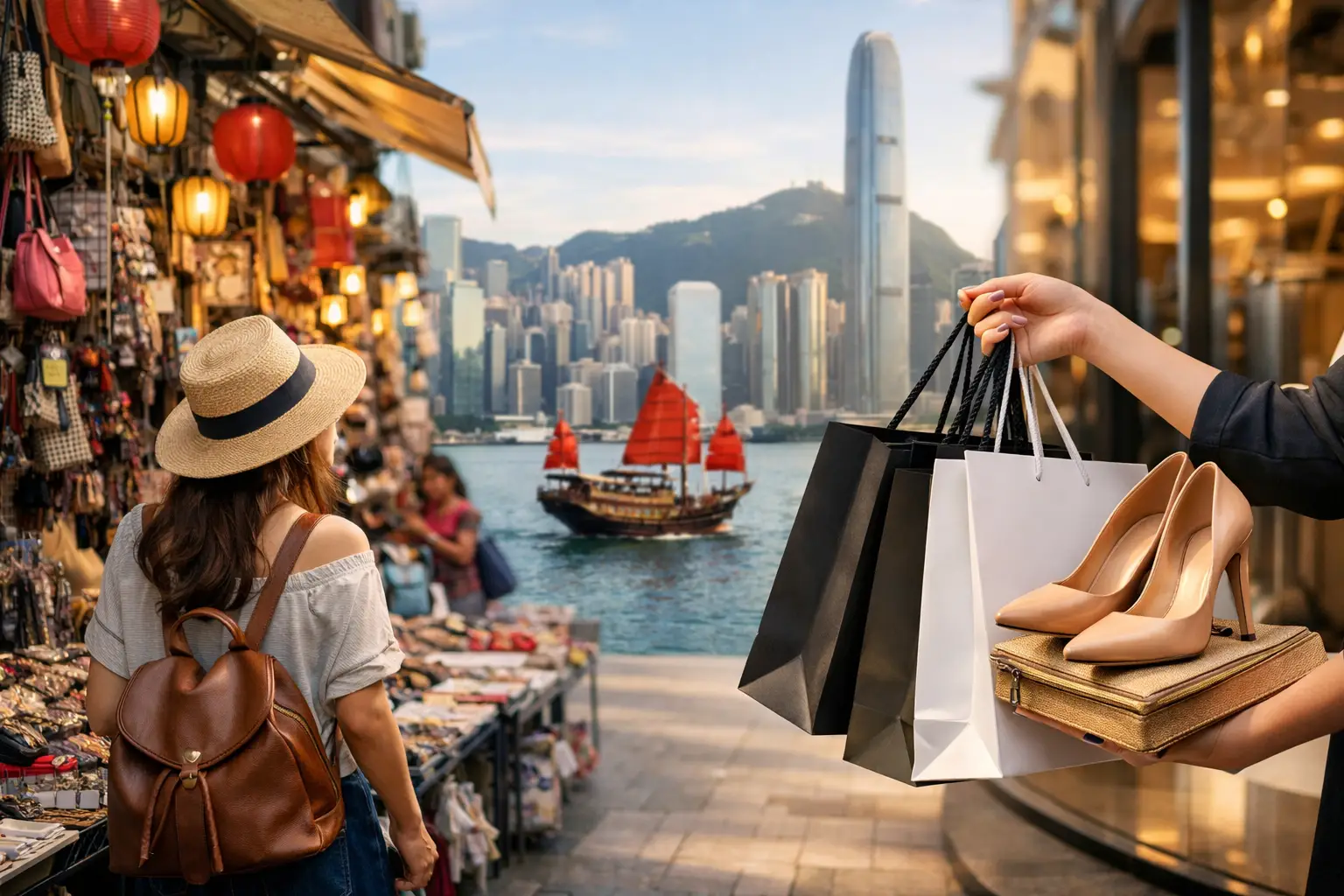
Book accommodations based on the kind of trip you want. Central, Admiralty, Wan Chai, and Tsim Sha Tsui place first-time visitors close to major sights, dining, and harbor views. Causeway Bay suits shoppers who enjoy a lively urban setting. Families often appreciate the relative breathing room around Kowloon Station or the convenience of staying near Disneyland when the park is a priority. Lantau Island can be a better fit for travelers seeking hiking, cultural sites, and a quieter start or finish to the trip.
Hong Kong’s weather deserves more attention than many visitors expect. Summers are hot, humid, and prone to heavy rain. Winters are generally mild but can feel cool indoors due to air conditioning and lighter heating. Spring can be misty, while fall is often favored for clearer skies and outdoor sightseeing. A light rain layer, comfortable walking shoes, and clothing that works for warm streets and cool indoor spaces are sensible year-round choices.
Money, Phones, and Everyday Comfort
Hong Kong uses the Hong Kong dollar, not US dollars or mainland Chinese yuan. Credit cards are widely accepted at hotels, larger restaurants, malls, and many attractions, but carrying some local cash remains helpful for smaller shops, markets, taxis, and casual food stalls. Digital payment is common, though visitors should not assume every payment app will work with an overseas account.
An Octopus card is one of the most convenient tools for independent travelers. It is commonly used for public transport and can also be accepted at many convenience stores and casual businesses. It saves time when using the MTR, buses, ferries, and trams. For a short, simple stay, it can make getting around feel much easier.
Reliable mobile data matters because Hong Kong’s addresses, towers, exits, and transit routes can be confusing to navigate in real time. Arrange an international plan, eSIM, or local SIM before relying on maps and messaging. Keep your hotel address saved in English and Chinese where possible. This is particularly helpful for taxi rides and for returning after an evening in a neighborhood away from the main tourist districts.
English is widely used in tourism, business, transit, and signage, so most US visitors can manage daily travel comfortably. Cantonese is the local spoken language, while written Chinese is common. A few polite greetings are appreciated, but you do not need to speak Cantonese to enjoy the city. What helps most is patience at busy transit stations and a clear plan for meeting points.
Getting Around Without Losing the Day
The MTR is fast, clean, and excellent for many point-to-point journeys. Ferries offer a memorable way to cross Victoria Harbour, and the Star Ferry is worth taking even when the MTR would be quicker. Taxis are practical for direct rides, especially when carrying luggage, but traffic can make them less efficient during busy periods.
The trade-off is that self-guided transport requires frequent route choices. A map may show two places close together, yet the walk could involve steep streets, pedestrian bridges, multiple building levels, or a lengthy underground connection. Travelers with limited time often underestimate how much energy these transitions use.
Private transportation can be a better value when several people are traveling together, when the itinerary includes multiple stops, or when you want to explore beyond the rail network. It is also a comfortable solution for airport arrivals, Disneyland transfers, cruise terminal pickup, and evening departures after sightseeing. Rather than returning to a hotel between activities, your group can keep luggage or shopping bags in the vehicle and continue the day at its natural pace.
For a first visit, avoid trying to cover Hong Kong Island, Kowloon, Lantau, and the New Territories in one day. Choose one or two connected areas and leave room for meals, views, and unexpected discoveries. A well-paced day often feels more memorable than a checklist with ten rushed photo stops.
Experiences Worth Building Around
Hong Kong’s best itineraries pair iconic views with places that reveal local life. Start with Victoria Peak or a harbor cruise for perspective, then move into a neighborhood such as Sheung Wan, Sham Shui Po, Mong Kok, or Tai O for a more grounded experience. The contrast is part of what makes the destination special.
Food is another reason to plan with care. Dim sum is a natural introduction, but there is much more to explore: roast meats, wonton noodles, clay pot rice, seafood, cha chaan teng comfort food, and regional Chinese cooking from across the area. Travelers with dietary needs should plan ahead, particularly during busy dining hours. Muslim-friendly, vegetarian, allergy-aware, and family-friendly dining can be arranged more easily when the day’s route is organized in advance.
Outdoor experiences are often overlooked by first-time visitors. Lantau offers the Tian Tan Buddha, Po Lin Monastery, cable car views, and hiking opportunities. Dragon’s Back and other coastal trails show a different side of Hong Kong, though heat, humidity, trail conditions, and fitness level should shape the plan. A private guide can be valuable for travelers who want a scenic day without worrying about trail access, return transport, or the best time to start.
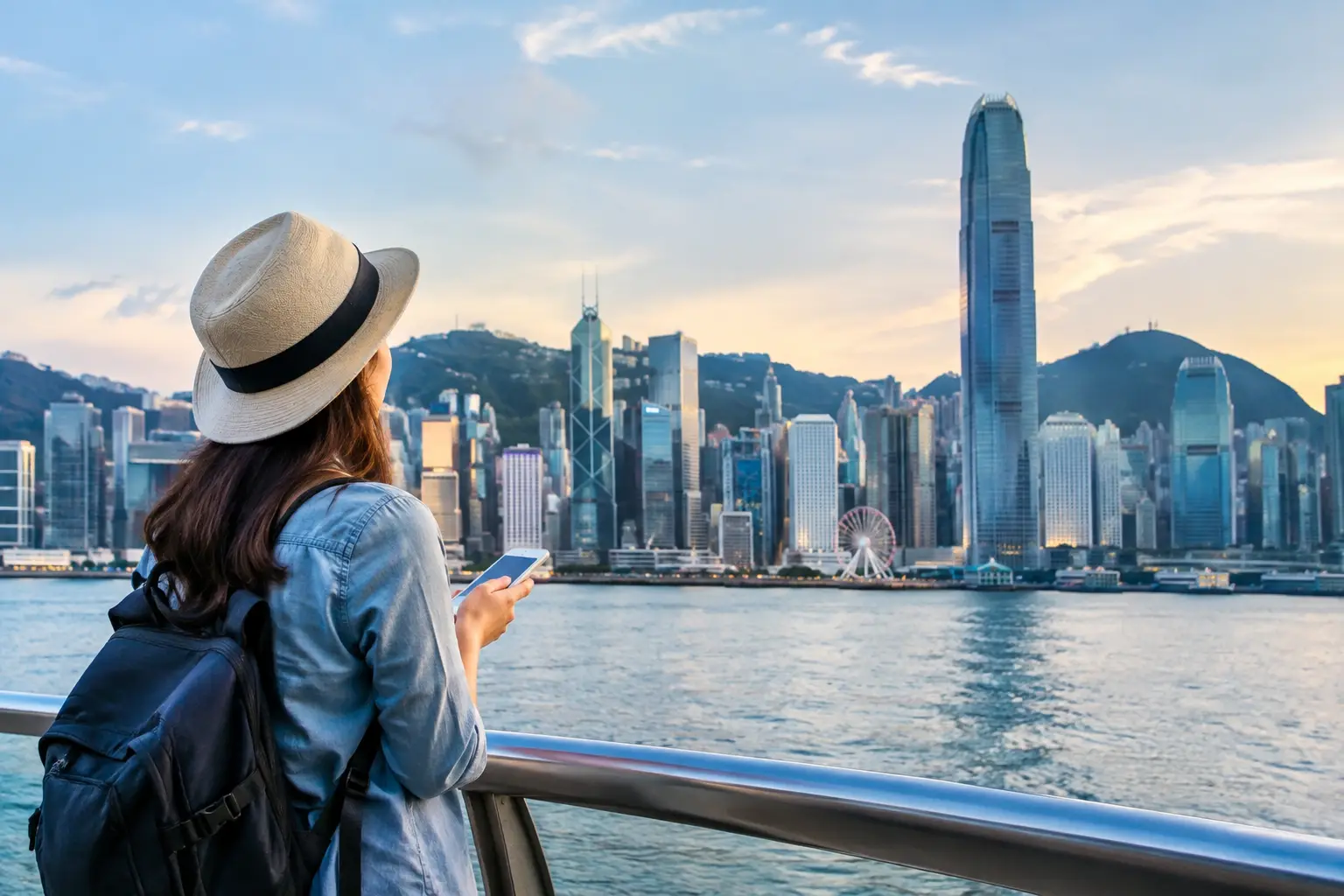
For photographers and cruise passengers, timing is everything. Early mornings offer lighter crowds at popular viewpoints, while late afternoon can be ideal for skyline images that transition into evening lights. If your ship departs the same day, build in a generous buffer. Hong Kong traffic and attraction queues do not always follow a fixed schedule.
Adding Macau or Mainland China to Your Trip
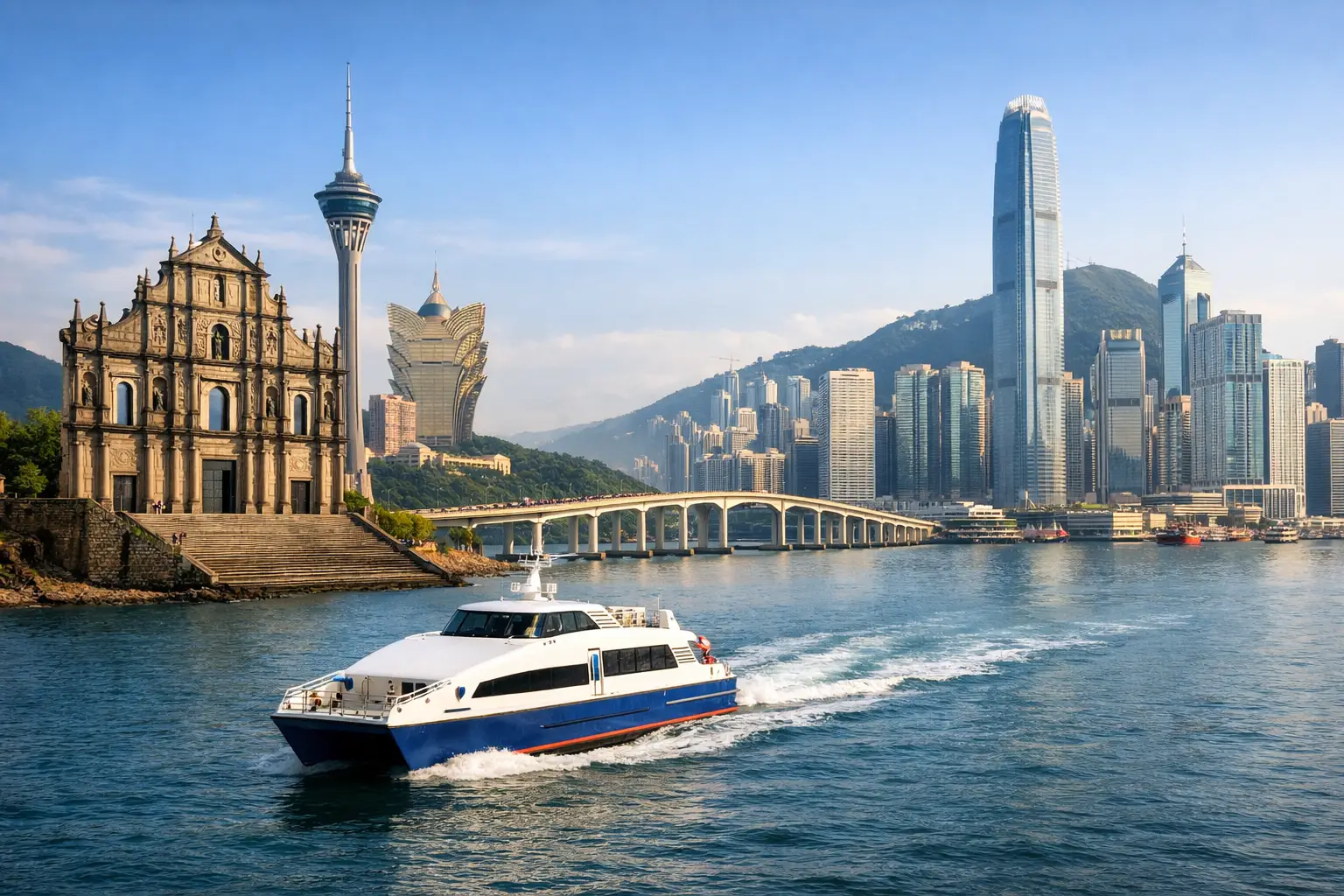
Hong Kong works well as a gateway to nearby destinations, but cross-border travel should be treated as a separate travel day or a carefully managed segment of a longer itinerary. Macau offers a distinct blend of Chinese and Portuguese heritage, historic streets, major resorts, and excellent dining. Shenzhen and Guangzhou provide a different view of the Greater Bay Area, from modern cityscapes to regional food and history.
The key consideration is documentation. Travelers going from Hong Kong into mainland China generally need the appropriate visa or travel authorization before arriving at the border, unless they qualify for a specific exemption. Requirements depend on nationality, itinerary, and current policy. Do not rely on a same-day assumption, especially if your travel involves a flight, cruise, or important reservation.
Transport logistics also vary. High-speed rail, private vehicle transfers, ferries, and border crossings each have different schedules, luggage considerations, and meeting procedures. For families, groups, and travelers with only a few days in the region, door-to-door planning can prevent a cross-border day from becoming an exercise in lines and missed connections.
When a Private Tour Makes Sense for US Travelers to Hong Kong
Independent travel is a good option if you enjoy transit, have flexible time, and plan to stay mostly within central areas. A private tour becomes more compelling when comfort, efficiency, and local context matter as much as the destinations themselves.
It is particularly useful for a first-day orientation, a full-day Lantau excursion, a customized foodie route, a family sightseeing day, or a multi-city itinerary with transportation included. Instead of adapting your plans to a group tour’s pickup points and fixed stops, you can decide what deserves more time. Maybe that means lingering over lunch, skipping a crowded attraction, adding a photo stop, or returning to the hotel before dinner.
MyHKTour can arrange private vehicles, local guides, airport transfers, and customized routes for travelers who prefer one coordinated plan. The best itinerary is not necessarily the busiest one. It is the one that fits your group, your interests, and the time you actually have.
Leave room for Hong Kong to surprise you. Set the practical pieces in place, then allow a ferry ride, a neighborhood bakery, a hillside view, or a long lunch to change the shape of the day.